



Virtual pets aren’t a new concept. The Tamagotchi craze of 1997 proved we were already obsessed with digital creatures. Then came Neopets. Two British students launched the site in 1999. They combined the urge to care for a fictional animal with the satisfaction of solving puzzles. The result was rapid growth.
The site didn’t just host games. It wove marketing campaigns and advertisements directly into the character interactions. This strategy allowed Neopets to turn a profit early on. It was a business model that worked.
But the site has always had critics. Some argued the marketing tactics were harmful to children. Others looked at the CEO’s background. He had ties to Scientology. Many believed the platform was a Trojan horse for the Church of Scientology.
We are looking behind the curtain now. We will examine who created Neopets and who owns it. We will also look at the controversies that have followed the site since day one.
Neopets Basics

How Neopets Actually Works for New Users
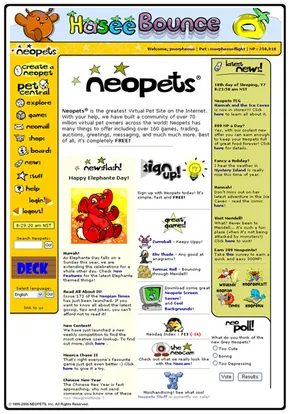
If you’re confused about the point of Neopets, here is the breakdown. It is a website where you build a virtual pet. Signing up costs nothing. The site survives on ad revenue and marketing deals, a model that will get a deeper dive later.
Each account allows up to four pets. You have 53 species to pick from. Most are based on real animals. Some are pure fantasy.
Caring for one is basic. Feed it every few days. That is the minimum. You can also boost intelligence by reading books to them. Items come from shops or games.
The currency is Neopoints. You earn them to buy cheeseburgers for 200 points. Rare items cost tens of thousands. You get items from games or random events.
Where to Find Neopoints
There are three main ways to earn Neopoints.
-
Playing games – There are over 140 games. Some are simple memory tests. Others are complex 3D action games. You need skill, dexterity, or math skills. Vocabulary helps too.
-
Marketing surveys – Fill them out. Sign up with affiliates.
-
Selling items – Use the shop or auction systems.

Storylines aren’t just flavor text. They shape the world. The creative team behind Neopets builds these arcs carefully. Players influence them. You play a game. You solve a puzzle. The outcome changes everything.
A new area might appear. A villain might finally leave Neopia for good. Think back to the Tyrannian Battledome. Monsters invaded Tyrannia. Players had to fight them off. That wasn’t optional. It was required to shift the narrative.
This interactivity is key. It’s why Neopets remains one of the stickiest sites on the web. Users don’t just visit. They stay. They invest.
The Sticky Factor
Why do people keep coming back? It’s the community-driven storytelling. Each choice matters. Each battle has consequences. You aren’t watching a movie. You’re living it.
The site’s design encourages this. Daily login bonuses. Limited-time events. Quests that tie into larger plots. You can’t ignore it. You want to be part of the story.
This engagement translates to loyalty. Users spend hours managing their Neopets. Trading items. Customizing avatars. Solving the latest puzzle. The site doesn’t just hold attention. It demands it.
Licensing and Beyond
Neopets didn’t stay confined to the browser. The brand expanded. Licensing deals brought Neopets into other media. Books. Merchandise. Events.
The characters became recognizable. Neopets appeared on T-shirts. In magazines. On streaming platforms. The IP grew beyond its digital roots.
This expansion reinforced the core experience. Even outside the site, fans engage with the lore. They discuss theories. They share fan art. The stickiness extends offline.
Where did Neopets appear next? The licensing strategy opened doors. Collaborations with other brands. Cross-promotions. Each appearance kept the brand relevant.
The story continues to evolve. New areas emerge. Old villains return. The community drives it all. You can’t step away for long.

Neopets claims to be one of the most “sticky” sites on the web. The numbers back it up. Users spend an average of six hours and 42 minutes a month there. That is not a casual browse. That is a habit. How do they build such intense loyalty?
The site masters several methods of engagement simultaneously. It does not rely on a single trick. It builds a ecosystem.
The Illusion of Infinite Content
The first hook is volume. It feels like there are a million things to do. You never run out.
This is not accidental. The team adds new games almost daily. They introduce new contests. They invent new creatures. They shift storylines. If you log off for a week, you miss out. The fear of missing out drives the return rate. Users keep coming back simply to see what changed.
Building a Digital Tribe
Beyond the games, there is the community. This is where the time really accumulates.
Neomail allows private messaging. Neofriends lists create social graphs. The message boards host endless discussions. People spend hours talking to friends. They make new ones. The site becomes a social hub, not just a game hub.
The Reward Loop
Then there is the economy. Neopets rewards time.
You return. You spend time. You get Neopoints. You get items. There is no “game over.” There is no final boss that ends the progression. You just accumulate more. The goalposts move. The accumulation itself becomes the point.
Recruitment amplifies this. The referral program rewards users for bringing others in. It turns players into marketers.
Extending the Universe
The brand did not stop at the browser. They licensed their IP aggressively.
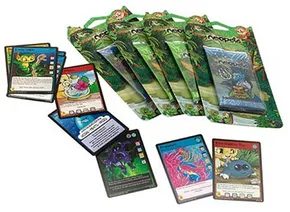
Wizards of the Coast produced the Neopets Collectible Card Game. It fits with their Magic: The Gathering pedigree. Players build decks. Each deck is unique based on what cards are pulled. Rarity matters. The goal is arena battles. Defeat your opponent’s Neopets. Use items. Use weapons.
Each pack includes a code. Enter it on the site. Get special items. This bridges the physical and digital worlds.
Thinkway Toys handled the merchandise. They made 6-inch action figures. They made plush versions. The characters became tangible.
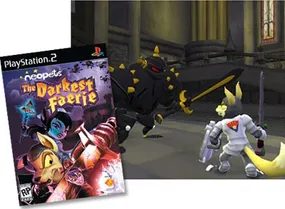
In 2004, Sony Software Entertainment released Neopets: The Darkest Faerie for PlayStation 2. It was an adventure game. Players controlled two Neopets. They went on a quest. The enemy was the Darkest Faerie. The digital creatures had to work in the real world too.
The strategy worked. The site became a lifestyle. Not a game. A lifestyle. And the cycle continues.

The Big Screen Dream
The loudest rumor swirling around Neopets isn’t about new pets or seasonal events. It’s about a feature-length film. Slated for a 2006 release, this Neopets movie would be fully computer-animated. John A. Davis is attached to direct. You know his work from Jimmy Neutron: Boy Genius. The studio backing it is Warner Bros. They have a multi-picture deal with the site, which means this isn’t a one-off experiment. If the first one lands, more Neopets movies are likely in the pipeline.
Who Actually Owns Neopets?
Before you dive into the economics, you need to understand the structure. How did a simple pet-collecting site become a corporate entity? The creation of the site and its current ownership model are key to understanding why it feels the way it does.
Neopets Premium Explained
The core site remains free. That’s not changing anytime soon. But the company is rolling out a paid tier. It’s called Neopets Premium. The cost is $7.99 a month. Why would anyone pay that?
The perks are specific. You get special message boards. You get a customizable portal page, similar to My Yahoo. The site becomes ad-free. You also get a Neopets Web mail address. The marketplace search function improves significantly.
Then there are the gameplay advantages. Premium users have better odds for finding rare items. Earning Neopoints gets a slight edge. It’s not a pay-to-win system in the traditional sense, but it’s definitely a pay-to-save-time system.
Behind the Scenes
The mechanics of the site are complex. The backend handles millions of transactions. The economy is fragile. One wrong move by the developers can crash a specific item’s value. How do they prevent inflation? How do they balance the economy? These are the questions that keep the developers up at night. The site isn’t just a game. It’s a digital economy. And it’s growing.
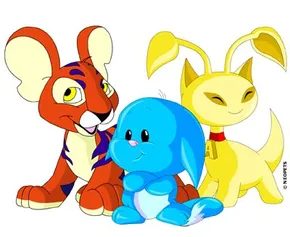

Neopets didn’t begin as a global juggernaut. It started in 1999 as a scrappy side project by Adam Powell and Donna Williams, two British college students. Powell handled the code. Williams drew the pets and built the visual world. They weren’t aiming for mass appeal right away. Their initial goal was simpler: entertain other students.
So they packed the site with inside jokes and Britishisms. Those quirks didn’t disappear when the site blew up. You can still see them today. The site sticks to British spellings. “Grey” instead of “gray” remains standard. It’s a small detail. It keeps the original flavor alive.
But the creators couldn’t keep up with the traffic. They were overwhelmed. So they sold the project to market research expert Doug Dohring. He kept Powell and Williams on board. He moved the headquarters to Southern California. Dohring had bigger plans. He wanted to turn Neopets into a media empire.
The $160 Million Deal
The vision paid off. In June 2005, Dohring sold Neopets to MTV. MTV was then a division of Viacom. The price tag? $160 million. Dohring stayed with the company through the transition.
By that June date, Neopets reported 92 million accounts. That number looks huge. But many users had multiple accounts. Adjust for that, and you get roughly 30 million unique users. The demographic split was striking for an online gaming platform.
Children under 13 made up 39 percent of the user base. Another 40 percent were teens aged 13 to 17. The remaining 21 percent were adults over 18. Then there’s the gender breakdown. 57 percent of users were female. That’s high. Especially compared to the traditionally male-dominated online gaming market at the time.
Why This Matters for Long-Tail SEO
People still search for how Neopets started and who owns Neopets now. The history of Adam Powell and Donna Williams is a key part of that narrative. Users also look for Neopets ownership history and details on Viacom’s acquisition of Neopets.
The 92 million accounts milestone is often cited in discussions about early 2000s online games. The demographic data regarding Neopets user age and gender helps explain why the platform resonated so strongly with young girls. This specific audience segment drove much of the site’s early culture.
The Legacy of the MTV Era
The sale to MTV marked a shift. Neopets moved from a hobbyist project to a corporate asset. Dohring’s push for a media empire set the stage for future changes. The community grew. The pets evolved. The economy within the game became complex.
Yet, the core appeal remained. Kids wanted pets. They wanted to decorate their gardens. They wanted to compete in battles. The corporate structure didn’t change that basic loop. It just changed who collected the money.
The unique user count of 30 million was impressive. But the engagement was even more so. People came back daily. They checked their Neohomes. They traded items. They argued over prices.
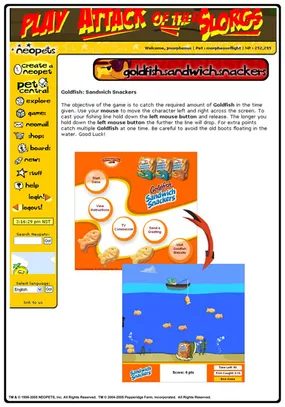
Let’s talk about the money behind the pixelated pets. Neopets didn’t just survive on goodwill and free time. It turned user engagement into cold, hard profit through what executive Dohring called Immersion advertising. Think of it as product placement for the internet age. You aren’t just playing a game. You’re being sold to, but the sales pitch is wrapped in a trivia challenge.
The line between entertainment and marketing was blurred until it vanished. Want to feed your Neopet? You could buy McDonald’s food for it. Need a snack? There was a Pepperidge Farm game. A taxi mini-game used an image of a specific kids’ cell phone to send messages, sponsored directly by the manufacturer. These weren’t intrusive banners. They were gameplay mechanics.
Retail sales padded the revenue stream too. Neopets pushed its own merchandise. Collectible card games. Action figures. Plush toys. Even a PlayStation title. The brand stretched across every screen and shelf it could find.
But the real goldmine wasn’t the toys. It was the data.
Neopets held a massive research database on children twelve and under. This is a demographic that is notoriously difficult for marketers to access. The Children’s Online Privacy Protection Act (COPPA) restricts data collection. Companies need parental permission to touch user info. Most sites avoid it entirely. Neopets walked right through the open door.
The company claimed over 50,000 kids in its marketing database by the early 2000s. They didn’t sell personal identities. They sold market research. They traded on what their press kit described as “unparalleled access to young people.” Other companies paid for insights. Neopets monetized its own audience.
The infrastructure supporting this machine was surprisingly robust. As of January 2006, Neopets ran on 300 Linux-based servers. Those servers pumped out 1.7 gigabits of bandwidth every single day. That’s a lot of data moving fast.
It worked. Until it didn’t.
Trouble in Neopia
The growth was impressive. The revenue was real. But the foundation had cracks. The next phase of the story involves the problems that inevitably catch up with any platform that scales that fast.


Moderators don’t just watch the walls. Neopets battles a steady stream of trolls, scammers, and cheaters. Their playbook is simple. Educate users. Freeze bad accounts. The Wall of Shame lists common frauds. Self-appointed “Newbie Guardians” try to shield fresh players from pitfalls.
Why Neopets Freezes Accounts
Account freezing is the ultimate punishment in Neopia. The site bans almost any suspicious behavior permanently. Users can start over. But they lose everything. All Neopoints. Items. Benefits. Gone.
Longtime players panic. They’ve invested years. The fear is real. Freezes sometimes feel arbitrary. Users break rules without meaning to. Bugs make it worse.
Consider daily events. Players visit a page once to grab a rare item. A bug appeared. It let users collect the item multiple times. Players who exploited it got banned. Even if they didn’t know it was a bug. Even if they just forgot they already claimed it.
How to Avoid Neopets Phishing Scams
Neopets scams mirror standard Internet phishing. Attackers don’t want bank numbers. They want passwords. They want email addresses.
The scams take many forms. The defense is one rule. Never give your password to anyone. Ever. For any reason.
Children’s Advertising and Gambling Concerns
Parents worry. Consumer advocates worry. Neopets markets directly to kids. Children might not see the line between a game and an ad.
Immersive Advertising places corporate games right next to unsponsored ones. Neopets added a disclaimer. “This Page Contains Paid Advertisements.” It sits near the bottom of pages. But it’s on almost every page. It doesn’t help kids distinguish ads from content.
Gambling games caused a flap. Parents complained kids were learning casino mechanics. Neopets responded. Accounts for users under 13 are blocked from gambling-themed games.
There is no verification process. A child under 13 can create an account. They can claim to be 18. No one checks.
Is Neopets Safe for Kids?
Neopets says safety is a priority. Monitors watch chat rooms and message boards. They operate 24/7. They remove offensive language. They prevent kids from posting personal info. They stop online predators.
The site follows Children’s Advertising Review Unit (CARU) guidelines.
The World of Neopia
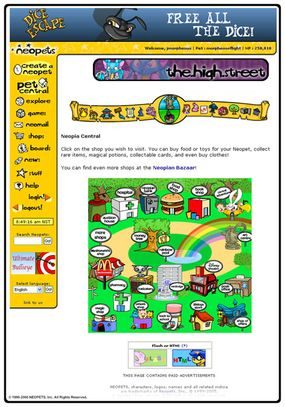
Neopia is a fantasy world. Neopets populate it. Good and evil characters exist. The world has several areas. Each area has characteristics.
Players click areas on the Neopian World Map. Links lead to games. Shops. Other areas.
Neopets and Scientology



The Scientology Connection Behind Neopets
The link between Neopets and the Church of Scientology isn’t just a rumor. It’s documented. CEO Doug Dohring has deep roots in the organization. His name appears on the Hubbard College of Administration website. He is listed as a practitioner of “Administrative Technology” created by L. Ron Hubbard. This isn’t a minor detail. Dohring has received awards for donating over $250,000 to Scientology-related causes.
“Having used his [Hubbard’s] technology in every business activity for nearly two decades now, Mr. Hubbard’s organizational concepts are always with me to the point where virtually every aspect of running my companies involves the use of his administrative technology”
He confirmed this in a Wired interview. He called Hubbard’s management style “very powerful.” It is not subtle. The influence is explicit.
What Is the Org Board?
So, what are these administrative principles? They stem from the Org Board. Short for organizing board. This system splits a company into seven divisions. Executive. Personnel. Sales. Finance. Training. Marketing. Qualifications. Each division has three subdivisions.
Hubbard developed this structure in 1965. On the Church’s website, it sounds like a standard corporate hierarchy. But in a 1965 lecture, Hubbard said something different. He claimed the Org Board had been used by a galactic civilization for 80 trillion years. It was an improvement on an existing cosmic system.
“He created a management technology that’s very powerful.” — Doug Dohring, Wired magazine
Unsubstantiated Rumors
No one has claimed Scientology practices exist on the Neopets website itself. The code is clean of the religion. But rumors persist. Employees are allegedly encouraged to convert. These claims remain unsubstantiated. They linger in the background of the site’s history.
Growth Shows No Signs of Stopping
Despite the controversies, Neopets is growing. The numbers are staggering. As of February 2006, the site claimed over 100 million users. That is 150 million individual pets. The user base is massive.
The company is looking for new revenue streams. They are moving into cell phone ring tones and wallpapers. It is a lucrative market. Virtual pets on mobile devices. It makes sense. The addiction was real. The money followed.
For more information about Neopets.com, check out the links on the next page.
Lots More Information
Related HowStuffWorks Articles
-
How Web Pages Work
-
How Product Placement Works
-
How Marketing Plans Work
-
How Creating an Online Business Works
-
How Ad Slogans Work
-
How Phishing Works
More Great Links
-
Neopets
-
Neopets Trading Card Game
-
It’s a Whole Neo World
-
The Neopets Addiction
Sources
-
Boese, Christine. “NeoPets invade the Internet world.” CNN, January 7, 2003. http://www.cnn.com/2003/SHOWBIZ/01/06/hln.hot.buzz.neopets/
-
Digital Lightwave: People http://www.digl-watch.com/people.shtml
-
The Hubbard Management System http://www.hubbardcollege.org/mgmtsystem/use_dougdohring.html
-
“Inside the Cult of Neopets.” Kotaku, December 8, 2005. http://www.kotaku.com/gaming/neo-pets/inside-the-cult-of-neopets-141826.php
-
Kasavin, Greg. “Neopets: The Darkest Faerie Hands-On.” GameSpot, Apr 29, 2005. http://www.gamespot.com/ps2/adventure/neopets/preview_6123355.html
-
Kushner, David. “The Neopets Addiction.” Wired, December 2005. http://www.wired.com/wired/archive/13.12/neopets.html?pg=1&topic=neopets&topic_set=(none)
-
Neopets Corporate Fact Sheet http://info.neopets.com/presskit/compinfo.html
-
“Neopets partners with Equinix to enhance performance of popular web site.” Equinix, July 14, 2004. http://www.equinix.com/press/press/2004/07_14_04c.htm
-
Neopets Press Kit FAQ http://info.neopets.com/presskit/faqs.html
-
Olsen, Stefanie. “NeoPets goes Hollywood.” News.com, March 24, 2005. http://news.com.com/NeoPets+goes+Hollywood/2100-1026_3-5635393.html
-
Pace, Gina. “Kids and Neopets: Who’s Getting Fed?” CBSNews.com, February 9, 2006. http://www.cbsnews.com/stories/2006/02/07/national/main1293944.shtml
-
Results and Application: World Institute of Scientology Enterprises http://www.wise.org/en_US/l-ron-hubbard/results/pg001.html
-
Sappell, Joel and Welkos, Robert W. “The “Org Board”: Hubbard’s Plan for Improving on “80 Trillion Years” of Management.” New York Times (Scientology series), 27 June 1990. http://www.cs.cmu.edu/~dst/Library/Shelf/la90/la90-4c.html
-
The Seven-Division Org Board http://www.whatisscientology.org/html/part06/chp20/pg0372-a.html
-
Sharma, Dinesh C. “MTV acquires virtual critter site NeoPets.” News.com, June 20, 2005. http://news.com.com/MTV+acquires+virtual+critter+site+NeoPets/2100-1030_3-5753858.html?tag=st.ref.goo
-
Structure of Scientology Churches: Building the Bridge http://www.churchofscientology.org/page002.htm
-
Terdiman, Daniel. “Trading on the ‘Neodaq’.” News.com, October 7, 2005. http://news.com.com/Trading+on+the+Neodaq/2100-1043_3-589259.html?tag=st.ref.goo