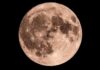
Tonight is dark. Well, for the Moon it is. We are staring down a New Moon. It happens on Saturday, May 16. That means the current cycle just finished. Over.
NASA says 1% of the disk will be lit. Just one percent. You won’t see anything. The surface features are hiding. The angle of sunlight makes it vanish against the black sky. It is effectively invisible to the naked eye.
When do we get the light back? Patience.
May is weird. Two Full Moons this month. The next big bright one drops on May 31. Until then, wait.
What causes the phases anyway
The Moon orbits Earth every 29.5 days. That’s the number to remember. Eight phases in that loop. We only see one face, obviously, but the sun changes the view as it spins. Shadows play tricks.
Here is how the cycle breaks down:
- New Moon : The Moon sits between us and the sun. We see the dark side. Nothing there.
- Waxing Crescent : A tiny sliver of light peeks out. Right side for us in the Northern Hemisphere.
- First Quarter : Half lit. Right side bright. Looks like a half-circle.
- Waxing Gibbous : Growing bigger. More than half is light, but not full yet. Getting there.
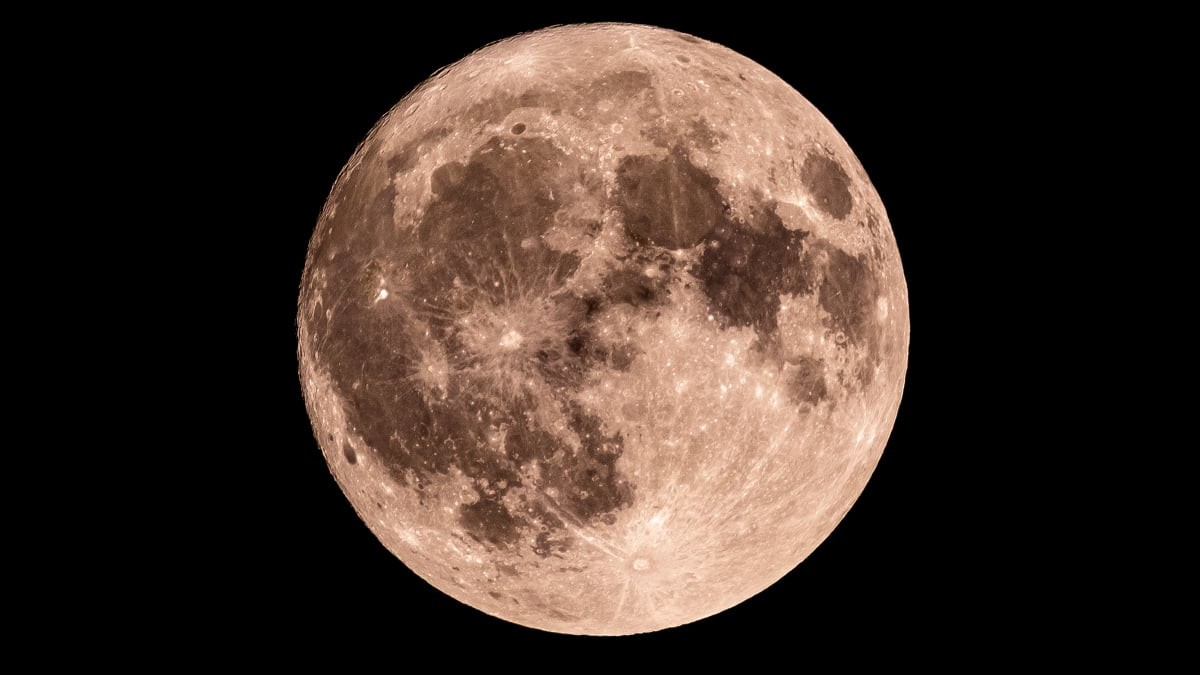
- Full Moon : All lit. The whole face shows up.
- Waning Gibbous : The light starts fading. Right side dims first. (If you’re in the Northern Hemisphere).
- Third Quarter : The left half is lit. It’s a mirror of the first quarter.
- Waning Crescent : A thin thread of light on the left. Then darkness takes it all back again.
Does the shadow actually move across the face? No. It’s the angle. That’s all. Just geometry in the void. 🌑