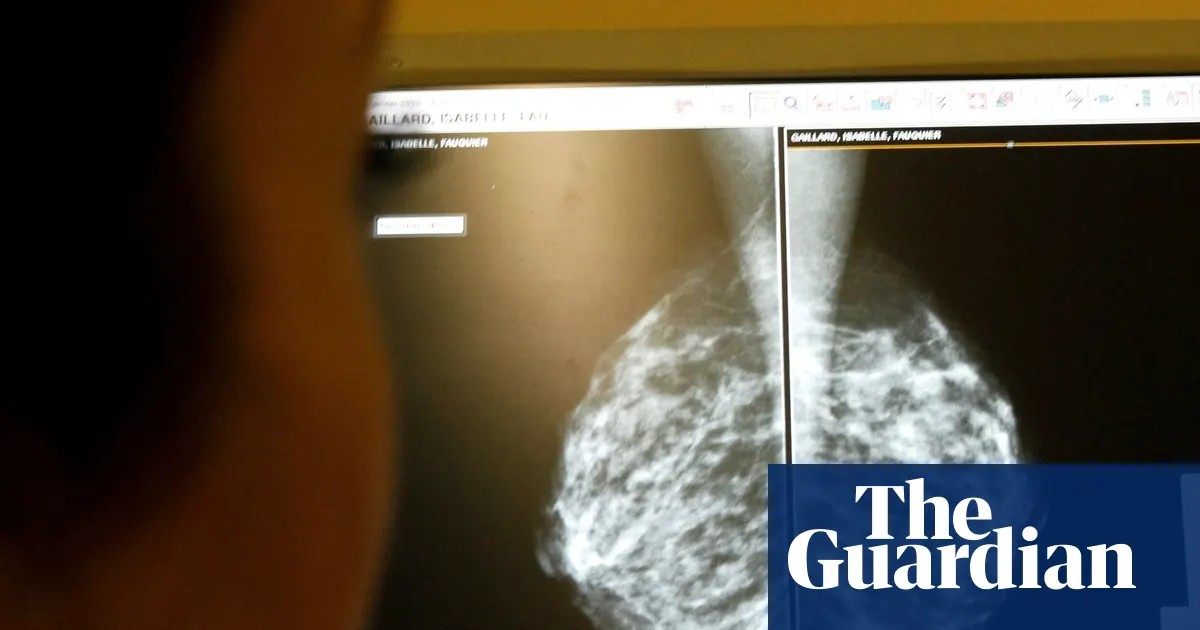
Artificial intelligence applied to breast cancer screening has been shown to reduce late-stage diagnoses by 12%, marking a significant advancement in early detection rates, according to the largest trial of its kind. The findings, published in The Lancet, suggest AI can improve the efficiency and accuracy of mammography screening without replacing human oversight.
How the Study Worked
The Swedish research team randomly assigned 100,000 women undergoing routine mammography between April 2021 and December 2022 to either AI-assisted screening or standard review by two radiologists. The AI system analyzed mammograms, categorizing cases as low- or high-risk to optimize radiologist workload. Suspicious findings were flagged for review, providing additional support to clinicians.
Key Findings: Fewer Late-Stage Diagnoses
The study revealed a 12% reduction in cancer diagnoses in subsequent years among the AI-assisted group. Specifically, 1.55 cancers were detected per 1,000 women with AI support, compared to 1.76 in the control group. More importantly, 81% of cancers were identified during the initial screening in the AI group, up from 74% in the control. The AI also helped detect almost a third (27%) fewer aggressive cancer subtypes.
Why This Matters: The Pressure on Radiologists
Breast cancer is the leading cause of cancer death for women aged 35 to 50, with over 2 million new cases diagnosed globally each year. Radiologists are under increasing pressure due to rising case volumes and staffing shortages. AI can help alleviate this burden by prioritizing cases and highlighting potential anomalies, allowing for faster and more accurate reviews.
Cautious Optimism: AI as a Tool, Not a Replacement
Researchers emphasize that AI should support rather than replace healthcare professionals. At least one radiologist must still review all screenings, ensuring human expertise remains central to the process. Dr. Kristina Lång, lead author from Lund University, cautions that widespread implementation requires careful monitoring and data collection to ensure consistent performance across different healthcare systems.
Future Implications: UK Trials Underway
Cancer Research UK and Breast Cancer Now have hailed the findings as promising, but urge further evaluation before widespread adoption. The NHS launched trials last year to explore AI integration into its breast screening program, with the goal of determining the safest and most effective ways to leverage the technology.
“This first trial underlines the huge potential of AI to support radiologists in breast cancer screening,” says Simon Vincent of Breast Cancer Now. “Screening is a vital tool for early detection, and the sooner the disease is found, the better chance of successful treatment.”
The study demonstrates that AI can enhance breast cancer screening, but sustained research and careful implementation are essential to maximize its benefits while safeguarding patient safety.