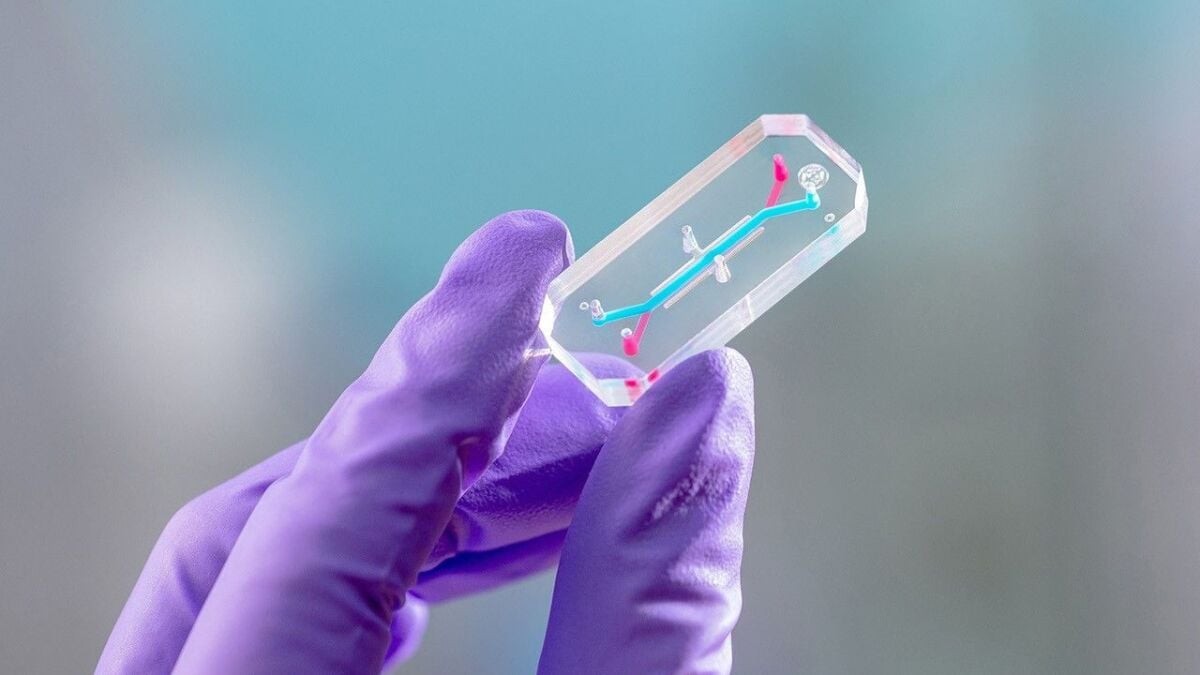
NASA’s upcoming Artemis 2 mission isn’t just about sending four astronauts around the moon; it’s also about taking miniature, lab-grown versions of them along for the ride. This unprecedented experiment, dubbed AVATAR (A Virtual Astronaut Tissue Analog Response), will see crew-matched tissue samples exposed to the same deep-space radiation and weightlessness as the astronauts themselves. The goal? To understand how living human cells react to the harsh realities of space travel – a crucial step toward longer, more ambitious missions.
The Biological Payload
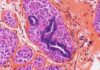
Alongside commander Reid Wiseman, Victor Glover, Christina Koch, and Jeremy Hansen, will fly samples grown from each crew member’s own cells. These “avatars” – housed in thumb-drive-sized chips – will primarily focus on bone marrow, a key component of the immune system. Scientists will draw blood before launch (currently slated for March 6th), cultivate cells, and expose them to the same conditions as the astronauts during the 10-day flight. This isn’t merely academic; the data could directly inform future astronaut health protocols.
Why This Matters
The Artemis 2 mission marks the first crewed flight beyond low-Earth orbit since the Apollo program, and the first to prioritize biomedical research at this level. The Orion spacecraft will travel beyond Earth’s protective magnetic field, exposing both astronauts and their cellular proxies to significantly higher radiation levels than those on the International Space Station. This is a critical learning opportunity: interplanetary travel demands understanding how to mitigate these risks.
Tracking the Human Factor
Beyond the AVATAR experiment, the Artemis 2 crew will participate in a series of other studies designed to monitor their health in real-time. The Immune Biomarkers investigation will track how deep space impacts immune function, building on previous research showing that spaceflight weakens immune responses and can reactivate dormant viruses. Astronauts will collect saliva samples by licking treated paper strips, a low-tech but effective way to monitor immune biomarkers given Orion’s lack of refrigeration.
Confined Spaces, Complex Data
The Orion capsule is cramped, forcing researchers to adapt. The Archer study will use wrist-worn trackers (similar to Fitbits) to monitor sleep, activity, and cognitive performance. The Spaceflight Standard Measures program will collect blood, urine, and saliva before and after the mission, along with tests of balance, strength, and endurance. The crew will even complete a simulated spacewalk shortly after landing to assess their physical recovery. These tests are essential: if NASA plans to send humans to Mars, they need to know how quickly astronauts can rebound from extreme conditions.
Radiation: The Unknown Variable
Radiation remains a major obstacle to long-duration space travel. Unlike low-Earth orbit, Artemis 2 will venture into a more hostile environment. Astronauts will carry personal radiation sensors, and cabin-mounted detectors will track exposure levels. The AVATAR chips will also play a role, allowing scientists to analyze how gene activity changes in cells exposed to deep-space radiation. This data could lead to personalized health kits designed to protect astronauts on future missions.
“This will be very important for building our understanding of the stresses of Artemis II, but also for establishing a sustained presence on the moon and eventually Mars,” said Mark Clampin, NASA’s deputy associate administrator for science.
The Artemis 2 mission represents a turning point: biomedical research is no longer an afterthought, but a core objective. The data gathered from astronauts and their cellular counterparts will be critical for ensuring the safety and success of future space exploration.