NASA’s Artemis 2 mission, the first crewed flight to lunar orbit in over 50 years, is now at the launch pad and entering the critical final stages of preparation. The mission, scheduled for February 6th, will carry four astronauts – Reid Williams, Victor Glover, Christina Koch, and Jeremy Hansen – on a ten-day journey around the Moon.
From Assembly to Ignition: What Remains
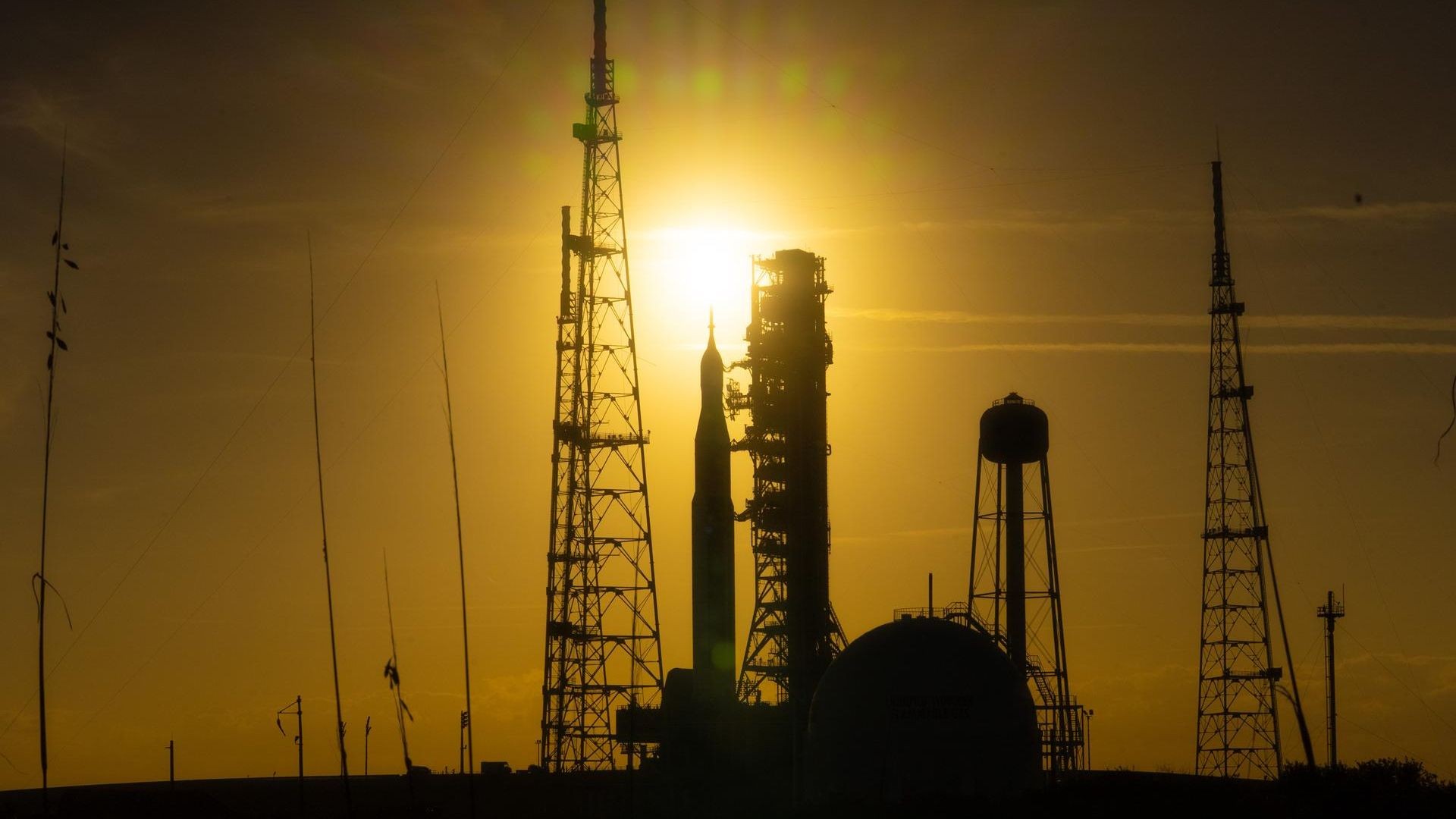
The Space Launch System (SLS) rocket and Orion spacecraft arrived at Launch Pad 39B at Kennedy Space Center (KSC) after a twelve-hour move from the Vehicle Assembly Building (VAB). Now, a series of tests and fueling exercises must be completed before the crew can board. NASA officials emphasize that the lessons learned from the uncrewed Artemis 1 mission in 2022 are key to success. Artemis 1 took eight months to prepare, but that practice has streamlined the current process.
Key Preparations Underway
The team is immediately validating connections to ground and fueling systems, as well as powering on all rocket components. The crew access arm will undergo testing, and the emergency egress system (a rapid evacuation mechanism) will be configured. Ground-based radio communications and booster servicing will also be checked.
Astronauts will participate in a second “countdown demonstration test”, following the first one conducted inside the VAB in December. This round will include a full walk-through of the emergency egress procedure.
The Crucial “Wet Dress Rehearsal”
The most critical step is the “wet dress rehearsal” – a full-scale simulation of fueling and launch procedures – scheduled to be completed by February 2nd. This involves loading over 700,000 gallons of cryogenic propellants into the rocket and conducting a launch countdown without the crew present.
This test is vital because Artemis 1 required four attempts before NASA deemed the rocket safe to launch. Past issues included liquid oxygen loading difficulties, hydrogen leaks, and problems with replenish valves in ground equipment. NASA has since made adjustments to the hardware and procedures to avoid these issues.
Lessons Learned from Artemis 1
Launch director Charlie Blackwell-Thompson notes that the team has refined fueling temperatures, modified ground umbilical plates to prevent hydrogen leaks, and adjusted flow rates and pressures. The replenish valve, which previously caused issues, has undergone extensive testing and design modifications.
Flexibility and Readiness
NASA officials are prioritizing safety over strict timelines. While February 6th is the primary launch date, backup windows are available throughout February, March, and April. The team will proceed only when confident that all systems are fully functional.
“We need to get through wet dress. We need to see what lessons that we learn as a result of that. And that will ultimately lay out our path toward launch,” Blackwell-Thompson said.
The Artemis 2 mission represents a significant step forward in NASA’s lunar exploration program. The success of this mission is crucial not only for the agency but also for the broader goal of establishing a sustainable presence on the Moon.