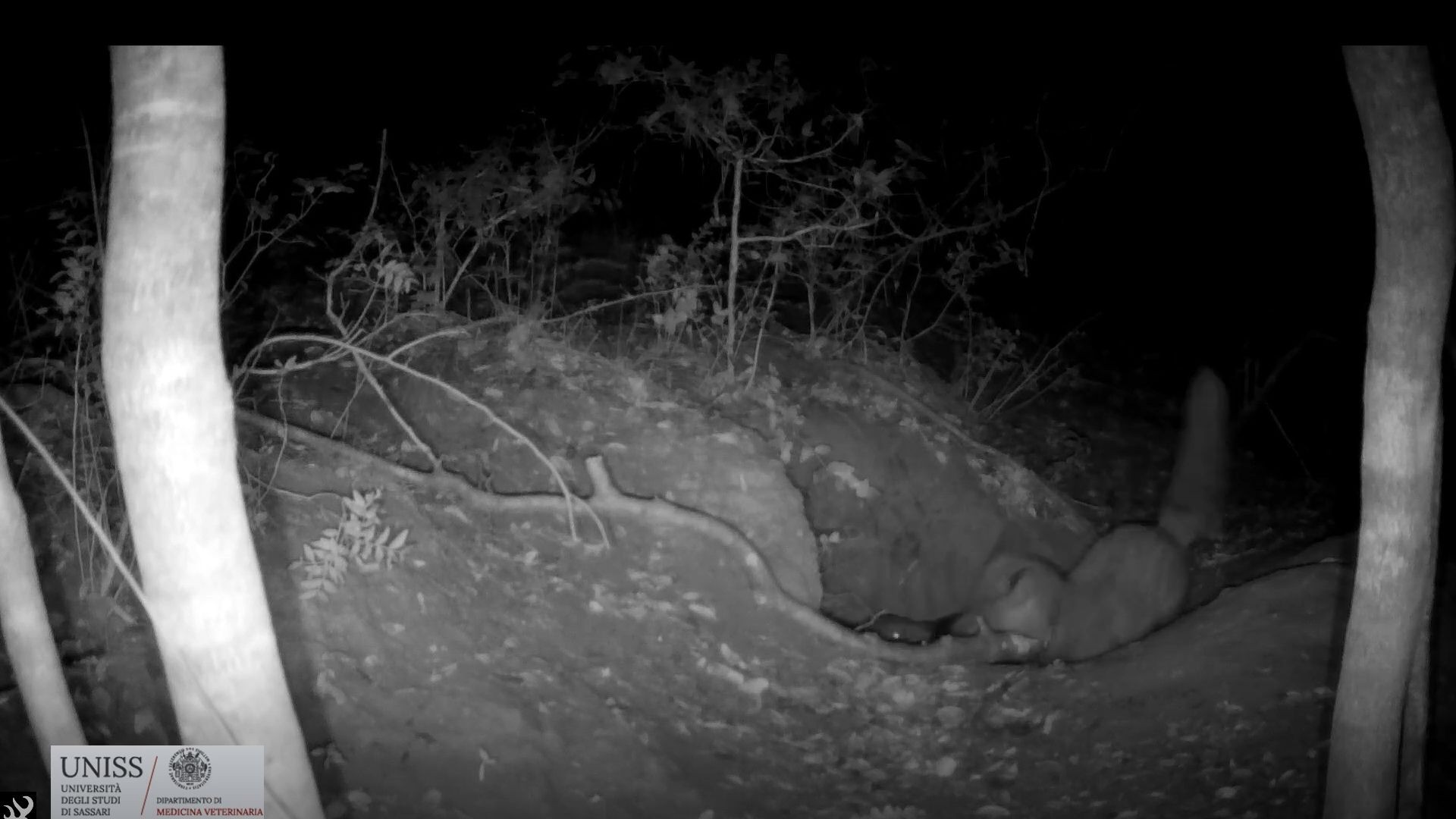
Striking video footage has documented a red fox preying on a one-month-old gray wolf pup in Italy, marking the first confirmed instance of such behavior captured on film. The incident, observed at the Castelporziano Presidential Estate near Rome, sheds light on the harsh realities of survival in the wild and raises questions about the role of predation in wolf pup mortality.
The Observation
Researchers tracking a gray wolf pack noticed a female exhibiting signs of recent birth. GPS data revealed frequent visits to a secondary den, confirming the presence of pups. Cameras were set up to monitor activity, and on May 16, 2025, a red fox was filmed entering the den.
The footage shows the fox successfully extracting one pup while the other escaped. The clip ends abruptly, but scientists believe the fox likely consumed the pup. This event is particularly notable because it challenges conventional understanding of predator-prey dynamics between these two canid species.
Wolf Pup Mortality and Predation
Wolf pups face high mortality rates, with 40% to 60% failing to survive their first year. Traditionally, starvation, disease, and harsh weather conditions were considered the primary causes. However, this observation suggests predation may play a more significant role than previously recognized.
The study’s lead author, Celeste Buelli, emphasized the rarity of directly observing pup deaths due to the secluded nature of dens. This footage offers a rare insight into a “striking” event involving a very young animal.
Why This Matters
This incident highlights the opportunistic nature of foxes, known for their adaptable diets. According to study co-author Rudy Brogi, the fox likely consumed the pup, aligning with its typical feeding behavior. While removing competition is possible, the scavenging relationship between foxes and wolves makes this less probable.
Zoologist David Macdonald, who was not involved in the study, notes that cross-species predation often involves larger canids targeting smaller ones. This case suggests a reversal of that dynamic, though whether this behavior is widespread remains unclear.
The Need for Further Research
The researchers acknowledge the need for broader investigation. More data from multiple dens is crucial to determine how frequently this type of predation occurs. Brogi suggests it may happen more often than reported, underscoring the importance of continued monitoring to fully understand wolf pup survival rates and population dynamics.
This footage serves as a stark reminder that even apex predators like wolves are vulnerable in their earliest stages of life. Understanding these vulnerabilities is essential for effective conservation efforts.