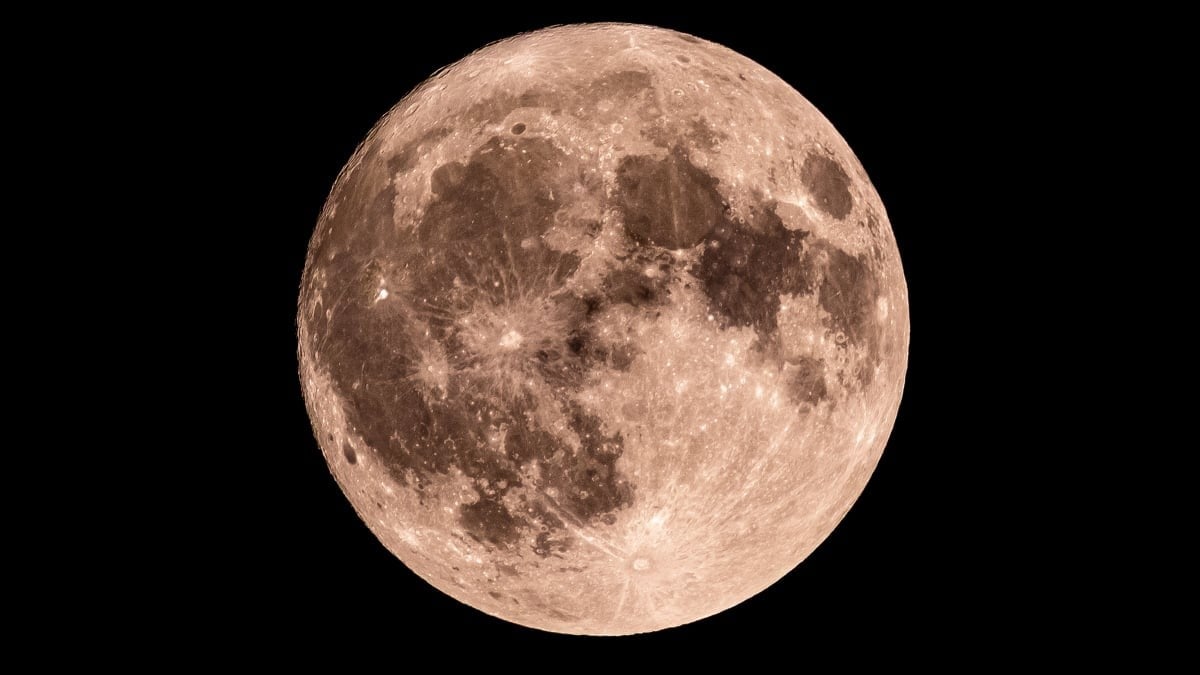
The moon is currently in its waning crescent phase, with approximately 18% illumination as of December 15, 2025. This means it’s one of the last opportunities to observe lunar features before the New Moon obscures it from view for a few nights.
What You Can See Tonight
Without optical aids, the most prominent feature visible tonight is the Aristarchus Plateau. However, amateur astronomers with binoculars can also spot the Grimaldi Basin and Gassendi Crater. More powerful telescopes will reveal Reiner Gamma, a mysterious lunar swirl.
Why this matters: The moon’s phases aren’t just a pretty sight. Historically, they’ve guided agriculture, navigation, and even cultural practices. Today, they remain relevant for scientific observation, astrophotography, and simply appreciating the cosmos.
Upcoming Full Moon
The next full moon is scheduled for January 3, following the last full moon which occurred on December 4. These cycles dictate lunar visibility and affect everything from tidal patterns to light pollution levels.
Understanding Moon Phases
The moon orbits Earth in roughly 29.5 days, cycling through eight distinct phases. This is due to the changing angles at which sunlight illuminates its surface as seen from Earth. We always view the same side of the moon, but the portion we see lit up varies continuously.
Here’s a breakdown of the main phases:
- New Moon: The moon is positioned between Earth and the sun, rendering its visible side dark.
- Waxing Crescent: A sliver of light appears on the right side (in the Northern Hemisphere).
- First Quarter: Half of the moon is illuminated on the right.
- Waxing Gibbous: More than half is lit, approaching fullness.
- Full Moon: The entire visible surface is brightly illuminated.
- Waning Gibbous: Light begins to diminish on the right side.
- Third Quarter: Half of the moon is lit on the left side.
- Waning Crescent: A final, thin sliver remains before disappearing again.
The predictability of these phases makes lunar observation accessible to anyone with a clear sky and curiosity. Whether using the naked eye, binoculars, or a telescope, there’s always something to discover.
The moon’s ongoing cycle continues to shape our perspective on the universe, even as we explore it more deeply with modern technology.