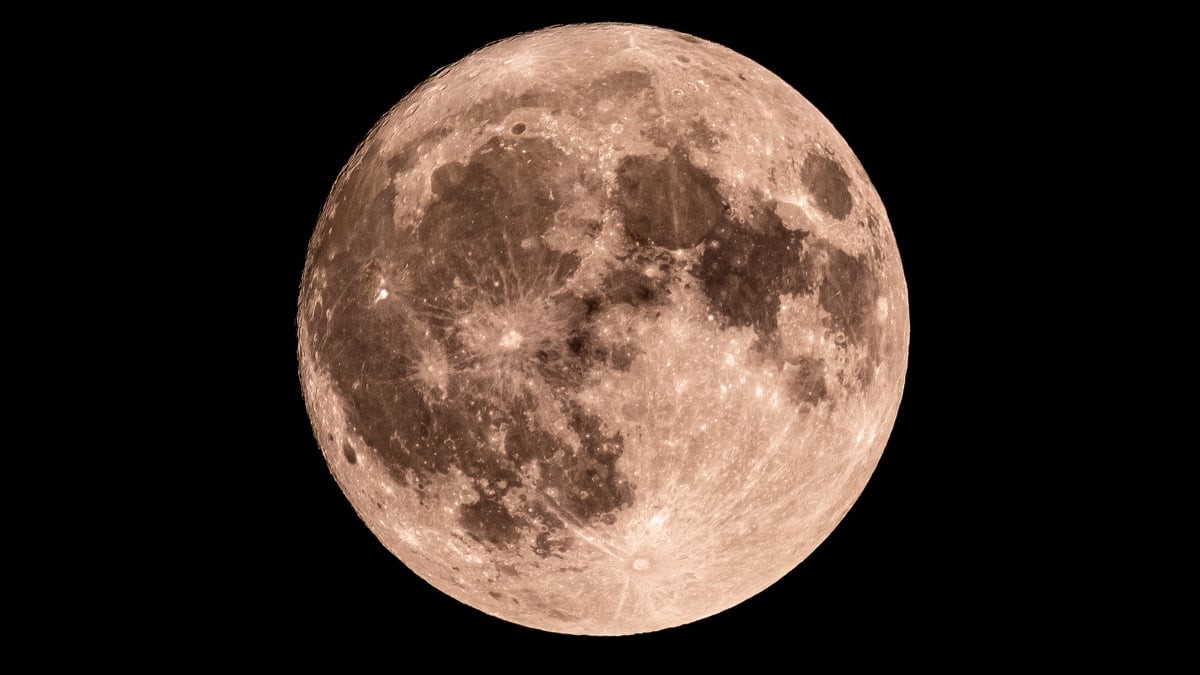
The Moon is currently in a Waxing Gibbous phase, meaning over half of its visible surface is illuminated. This makes it a prominent feature in the night sky, easily observable without special equipment. As of March 28, 2026, approximately 77% of the Moon will be lit up, providing excellent viewing opportunities for both casual observers and seasoned astronomers.
What You Can See Tonight
With the naked eye, you can distinguish major lunar features like the Tranquillitatis, Imbrium, and Vaporum Mares (seas). These dark, basaltic plains are remnants of ancient volcanic activity. For those with binoculars, additional details come into view, including the Mare Frigoris, the Alphonsus Crater, and the prominent Clavius Crater.
A telescope will reveal even finer structures such as the rugged Caucasus Mountains and, for dedicated lunar enthusiasts, the historical landing sites of the Apollo 14 and 16 missions. These sites, though subtle, offer a tangible connection to humanity’s exploration of the Moon.
Next Full Moon: April 1st in North America
The next Full Moon is predicted for April 1st, marking the peak of lunar illumination. Full Moons are culturally significant and have been tied to folklore, agriculture, and even sleep patterns for centuries. The increased brightness can affect nocturnal wildlife and human circadian rhythms.
Understanding Lunar Phases: A Celestial Cycle
The Moon’s phases are a result of its orbit around Earth, taking roughly 29.5 days to complete. While the Moon is tidally locked, always showing the same face to Earth, the amount of sunlight illuminating that face changes as it orbits. These shifting appearances create the eight distinct lunar phases:
- New Moon: The Moon is between Earth and the Sun, making it appear dark.
- Waxing Crescent: A sliver of light appears on the right side.
- First Quarter: Half of the Moon is lit on the right.
- Waxing Gibbous: More than half is lit, approaching full illumination.
- Full Moon: The entire visible face is lit.
- Waning Gibbous: Light begins to recede from the right side.
- Third Quarter: Half of the Moon is lit on the left.
- Waning Crescent: A thin sliver of light remains on the left before disappearing.
These phases aren’t just visually interesting; they influence tidal patterns, animal behavior, and human traditions. The Moon’s cycle has been observed and documented for millennia, making it one of the most familiar celestial phenomena.
The current Waxing Gibbous phase is an excellent time to observe the Moon, offering clear views of its surface features without the overwhelming brightness of a Full Moon. Whether using the naked eye, binoculars, or a telescope, tonight’s lunar display is a reminder of the dynamic relationship between Earth and its celestial neighbor.