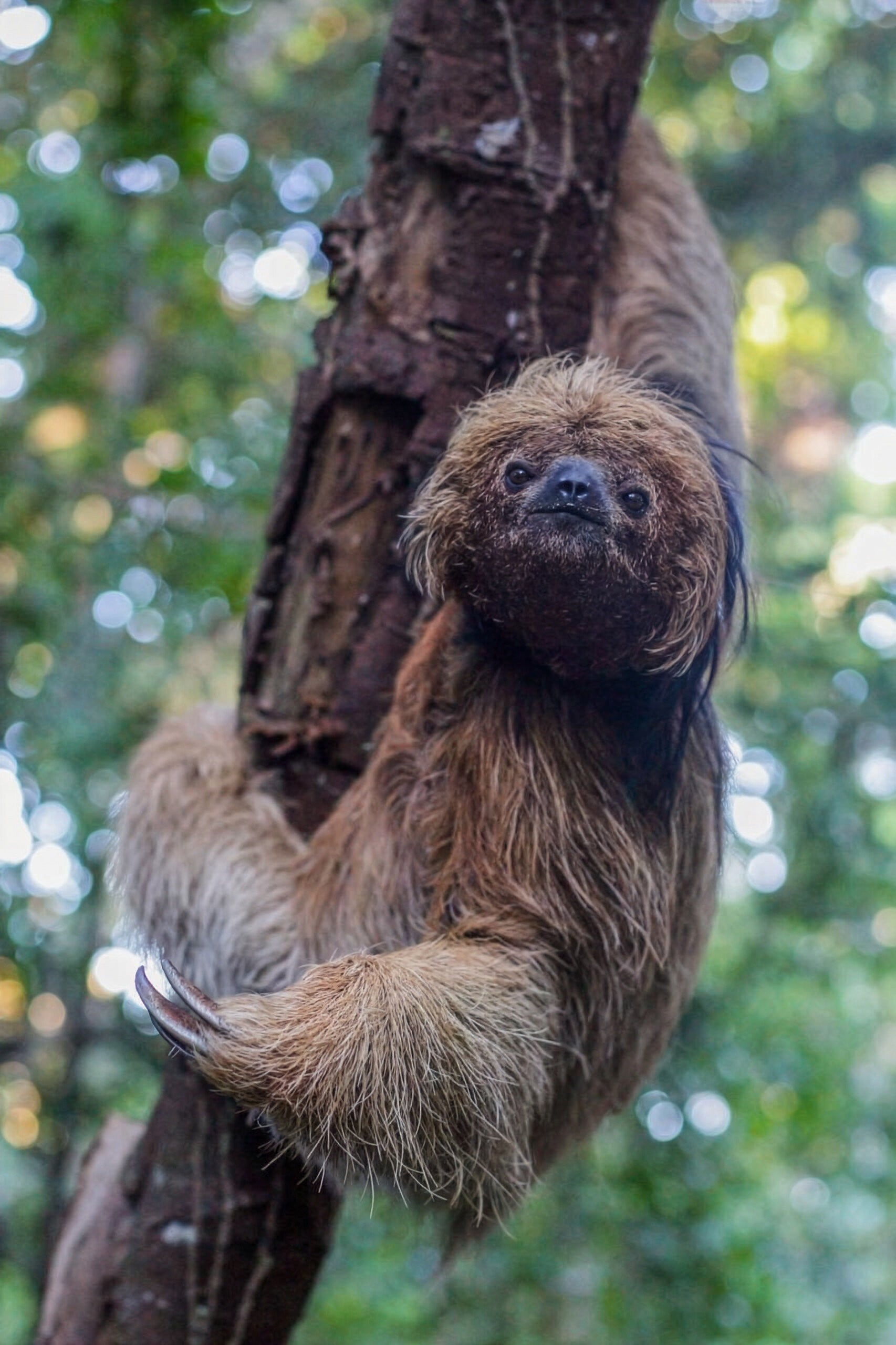
Brazil’s Atlantic Forest, once a vast tapestry of coastal tropical rainforest, has dwindled to a mere 8% of its original size due to relentless deforestation for agriculture and urbanization. Yet, within these fragmented remnants thrive diverse and resilient species, including the critically endangered maned sloths. Two closely related species, the northern (Bradypus torquatus) and southern (Bradypus crinitus) maned sloth, inhabit this beleaguered landscape. While they appear nearly identical at first glance, their genomes tell vastly different stories of survival in a changing world.
Recent genomic research by scientists from the Leibniz Institute for Zoo and Wildlife Research (Leibniz-IZW) and the Brazilian conservation NGO Instituto Tamanduá offers crucial insights into these unique sloth lineages and underscores the urgent need for tailored conservation strategies. Published in the journal Molecular Ecology, this study delves deep into the genetic “blueprints” of these sloths, uncovering the impact of both ancient climatic shifts and contemporary human-driven habitat changes.
A Tale of Two Sloth Lineages
By comparing whole genomes of the northern and southern maned sloths, researchers discovered distinct patterns reflecting their divergent histories. The southern sloth lineage, currently facing a greater risk of extinction, exhibits lower genetic diversity and historical population sizes compared to its northern counterpart. This suggests that past environmental and climatic variations have sculpted these populations differently.
However, the northern sloth lineage, while boasting higher genetic diversity and larger current numbers, presents a concerning trend: a rapid surge in inbreeding within recent decades. This alarming development likely stems from habitat fragmentation and deforestation driven by human expansion in the region.
Genetic Health Under Threat
The study also reveals that the northern lineage carries a heavier burden of “deleterious gene variants” – genetic mutations potentially detrimental to survival and reproduction. This heightened genetic load, coupled with the escalating inbreeding crisis, poses a grave threat to the long-term viability of this population unless immediate action is taken.
Actionable Insights for Conservation
These genomic revelations paint a nuanced picture: each sloth lineage requires unique conservation interventions tailored to its specific challenges. Preserving genetic diversity within populations and mitigating inbreeding are paramount concerns for both lineages, but strategies must address the distinct threats they face. For the southern maned sloth, boosting population sizes through habitat restoration and connectivity may be crucial, while mitigating fragmentation and protecting remaining forests in the north is vital for the northern lineage’s survival.
This research underscores the importance of genomic studies as a powerful tool for understanding species vulnerability and guiding effective conservation efforts. In an era marked by accelerating biodiversity loss, this detailed picture of the maned sloths’ genetic health serves as a stark reminder of the urgency to safeguard both their unique lineages and the fragile ecosystems they call home.