Glasgow is launching a two-year initiative to create 40 new “Wild Spaces” across the city, aiming to boost butterfly, moth, and wider wildlife populations. The project, funded by The National Lottery Heritage Fund, Glasgow City Council, and Butterfly Conservation supporters, will transform underutilized urban areas into thriving habitats.
Addressing a UK-Wide Decline
The move comes as butterfly and moth numbers decline across the UK, largely due to habitat loss and changing environmental conditions. Urban areas often lack the necessary food sources and breeding grounds for these vital pollinators, making targeted interventions crucial. This initiative represents a practical step towards reversing this trend within a densely populated environment.
How the Project Will Work
Butterfly Conservation, in partnership with Glasgow City Council, will implement the project in phases:
- Public Green Spaces: 15 new wildlife zones will be established in existing parks and community areas. Penilee Park and Richmond Park are among the first locations selected.
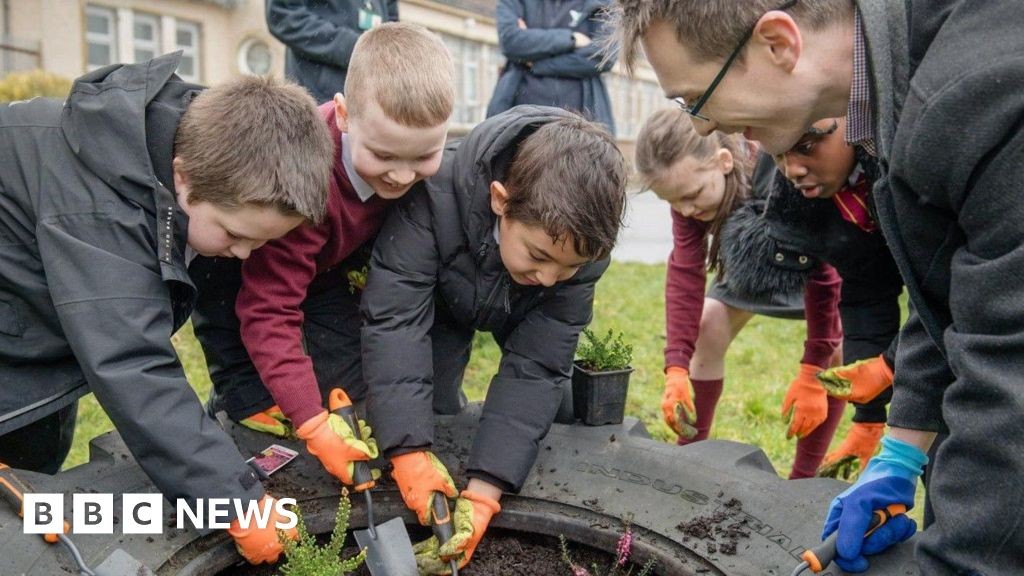
- School Involvement: 13 additional habitats will be created within school grounds, engaging pupils and staff in conservation efforts. St Martha’s Primary School hosted a launch event on Thursday.
- Community Outreach: “Wild Spaces” start-up packs, containing wildflower seeds, will be distributed to residents, encouraging individual contributions to local biodiversity.
The Importance of Urban Habitats
According to Claire Martin, Butterfly Conservation project officer, parks and green spaces are essential for community wellbeing. “They enrich our local environments in so many ways,” she said. Glasgow already boasts a significant green space network, covering over 20% of the city’s total area. Improving these spaces isn’t just about wildlife; it’s about enhancing quality of life for residents.
Wider Collaboration
A diverse range of organizations have expressed interest in participating, including schools, LGBT Youth Scotland, Glasgow University, and numerous community groups. This broad support highlights the shared recognition of the project’s value. Angus Millar, Glasgow’s city convener for climate, emphasized the critical role of pollinators: “We need to provide food and shelter across all types of land to arrest their decline.”
“This is a great initiative to create more spaces across Glasgow for nature,” Millar stated. “Pollinators play a vital role in maintaining our natural environment.”
The project underscores a growing trend towards integrating biodiversity into urban planning. By creating accessible, localized habitats, Glasgow is demonstrating how cities can actively contribute to ecological restoration.
The Wild Spaces project aims not only to provide refuge for wildlife but also to inspire greater community engagement in conservation. The next two years will be crucial in assessing the long-term impact of this initiative and its potential replication in other urban centers.