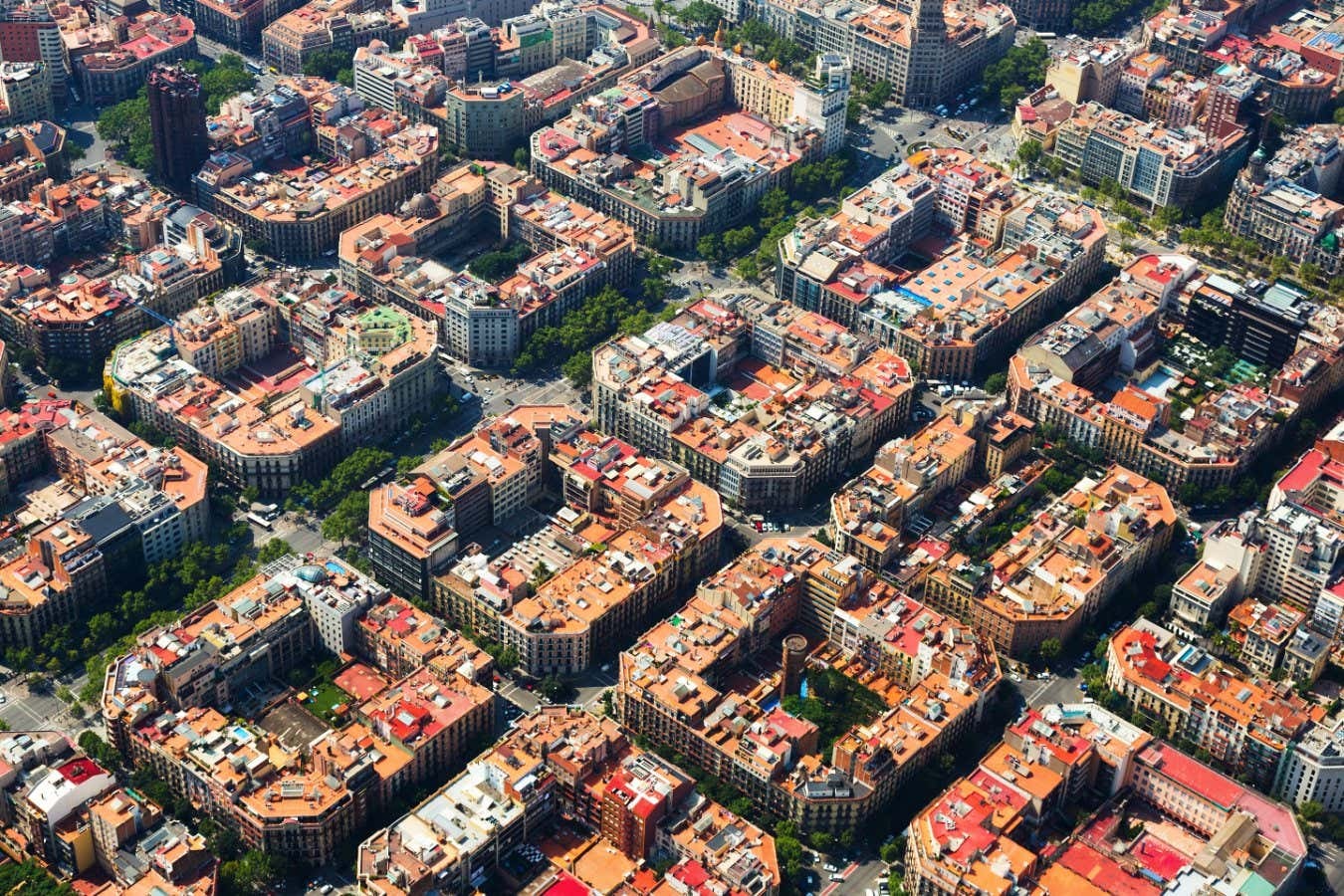
More than 80% of the world’s population now resides in urban areas—a figure set to rise—underscoring the critical need to ensure cities are designed to benefit both human health and the planet. A recent United Nations report reveals that urbanization is accelerating globally, with profound implications for sustainability, public health, and social well-being.
The Scale of Urban Growth
For decades, measuring urbanization has been hampered by inconsistent definitions of what constitutes an “urban” versus “rural” settlement. Some countries classify areas with as few as 200 inhabitants as urban, while others require 50,000. To address this, researchers defined urban areas as cities with at least 50,000 people and a density of 1,500 per square kilometer, or towns with at least 5,000 inhabitants and a density of 300 per square kilometer. Using this consistent standard, they found that 45% of the world’s population lives in cities, and 36% in towns, meaning 81% of people are now urban dwellers.
Future Projections: An Increasingly Urban World
Statistical modeling suggests that by 2050, 83% of the global population will live in urban regions. The number of urban residents will continue to grow until 2050, while the rural population is expected to peak in the 2040s—driven primarily by population growth in the Democratic Republic of the Congo—before declining. This shift demands proactive planning to mitigate negative consequences and maximize benefits.
Regional Drivers of Urbanization
The forces driving urbanization vary by region. In East and South Asia, internal migration—people moving from rural areas to cities in search of education, employment, and social opportunities—is the primary driver. Europe and North America see significant urbanization due to international migration. In Sub-Saharan Africa, high birth rates exceeding death rates contribute to the trend.
The Dual Edge of Urbanization: Benefits and Risks
Urbanization presents both opportunities and challenges. Careful urban planning can promote energy-efficient transportation and reduce carbon emissions. However, poorly planned expansion can lead to urban sprawl, increased car dependency, and higher emissions. Cities also expose residents to air pollution, extreme heat, and potential health risks like cardiovascular disease and Alzheimer’s. Conversely, cities provide better access to healthcare, education, and social networks.
Implications for Sustainability and Policy
These new estimates are crucial for assessing progress toward the UN’s Sustainable Development Goal 11—making cities inclusive, safe, resilient, and sustainable by 2030. The findings will also inform reports from the Intergovernmental Panel on Climate Change (IPCC), shaping policies to reduce global warming.
The Path Forward: Greener, More Livable Cities
The report emphasizes the urgency of designing cities that prioritize livability. This means investing in green spaces, improving public transportation, and reducing pollution. The goal isn’t to reverse urbanization, but to make cities healthier, more sustainable, and more equitable for all residents