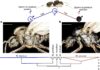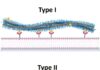
Researchers have significantly advanced Digital Light Processing (DLP) 3D printing by integrating artificial intelligence with novel material chemistry. The result: structures with dramatically improved mechanical properties, ranging from highly flexible to exceptionally rigid, all produced in a single printing process. This breakthrough addresses a critical limitation in current DLP technology, which often forces a trade-off between material damping and structural strength.
The Challenge of Mechanical Trade-Offs
DLP is already prized for its speed, precision, and material flexibility – from medical hydrogels to soft robotics elastomers. However, existing photocurable resins restrict how much mechanical properties can be fine-tuned. Common polyurethane acrylate (PUA) resins offer good damping but lack the stiffness needed for high-stress applications. Achieving both simultaneously has been a major hurdle.
The problem isn’t just material science; it’s also design. Optimizing complex geometries for maximum strength requires precise control over material gradients, which is computationally intensive.
A Two-Part Solution: New Resins & AI Optimization
Prof. Miso Kim’s team at the Korea Advanced Institute of Science and Technology has tackled this challenge with a two-pronged approach. First, they engineered a new PUA resin system that expands the stiffness range from 8.3 MPa to 1.2 GPa while maintaining low viscosity for easy printing. This was achieved by combining soft segments (with disulfide bonds for energy dissipation) and hard segments (hydroxyethyl acrylate) in varying ratios.
Second, they developed a machine learning framework to design optimized gradient structures and generate the grayscale masks needed for grayscale DLP (g-DLP) printing. This framework uses Bayesian optimization to minimize stress concentration and maximize stiffness. It iteratively refines designs through simulations, ensuring both structural integrity and predictable failure behavior.
Real-World Validation
The team demonstrated the effectiveness of their approach in two demanding applications: artificial cartilage and automotive bumpers. Both showed significant mechanical improvements under repeated stress and impact testing, proving the framework’s versatility.
Looking Ahead
Future research will focus on expanding material options beyond PUA systems and optimizing designs for dynamic loading conditions. This could lead to even more adaptive and robust 3D-printed materials across various industries.
The integration of composite chemistry with AI-driven structural optimization represents a significant step forward in additive manufacturing, offering a blueprint for next-generation materials with tailored mechanical performance.
This synergistic approach—combining molecular design, photopolymerization control, and computational optimization—sets a new standard for 3D-printed materials.
Reference: J. Nam, B. Chen, M. Kim, Machine Learning-Driven Grayscale Digital Light Processing for Mechanically Robust 3D-Printed Gradient Materials Advanced Materials (2025), DOI: 10.1002/adma.202504075