Rare sphagnum mosses, once lost to industrial activity and drainage, are being reintroduced across Yorkshire’s moorlands as part of an ambitious effort to combat climate change and restore vital ecosystems. The projects, underway in the Yorkshire Dales and on Marsden Moor, leverage the unique carbon-capturing abilities of these mosses to create resilient peat bogs—a critical step in mitigating environmental damage.
The Power of Sphagnum: Nature’s Carbon Sink
Sphagnum moss is no ordinary plant; it can absorb up to 20 times its weight in water, fostering the development of peat bogs. These bogs are essential because they prevent the decay of vegetation, locking carbon into the ground for centuries. This natural carbon storage capacity makes sphagnum moss a powerful tool in the fight against rising CO₂ levels. According to the National Trust, healthy peat can store between 30 and 70 kilograms of carbon per cubic meter—a substantial contribution to climate resilience.
Restoration Efforts: From Extinction to Revival
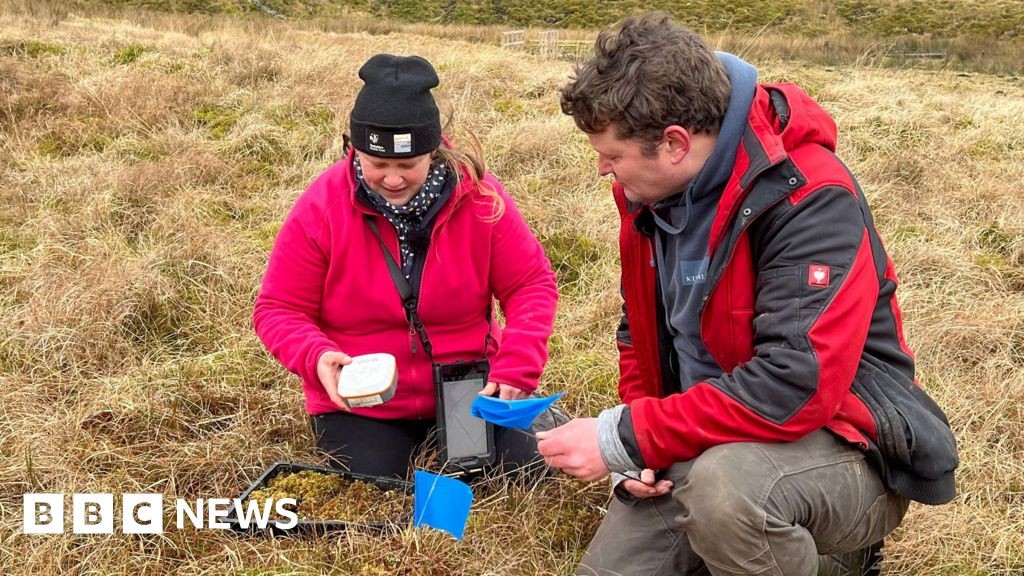
The Yorkshire Peat Partnership is spearheading the reintroduction of Sphagnum austinii, a species extinct in Yorkshire for hundreds of years due to drainage and industrial pollution. Moss samples sourced from Scotland are cultivated in local nurseries before being planted in blanket bogs, where their growth is monitored using GPS tracking. Farm manager Jamie McEwan at Kingsdale Head Farm reports “really nice results” from the restoration efforts, indicating the potential for significant long-term impact.
Industrial Legacy and Recovery on Marsden Moor
Marsden Moor, heavily affected by centuries of industrial pollution, is undergoing a similar transformation under National Trust management. While sphagnum moss never fully disappeared from the area, its health was severely compromised by airborne toxins like sulfur and lead. Rangers have spent two decades re-wetting the moor, and the planting of hundreds of thousands of “moss plugs” has already captured over 1 million tonnes of carbon—equivalent to 150,000 round-trip flights from London to Sydney.
Beyond Carbon: Biodiversity and Fire Prevention
The benefits extend beyond carbon storage. Restored peat bogs create diverse habitats for wildlife, including rare species like the curlew. Moreover, dense sphagnum moss cover dramatically reduces the risk of wildfires; a bog with 80-90% sphagnum coverage is virtually immune to fire spread.
“We’re not trying to bring the moors back to what they were 1,000 years ago. We’re looking forward to a future of climate change,” says data manager Beth Thomas. “The goal is to create resilient habitats that will survive the next 100, 1,000, or millennia in these places.”
These reintroduction projects demonstrate a proactive approach to climate resilience, focusing on nature-based solutions that can help Yorkshire’s moors thrive in an uncertain future.