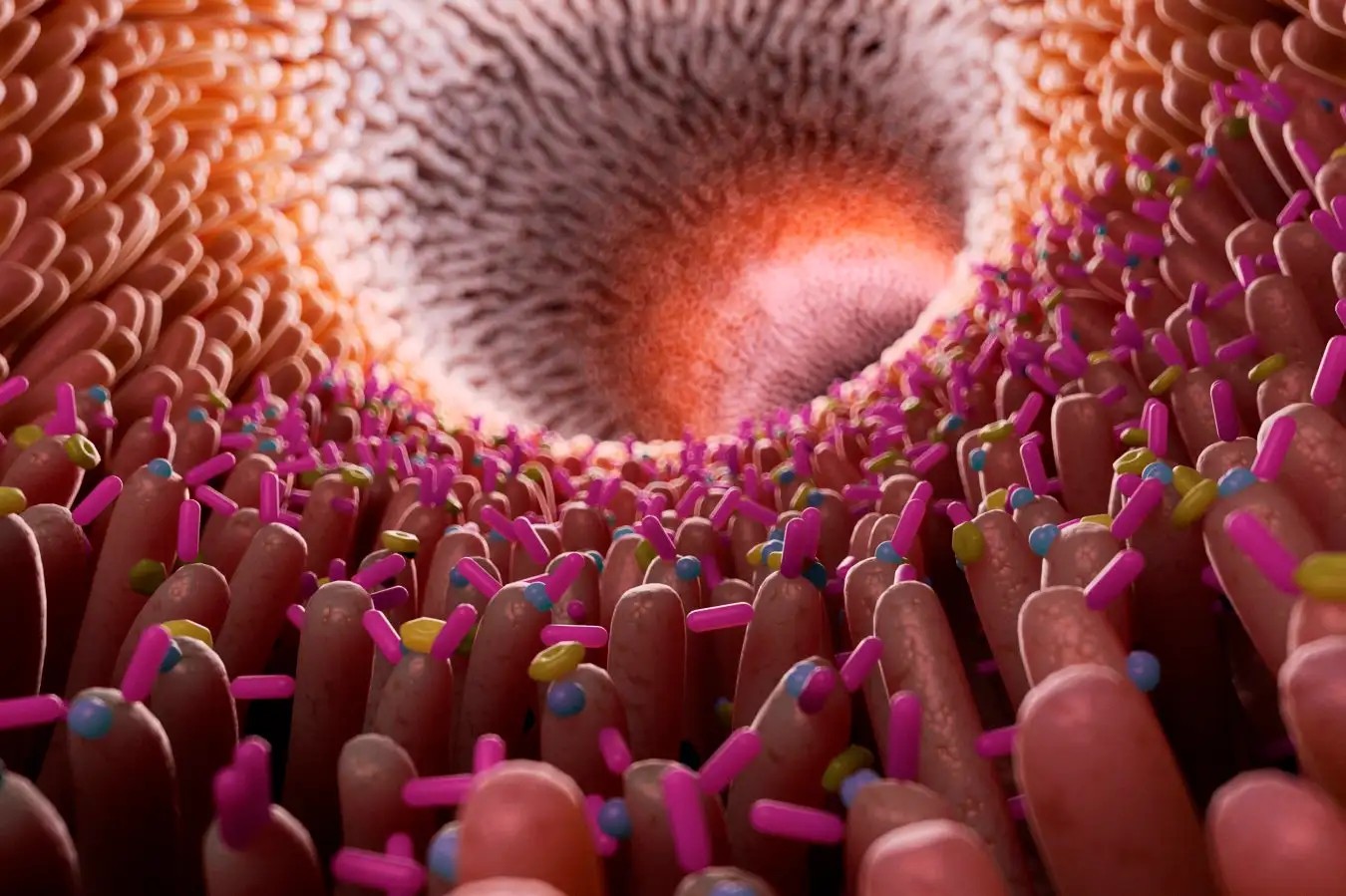
A newly identified group of gut bacteria, known as CAG-170, appears strongly linked to good health, according to a large-scale genetic study of over 11,000 people across 39 countries. This discovery sheds light on the vast “hidden microbiome” – the two-thirds of gut bacteria that remain uncultivated in labs and poorly understood despite their likely impact on immunity, aging, mental health, and overall well-being.
The Hidden World Within
Our guts host over 4,600 bacterial species, but most remain elusive to researchers. Only their genetic traces are detected in microbiome samples. The central question has been whether these unknown species are merely present or actively contribute to human health. The new research suggests that at least one group, CAG-170, plays a crucial role.
Study Findings: Health vs. Disease
Researchers analyzed gut microbiome samples from individuals with and without 13 chronic conditions, including inflammatory bowel disease, obesity, and chronic fatigue syndrome. They found a clear pattern: CAG-170 abundance was consistently higher in healthy individuals compared to those diagnosed with illnesses. Further analysis showed that higher levels of CAG-170 correlated with a balanced gut microbiome—lower dysbiosis—and overall better gut health.
The Altruistic Bacteria
CAG-170’s genome reveals it produces high levels of vitamin B12 and enzymes that break down complex carbohydrates. Intriguingly, the bacteria do not appear to use the B12 themselves; instead, they provide it to other species in the gut microbiome, suggesting a symbiotic relationship where CAG-170 supports the metabolic health of the surrounding bacterial community.
Implications and Future Research
Experts emphasize that determining whether CAG-170 causes better health or merely thrives in healthy conditions will require further study. Introducing CAG-170 into the gut through probiotics or dietary changes could reveal its causal effect on health outcomes. The gut microbiome and human body are deeply intertwined, and understanding this connection is key to treating and preventing illness.
Probiotic Potential & Dietary Interventions
While engineering CAG-170 into a probiotic product is challenging, researchers suggest increasing its presence in the gut through dietary means is more feasible. The bacteria seem unable to produce the amino acid arginine, meaning that increased intake could help culture them or boost their abundance in the gut.
Ultimately, this research highlights the need for nutritional clinical trials to assess how specific dietary changes impact the microbiome-human system.
CAG-170’s role in gut health could lead to new diagnostic tools and a new generation of probiotics, but further research is essential to unlock its full potential.