Northern Ireland is facing a significantly heightened risk of wildfires, driven by shifting weather patterns that are making fire seasons both longer and more volatile. A new report from Imperial College London reveals that the conditions favoring rapid fire ignition and spread are becoming increasingly common, particularly during the spring months.
This is not merely a seasonal fluctuation; it represents a structural change in the region’s climate. As temperatures rise and precipitation patterns shift, the landscape is becoming more susceptible to blazes that can overwhelm emergency services and devastate local ecosystems.
The Spring Surge
Spring has traditionally been the peak season for wildfires in Northern Ireland. During this time, vegetation such as grass and heather dries out, creating a highly flammable environment. However, researchers have identified a critical change: spring droughts are occurring with greater frequency and intensity.
The report highlights a sharp rise in “fire weather”—a specific combination of warmth, low humidity, and wind that allows fires to ignite easily and spread rapidly. This meteorological cocktail is becoming a regular feature of the spring calendar, rather than an occasional anomaly.
“This analysis shows that climate change is having a clear, exacerbating effect on wildfire danger in the UK,” said Theodore Keeping, a research associate in extreme weather analysis at Imperial College London. “We are seeing an increased likelihood of severe spring drought in many parts of the UK due to greater warming.”
Why This Matters: The Science of Flammability
The core issue is how rising temperatures alter the physical state of the landscape. Warmer weather causes vegetation to dry out earlier in the year. Simultaneously, a warmer atmosphere has a higher capacity to hold moisture, effectively drawing water out of the soil and plants more aggressively.
The result is that landscapes remain in a flammable state for longer periods. This extends the window of vulnerability, meaning that a single spark—whether from human activity or natural causes—has a much higher probability of igniting a significant fire.
From Spring to Summer: A Lengthening Season
While spring remains the primary concern, the data points to a disturbing trend: wildfire risk is expanding into the summer months.
Historically, summer wildfires in Northern Ireland were relatively uncommon. However, recent data indicates an increase in periods of severe fire weather during this season. This suggests that the fire season is not just intensifying in spring but is also stretching later into the year, creating a prolonged period of high risk.
This trend mirrors broader patterns seen across the UK. The Met Office noted that the extreme fires witnessed during the 2022 heatwave were at least six times more likely due to human-caused climate change. That summer, which saw temperatures exceed 40°C for the first time in parts of Britain, stretched fire services to their limits and served as a stark warning of how rapidly heat and dryness can escalate danger.
Immediate Impact and Response
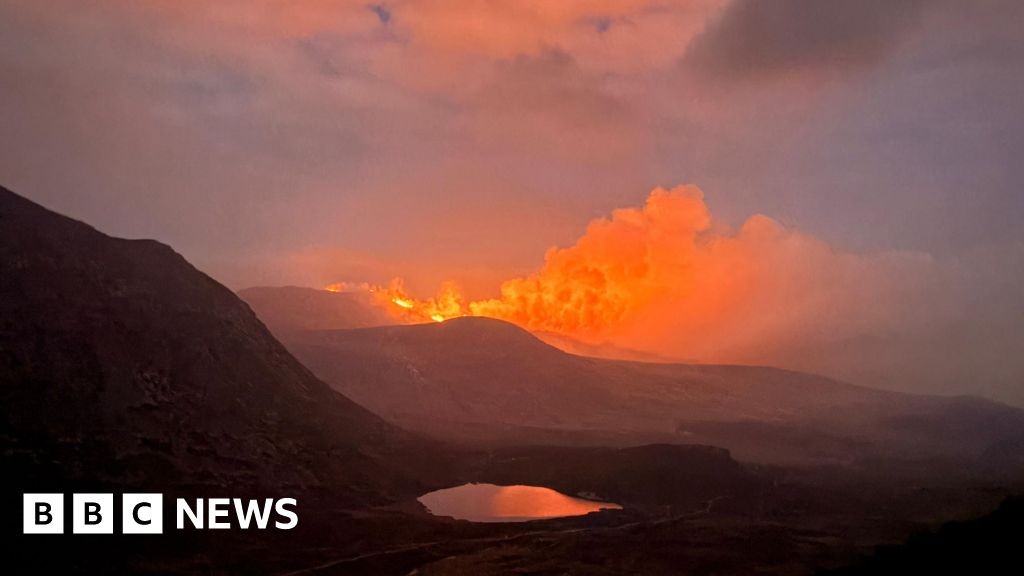
The theoretical risks outlined in the report are already manifesting on the ground. In April, parts of Northern Ireland experienced significant wildfires that required the deployment of hundreds of firefighters.
In response to these growing threats, the Department of Agriculture, Environment, and Rural Affairs (Daera) has launched an action plan aimed at reducing wildfire risks. These measures are critical as authorities attempt to adapt to a climate where traditional seasonal expectations no longer apply.
Conclusion
The evidence is clear: climate change is fundamentally altering the wildfire landscape in Northern Ireland. With spring droughts becoming more frequent and fire risks extending into summer, the region faces a longer, more dangerous season of volatility. As warming continues, the likelihood of severe fire weather will persist, necessitating ongoing adaptation and vigilance from both authorities and the public.