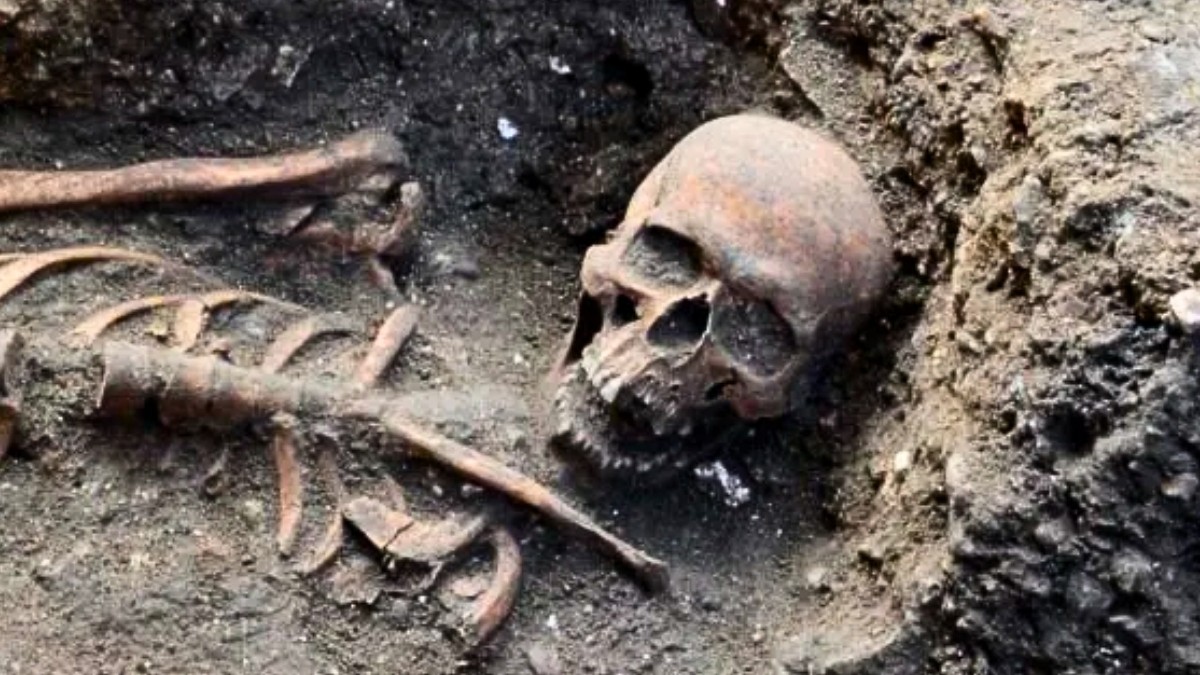
Archaeological excavations at the Tower of London have unearthed the remains of over 20 individuals, including potential plague victims, offering a rare glimpse into the site’s turbulent past. The dig, commissioned due to planned elevator construction for the Chapel Royal of St Peter ad Vincula, marks the first major archaeological effort at the historic monument in three decades.
Unearthing the Past: A Generational Opportunity
The work is legally required in the UK before any major construction, ensuring preservation of ancient history. Initial trial digs in 2019 hinted at the potential, revealing the remains of two 16th-century individuals. The current excavation, conducted by Pre-Construct Archaeology, has dramatically expanded that knowledge.
The most striking discovery is a cluster of 14th-century burials, strongly suggesting a mass plague interment. The Tower of London, historically a palace, prison, and fortress, has witnessed centuries of death and upheaval. These remains provide direct evidence of the devastating impact of outbreaks like the Black Death on the Tower’s inhabitants.
High-Status Burials and Rare Finds
Alongside the potential plague victims, archaeologists uncovered four burials from the 12th or 13th century, interred within coffins – an unusually lavish treatment for the period. This suggests these individuals held significant status, possibly connected to the royal court or elite circles.
The dig also yielded exceptionally preserved grave goods: fragments of textile from shrouds (rarely surviving decay) and charcoal-filled pots, a type of offering found in only one other medieval English burial. These items offer insights into burial rituals and the beliefs of those interred.
Layers of History: From Edward I to Henry III
The excavation isn’t just about bodies; it’s also revealing the building’s own evolution. Charred remains of a chapel built by Edward I in the 1280s, destroyed by fire in 1512, were found alongside earlier stone foundations from Henry III’s rebuilding in 1240. This layering of construction highlights the Tower’s continuous adaptation and reconstruction throughout the centuries.
What This Matters
The Tower of London stands as a physical archive of England’s history. The ongoing work is not just about bones and architecture, but about understanding the lives, deaths, and social structures of those who inhabited this iconic site.
“We’re already gaining insight into the residents of the Tower in a way we have never been able to do before,” says Jane Sidell, archaeologist at Historic England.
The discoveries reinforce the Tower’s role as a microcosm of English history: a place of royalty, imprisonment, plague, and continuous rebuilding. Further analysis of the remains promises even more revelations about the Tower’s past and those who lived and died within its walls.