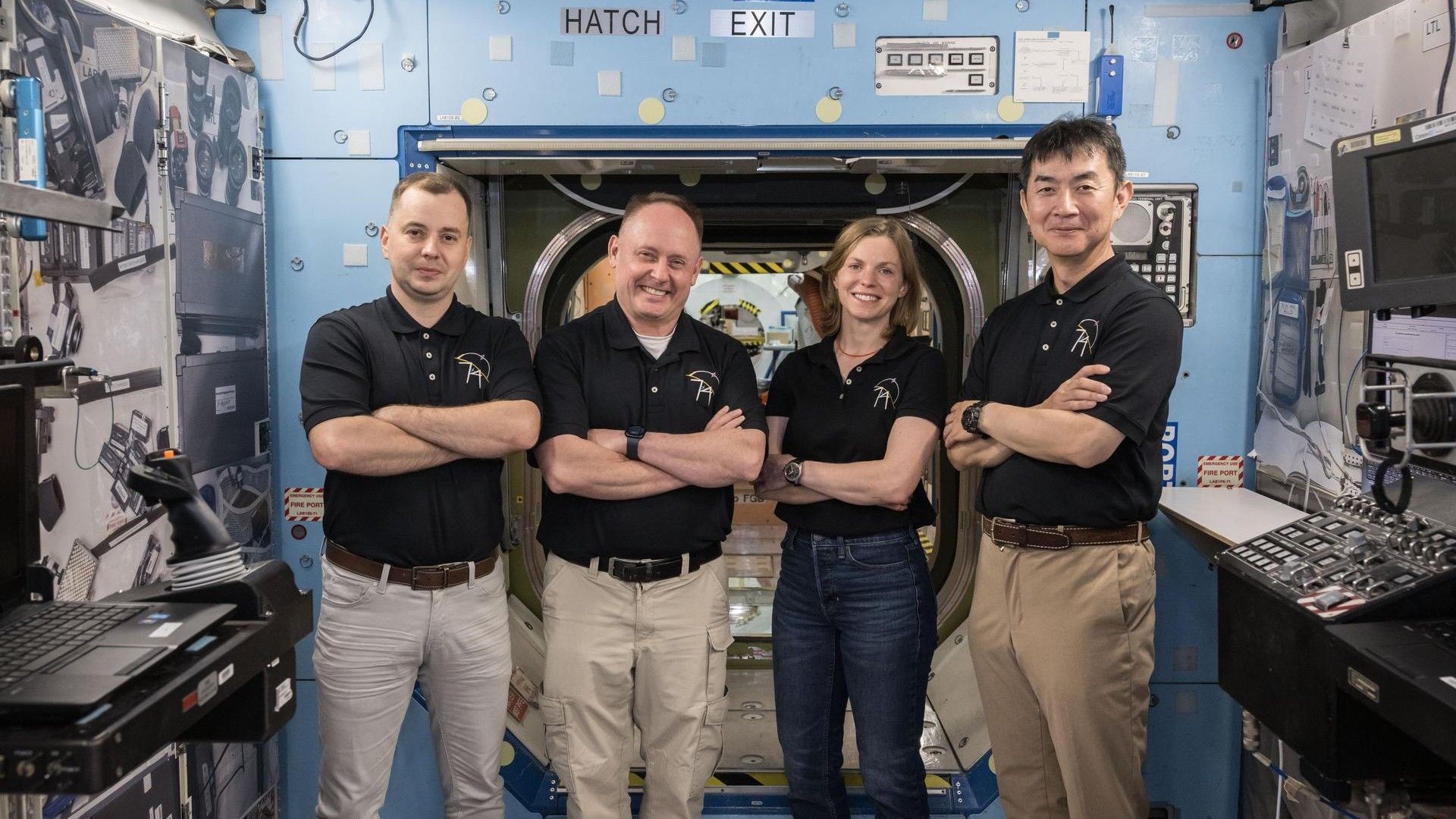
NASA is once again postponing the launch of its highly anticipated Artemis II lunar mission after discovering a critical helium flow issue in the Space Launch System (SLS) rocket. The mission, intended to send four astronauts on a journey around the moon, will now launch no earlier than April, marking yet another setback for the ambitious Artemis Program.
The Problem: Essential Helium Flow
The delay stems from a problem with the flow of helium to the SLS rocket’s upper stage. Helium is not merely a convenient gas in this context; it’s essential for controlling engine conditions and pressurizing fuel tanks. Without proper helium flow, the rocket cannot operate safely or efficiently. This isn’t a minor issue. The rocket must be rolled back to the Vehicle Assembly Building (VAB) at Kennedy Space Center (KSC) in Florida for a thorough investigation and repairs.
A Pattern of Setbacks
This latest delay is part of a troubling pattern for Artemis. The program has faced multiple hurdles, including repeated hydrogen leaks and technical complications. While a successful wet dress rehearsal was completed Thursday, demonstrating the system’s ability to fuel over 2.6 million liters of cryogenic propellants, the helium issue surfaced just hours later, highlighting the fragility of complex spaceflight operations.
Why This Matters: More Than Just a Delay
The Artemis Program is not just about returning humans to the moon; it’s about establishing a long-term presence and using the moon as a staging ground for future missions to Mars. Each delay undermines public confidence and raises questions about the program’s feasibility. The setbacks also underscore the inherent risks of pushing the boundaries of space exploration.
Investigation and Next Steps
NASA is currently examining potential causes, including issues with ground-to-rocket connections, filters, and valves within the upper stage. The agency is even reviewing data from the uncrewed Artemis I mission, which experienced similar pressurization problems before its launch in 2022. While the rollback to the VAB could preserve the April launch window, it’s not guaranteed.
A Historic Mission on Hold
Artemis II, when it finally launches, will be a milestone event: the first human lunar mission in over 50 years and the first to include a woman and a Black astronaut in a lunar crew. The 10-day flight will test critical systems ahead of Artemis III, scheduled to land astronauts on the moon in 2028. However, for now, the mission remains grounded, a stark reminder that even the most ambitious space programs are subject to the unpredictable realities of engineering and physics.
NASA’s pursuit of lunar and Martian exploration hinges on overcoming these challenges, but with each delay, the program’s long-term viability is further tested.