After a period of darkness in the lunar cycle, the Moon is finally beginning to reveal its features once again. For stargazers looking to reconnect with the night sky, tonight offers a perfect opportunity to observe the early stages of a new cycle.
Tonight’s View: The Waxing Crescent
As of Monday, April 20, 2026, the Moon is in its Waxing Crescent phase. According to NASA, only about 11% of the lunar surface is currently illuminated by the Sun.
While a crescent phase may seem subtle, it offers unique opportunities for observation:
- With the naked eye: Look for the dark patches known as Mares Crisium (Sea of Crises) and Mare Fecunditatis (Sea of Fertility). These are large, dark basaltic plains on the Moon’s surface.
- With binoculars or a telescope: You can achieve much higher detail, potentially spotting the Endymion Crater, which sits along the terminator—the line dividing the light and dark sides of the Moon.
Looking Ahead: The Road to the Full Moon
The Moon is currently gaining light each night as it moves through its orbit. If you are waiting for a bright, fully illuminated sky, you will have to wait a little longer. The next Full Moon is projected to occur on May 1, marking the beginning of a month that will feature two full moons.
Understanding the Lunar Cycle
To understand why the Moon changes shape, it is important to recognize that the Moon does not produce its own light; it merely reflects the Sun. Because the Moon orbits the Earth approximately every 29.5 days, our perspective of its illuminated half constantly shifts.
While we always see the same side of the Moon, the “phases” are simply a result of how much of the sunlit side is visible from our vantage point on Earth. The cycle follows eight distinct stages:
- New Moon: The Moon is positioned between the Earth and the Sun, making its visible side dark.
- Waxing Crescent: A thin sliver of light appears on the right side (in the Northern Hemisphere).
- First Quarter: Exactly half of the Moon appears illuminated.
- Waxing Gibbous: Most of the Moon is lit, but it has not yet reached full illumination.
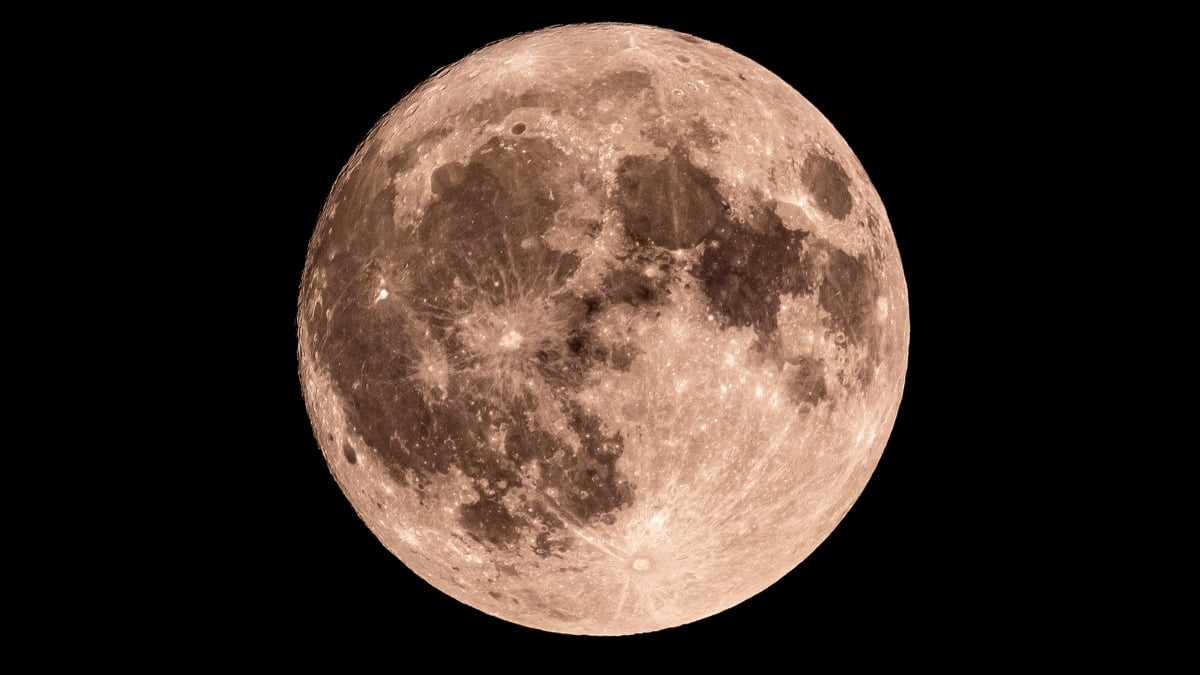
- Full Moon: The entire face of the Moon is visible and fully lit.
- Waning Gibbous: The illuminated portion begins to shrink from the right side.
- Third Quarter: The opposite half of the Moon (the left side) is illuminated.
- Waning Crescent: A final thin sliver remains before the cycle resets to a New Moon.
Note for observers: The “waxing” phases refer to the Moon growing in visible light, while “waning” refers to the light decreasing.
Summary: Tonight offers a subtle but rewarding view of a 11% illuminated Waxing Crescent, serving as the first visible step in a cycle that will culminate in a Full Moon on May 1.