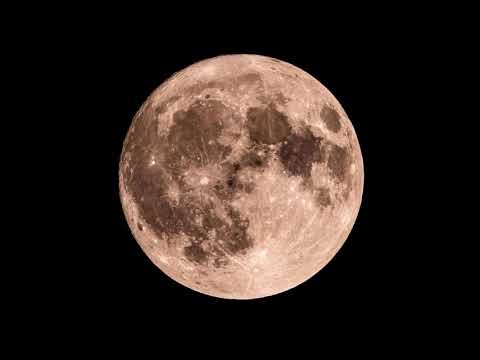
Tonight, October 6, 2025, offers a good opportunity to observe the moon. While the full moon arrives tomorrow, we are currently experiencing a Waxing Gibbous phase, meaning a significant portion—99%—of the moon’s surface is illuminated. This phase occurs as the moon moves towards fullness, offering ample detail for casual and more serious observers.
What to Look for Tonight
With a clear night sky, even without special equipment, you can identify some key features. Here’s what you might see:
- Casual Observation: Keep an eye out for the Copernicus Crater, the Mare Fecunditatis, and the Mare Tranquillitatis. These are relatively easy to spot with the naked eye under good viewing conditions.
- Binoculars: Using binoculars will reveal even more detail. Look for the Apennine Mountains, the Mare Nectaris, and the Gassendi Crater.
- Telescope: For the truly dedicated, a telescope unlocks spectacular views. You may be able to spot the Apollo 15 and 17 landing sites—a tangible reminder of human exploration—and the Fra Mauro Highlands.
Understanding Moon Phases
The moon’s appearance changes throughout the month as it orbits Earth. This sequence of changes, known as the lunar cycle, takes approximately 29.5 days, as explained by NASA. The different moon phases we observe are a result of the changing angles between the Sun, the Moon, and Earth. While we always see the same side of the moon, the amount of sunlight reflecting off its surface varies depending on its position in orbit.
Here’s a quick overview of the eight main phases:
- New Moon: The moon is positioned between Earth and the sun. Consequently, the side facing Earth is unlit and effectively invisible.
- Waxing Crescent: A slender sliver of light appears on the right side of the moon (as viewed from the Northern Hemisphere). The term “waxing” indicates that the illuminated portion is growing.
- First Quarter: Half of the moon’s face is illuminated on the right side. This phase resembles a half-moon shape.
- Waxing Gibbous: More than half of the moon’s surface is lit, but it hasn’t reached full illumination.
- Full Moon: The entire face of the moon is illuminated and fully visible—the peak of the lunar cycle.
- Waning Gibbous: Following the full moon, the illuminated portion begins to decrease, starting on the right side. “Waning” indicates a shrinking illuminated area.
- Last Quarter (or Third Quarter): Another half-moon appearance, but this time the left side is illuminated.
- Waning Crescent: A thin sliver of light remains, shrinking further before the cycle begins anew with the New Moon.
Observing the moon tonight provides a chance to appreciate our celestial neighbor and understand the predictable cycle of its phases, a phenomenon that has fascinated humanity for millennia. The upcoming full moon tomorrow will be a particularly striking event, but even in the Waxing Gibbous phase, there’s much to see and learn.