For over six decades, human spaceflight has pushed the boundaries of technological and physiological endurance. From the tragic Apollo 1 fire to recent complications with Boeing’s Starliner, NASA’s history is marked by both triumphs and hard-won lessons in survival.
The Artemis II mission—set to carry astronauts around the moon for the first time in over 50 years—is no exception. Safety isn’t just a priority; it’s a deeply ingrained philosophy refined through decades of risk assessment and engineering redundancy.
Redundancy as a Core Principle
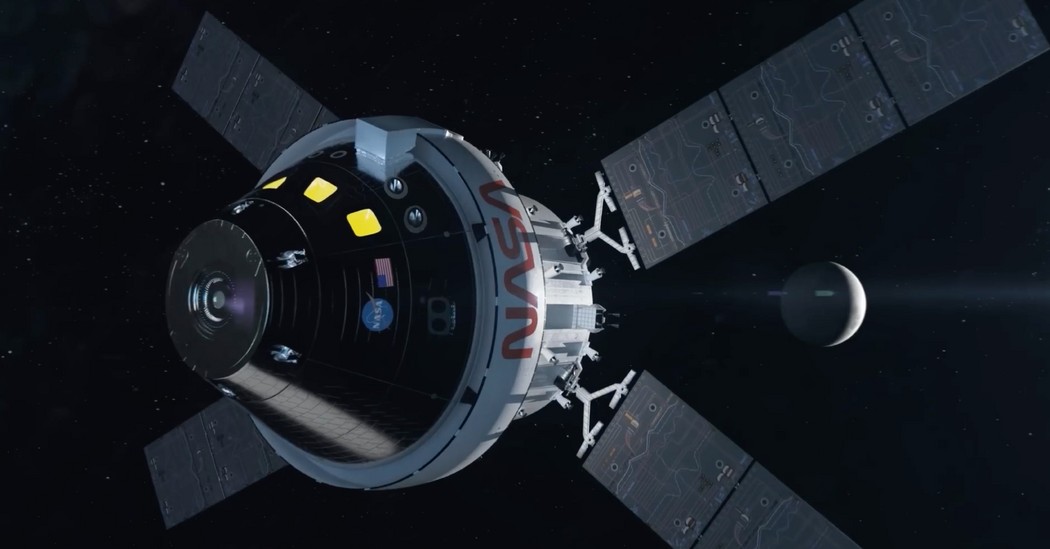
Reid Wiseman, commander of Artemis II, aptly described the Orion spacecraft as a vessel built on every hard-learned lesson in spaceflight history. This means layers of backup systems: thicker cables than necessary, multiple computer backups, and fail-safes woven into nearly every critical component. The goal is to ensure that no single point of failure can jeopardize the crew’s mission or lives.
Key Safety Systems
The Artemis II mission incorporates several key safety systems:
- Emergency Abort Systems: If critical systems fail during launch or early flight, the crew can activate an emergency abort sequence to return to Earth.
- Radiation Shielding: The spacecraft is designed to mitigate the harmful effects of cosmic radiation exposure during the 10-day journey.
- Life Support Redundancy: Multiple independent life support systems ensure breathable air, water recycling, and temperature regulation even if one system fails.
- Autonomous Navigation: The Orion capsule incorporates automated systems that can guide the spacecraft back to Earth even in the event of crew incapacitation.
Why This Matters
NASA’s meticulous approach to safety is not just about preventing disasters; it’s about pushing the limits of human exploration while mitigating unacceptable risks. Space travel remains inherently dangerous, but decades of engineering refinement and operational experience have made missions like Artemis II possible.
The success of Artemis II will depend on the reliability of these systems, and the mission will serve as a crucial stepping stone toward long-term lunar habitation and eventual crewed missions to Mars.