The same sticky substance Neandertals used to haft stone tools may have also been their go-to antibiotic. A new study published in PLOS One suggests that birch tar, created by burning birch bark, possesses antibacterial properties strong enough to combat infections like Staphylococcus aureus. This raises the intriguing possibility that early hominids were unknowingly treating wounds with a primitive form of medicine.
Birch Tar: A Dual-Purpose Substance
Archaeologist Tjaark Siemssen of the University of Oxford points out that birch tar isn’t just a prehistoric adhesive. Modern cultures—including Indigenous Arctic peoples and the Mi’kmaq of eastern Canada—have long used birch extracts medicinally to fight skin infections, including drug-resistant strains like MRSA. These traditional remedies have been scientifically proven effective at killing harmful bacteria.
Siemssen’s research explored whether Neandertals, who actively produced birch tar for toolmaking, might have benefited from its antiseptic qualities. He argues that applying the tar to wounds is a logical extension of its known uses. Ancient Homo sapiens already utilized ochre as an insect repellent, suggesting the potential for other species to possess rudimentary medical knowledge.
The Process: A Sticky, Messy Business
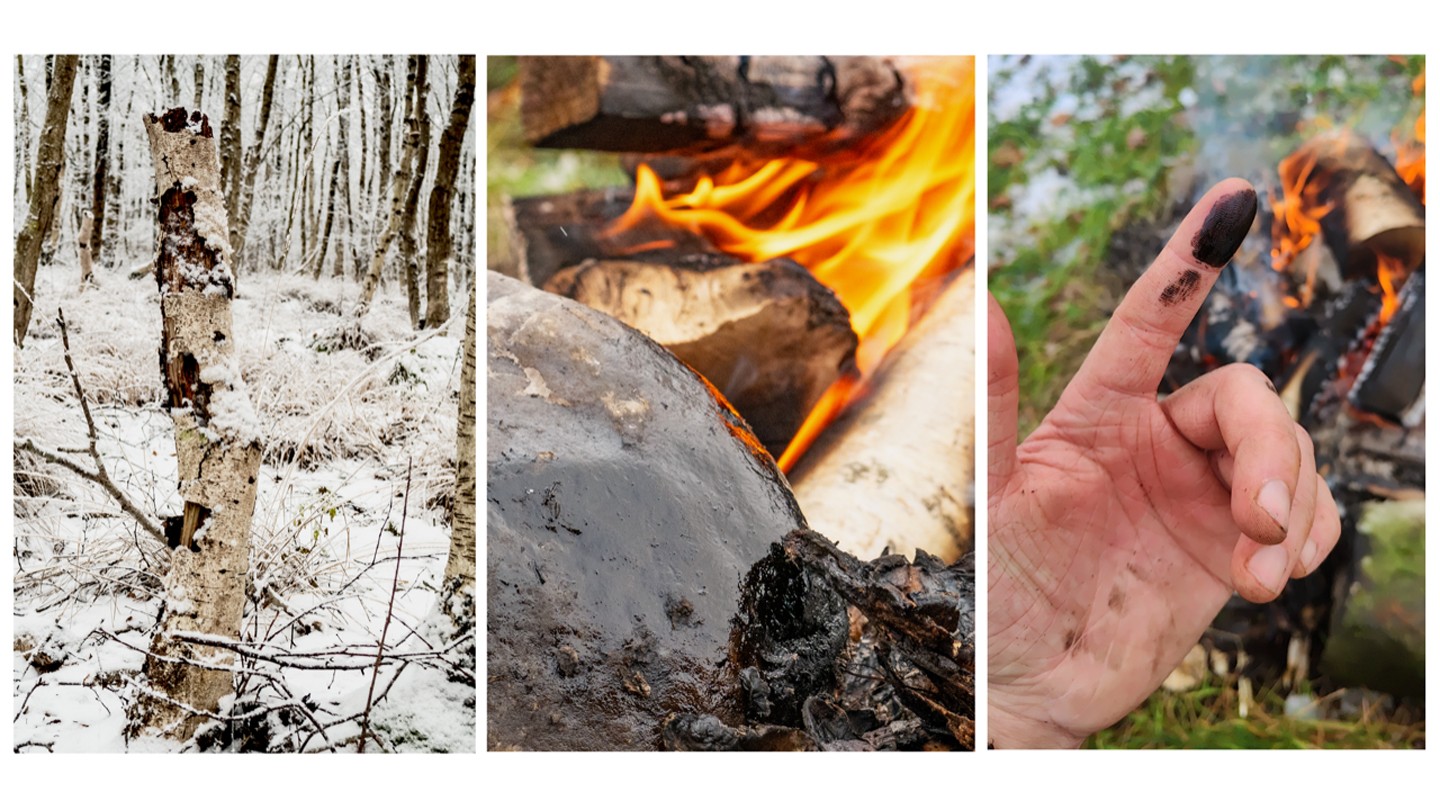
Creating birch tar requires a controlled burn under airtight conditions. Neandertals likely burned bark beneath a rock, collecting the condensed vapors as tar. Modern methods use tins for efficiency, but the process remains messy: “You get your hands very, very dirty. It’s on your skin before anything else,” Siemssen notes. Crucially, the study found that all tar samples, regardless of production method, exhibited antibacterial properties.
Did They Know? The Debate Continues
If Neandertals mastered birch tar production, they might have intuitively recognized its healing potential. An accessible antiseptic would have been a significant survival advantage in a harsh environment. Evidence suggests they also used other medicinal plants (yarrow, chamomile found in teeth), further supporting the idea that natural remedies were integral to their lives.
However, some archaeologists remain skeptical. Karen Hardy of the University of Glasgow argues that the presence of birch tar as an adhesive doesn’t automatically prove medicinal intent. She emphasizes that the Neandertal environment was rich with other potential antiseptics, making it difficult to conclude that they specifically used birch tar for healing.
A Broader Perspective
Ultimately, the study underscores that Neandertals lived in a world from which they drew extensively—both technologically and medicinally. Whether intentional or accidental, the antibacterial properties of birch tar likely provided a benefit, even if they didn’t understand why. The implications extend beyond Neandertals; this research highlights how ancient humans might have stumbled upon effective medicines through practical necessity long before the advent of formal healthcare.