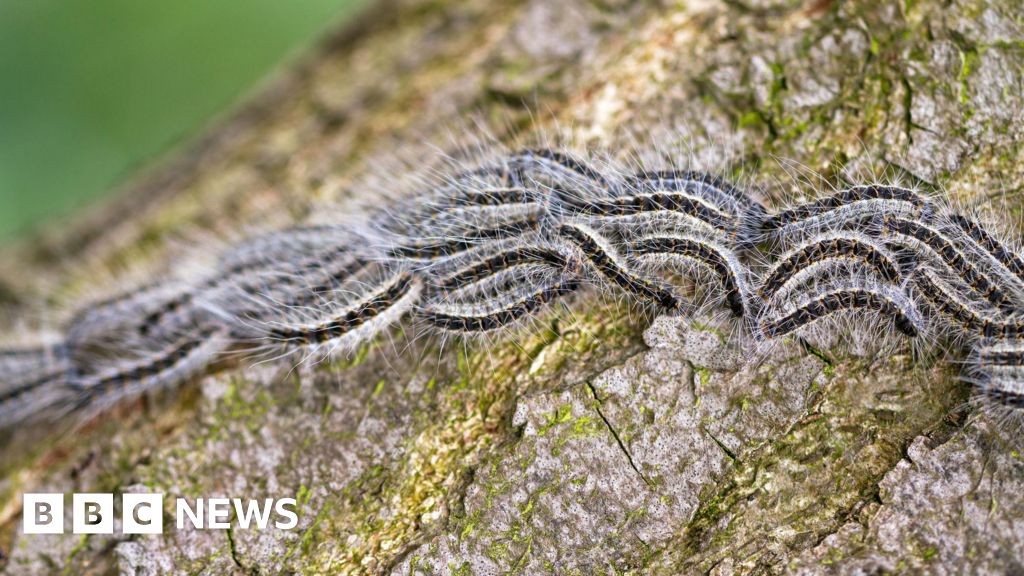
It’s that time of year again. Oak trees look fine, right?
Don’t be fooled.
The bark hides something dangerous. Oak processionary moth caterpillars. They’re building nests all over the south-east. Specifically here in Surrey.
The larvae are tiny but potent. Their hairs contain toxins.
If you touch them, you itch. If you breathe in those hairs? Worse.
Sore throats. Breathing difficulties. Red, irritated eyes. Itchy rashes. The body doesn’t take kindly to the toxin.
“Whilst the risks are generally low if they keep your distance, it is important that people know how to recognize the caterpillars,” Ellen Nicholson told the press.
Ellen Nicholson is Woking Borough Council’s portfolio holder for green spaces. She’s asking us to be smarter about this. Not necessarily panic-stricken. But aware.
Keep away. Do not touch the nest. Do not try to tear it down.
Most people think, I can just grab that thing, no problem.
Stop.
The council is clear: report sightings. Let the professionals handle it. They have the gear to remove nests safely.
What if the nest is in your backyard?
Contact the Forestry Commission. If it’s on a public path or parkland, call Woking’s Neighbourhood Team. Keep kids and pets back. Dogs especially—they love sniffing trees, they shouldn’t.
Why do we even have this mess?
The caterpillars didn’t start here. They were accidentally introduced in 2005.
Twenty years later, OPM is established. Most of Greater London has them. Some surrounding counties do too.
The rest of the UK? Free of the pest.
But there are special restrictions now. Moving oak plants is risky. It could bring the moths into new areas. The government has a program for this. Survey, control, minimize. It’s not working fast enough.
Are we really ready to fight a moth war with just “keep your distance”?
Maybe not.
Just don’t pet the caterpillar. It doesn’t want to be petted anyway.
And don’t ignore the nests. Just walk by. Quietly.
The trees are waiting.