A groundbreaking study reveals that a single dose of dimethyltryptamine (DMT), a potent psychedelic, can significantly alleviate depressive symptoms with lasting effects. Researchers at Imperial College London found that even a single intravenous administration of DMT, combined with psychotherapeutic support, produced improvements in patients with severe, treatment-resistant depression—improvements sustained for up to six months.
The Study & Findings
The trial involved 34 participants who had struggled with moderate to severe depression for an average of ten years, having previously failed to respond to conventional therapies. Half received a substantial 21.5mg dose of DMT, while the other half received a placebo. The DMT group demonstrated a 7.4-point reduction in depression-rating scores after two weeks, a difference that held steady for three months and beyond for some individuals.
Notably, a follow-up phase allowing all participants to experience DMT did not enhance outcomes further, suggesting that a single treatment may be sufficient for lasting relief. Side effects were minimal, primarily temporary anxiety, nausea, and minor infusion-site discomfort.
Why This Matters
This research is significant because DMT is currently classified as a highly controlled substance with no recognized medical use by international bodies. However, the findings align with growing evidence suggesting that psychedelics, including DMT, may offer therapeutic potential for mental health conditions unresponsive to traditional methods.
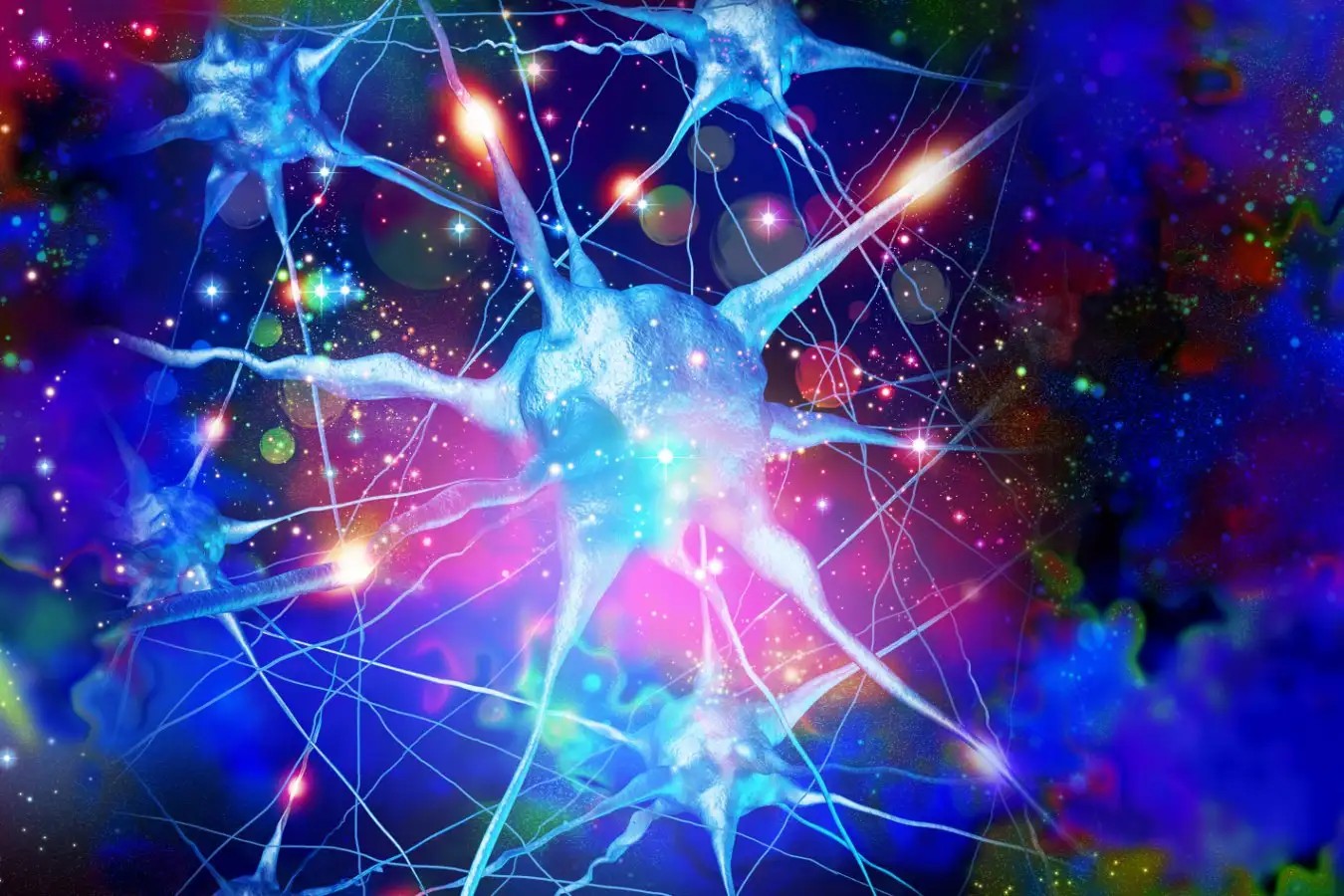
The study suggests that DMT’s rapid, intense effects create a window of neuroplasticity—a period where the brain more readily forms new connections—or dampen inflammation linked to depression. The intensity of the psychedelic experience itself, particularly feelings of unity and profound emotional shift, correlated with the degree of therapeutic improvement.
Implications & Future Outlook
The results indicate a shorter, potentially more cost-effective psychedelic treatment compared to longer-acting options like psilocybin. Helus Pharma is already using these findings to guide testing of a modified DMT variant (HLP004) for anxiety, while AtaiBeckley is accelerating development of its 5-MeO-DMT candidate for treatment-resistant depression, with US approval now looking likely.
Despite the promising results, experts emphasize the need for careful preparation, monitoring, and follow-up due to DMT’s disorienting effects. The subjective nature of psychedelic experiences also means participant expectations may influence outcomes.