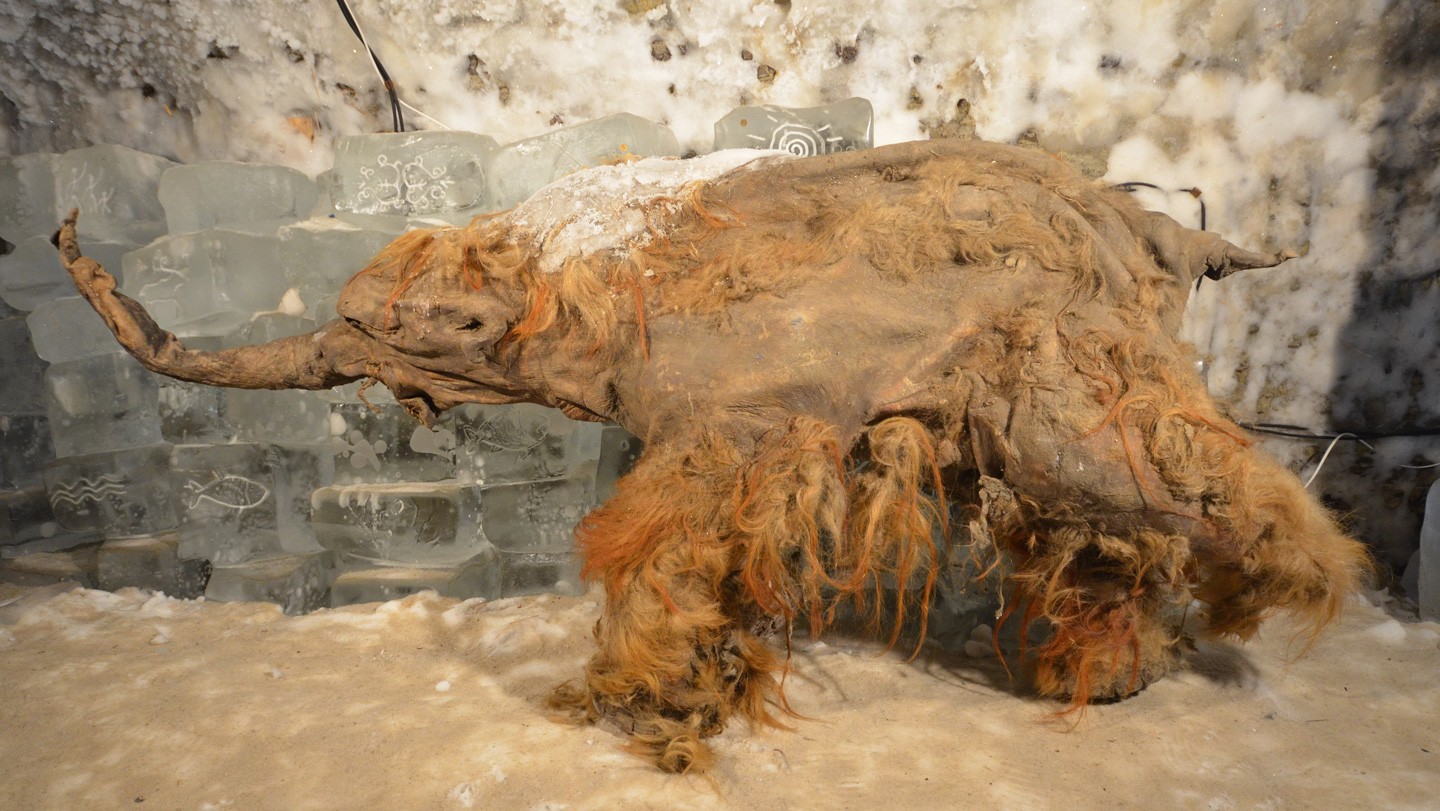
Scientists have extracted and sequenced 40,000-year-old RNA from a woolly mammoth named Yuka, providing an unprecedented glimpse into the animal’s final hours. The analysis suggests Yuka may have been fleeing a predator, possibly a cave lion, when he died. This discovery, published in Cell, challenges long-held beliefs about RNA’s fragility and opens new avenues for studying ancient life.
The Breakthrough: RNA Survives Longer Than Expected
For decades, researchers focused almost exclusively on ancient DNA, dismissing RNA as too unstable to survive tens of thousands of years. Conventional wisdom held that RNA degrades rapidly after death. However, the exceptionally well-preserved remains found in Siberian permafrost have proven this assumption wrong. This work demonstrates that, under the right conditions (namely, extreme cold), RNA can persist for far longer than previously imagined.
The RNA sequenced from Yuka is the oldest ever recovered, dwarfing the previous record of 14,000-year-old wolf RNA. This discovery suggests that ancient RNA may be a far more valuable source of biological information than previously thought.
What RNA Reveals: Stress and Cellular Activity
Unlike DNA, which contains the complete genetic blueprint, RNA provides a snapshot of cellular activity at a specific moment. This makes it an ideal tool for understanding how an animal functioned in its final hours.
The analysis of Yuka’s RNA revealed signs of cellular stress, particularly in his muscle tissue. The molecular evidence suggests that Yuka’s muscles may have been exhausted, potentially from a prolonged chase. Scratches on his hind legs further support the theory that he was fleeing a predator.
MicroRNAs: The Key to Species Differences?
The researchers also identified microRNAs, small RNA molecules that regulate gene activity. These molecules could play a crucial role in distinguishing mammoths from their closest living relatives, elephants. While mammoths and elephants share highly similar genetic blueprints, subtle differences in microRNA activity could explain why one species evolved to thrive in frigid environments while the other did not.
Implications for Ancient Biology
This breakthrough has significant implications for the study of ancient life. RNA analysis could provide a more dynamic picture of past ecosystems than DNA alone. By examining RNA, scientists can reconstruct not just what an animal was, but how it was functioning at the time of its death.
The preservation of RNA in permafrost suggests that other ancient remains may also contain valuable molecular information. This opens up the possibility of studying the physiology of extinct species in unprecedented detail, shedding light on their behavior, health, and adaptation to past environments.
The ability to extract and sequence ancient RNA marks a new era in paleogenomics, promising a deeper understanding of the past than ever before