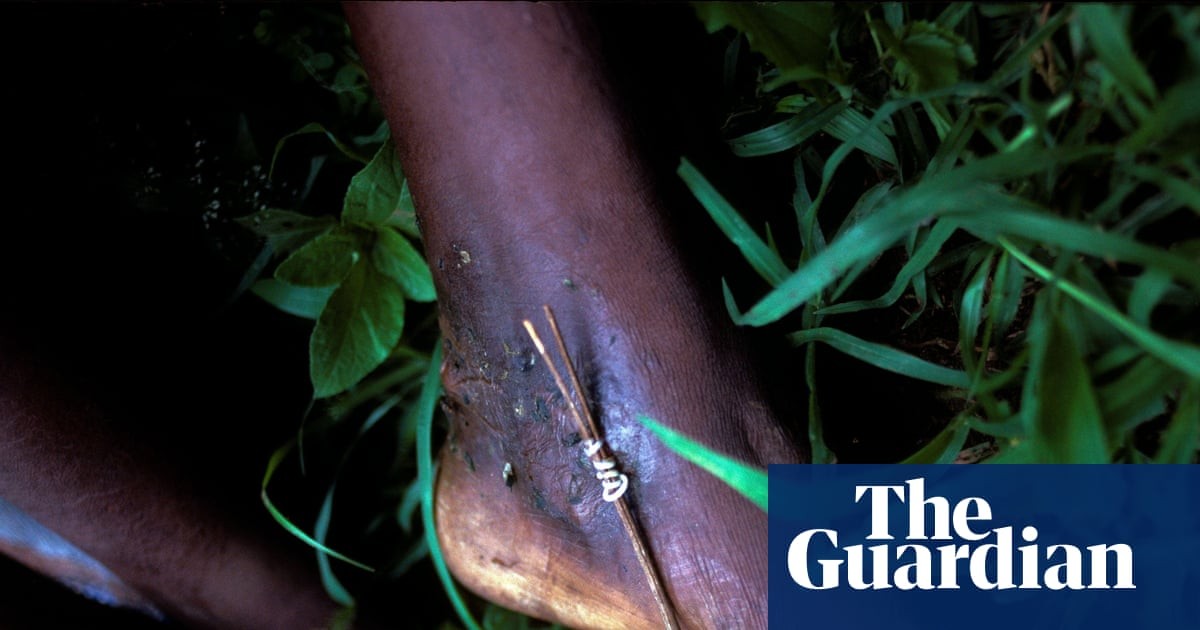
The global fight against guinea worm is approaching a historic milestone, yet the finish line remains frustratingly elusive. According to recent data from The Carter Center, the number of human cases of this debilitating tropical disease dropped to a record low of just 10 cases last year.
While these figures represent a monumental victory for public health, they also highlight a sobering reality: despite decades of progress, the parasite continues to persist in the wild.
The Challenge of Eradication
To understand the difficulty of this mission, one must look at the history of human disease eradication. To date, smallpox stands alone as the only human disease to be completely wiped out.
Unlike smallpox, which was managed through widespread vaccination, the battle against guinea worm is a logistical and biological marathon. Eradicating a disease is not merely about treating the sick; it is about breaking the cycle of transmission entirely.
Why is it so difficult?
The complexity of eliminating guinea worm stems from several critical factors:
– Transmission Mechanics: The parasite relies on specific water sources and intermediate hosts (such as water fleas), making it difficult to intercept without massive infrastructure changes.
– The “Last Mile” Problem: As case numbers dwindle, finding the final remaining pockets of infection becomes exponentially harder and more resource-intensive.
– Environmental Persistence: Even when human cases are near zero, the parasite can persist in the ecosystem, waiting for a lapse in prevention to resurface.
Experts Weigh In
In a recent discussion hosted by Ian Sample, experts provided insight into the biological and logistical hurdles currently facing health organizations.
“Only one human illness has been entirely eradicated: smallpox. Why is it so difficult, and could guinea worm one day be the second?”
Madeleine Finlay, co-host of the podcast, and David Molyneux, Emeritus Professor of Tropical Disease Microbiology at the Liverpool School of Tropical Medicine, explore whether the current momentum is enough to overcome these final barriers.
The Path Forward
The transition from “controlling” a disease to “eradicating” it requires more than just medical intervention; it requires sustained community engagement, clean water access, and rigorous surveillance to ensure that those final ten cases do not become ten thousand.
Conclusion
While the record-low case count signals a triumph of global health efforts, the persistence of guinea worm serves as a reminder that the final stages