A highly dangerous parasite, the New World screwworm (Cochliomyia hominivorax ), is resurging in Mexico and South America, with a growing risk of crossing into the United States. The Centers for Disease Control (CDC) has issued a health advisory to prepare US medical professionals for potential cases, as the parasite was previously eradicated from the country but is now spreading northward.
The Threat: A Devastating Parasite
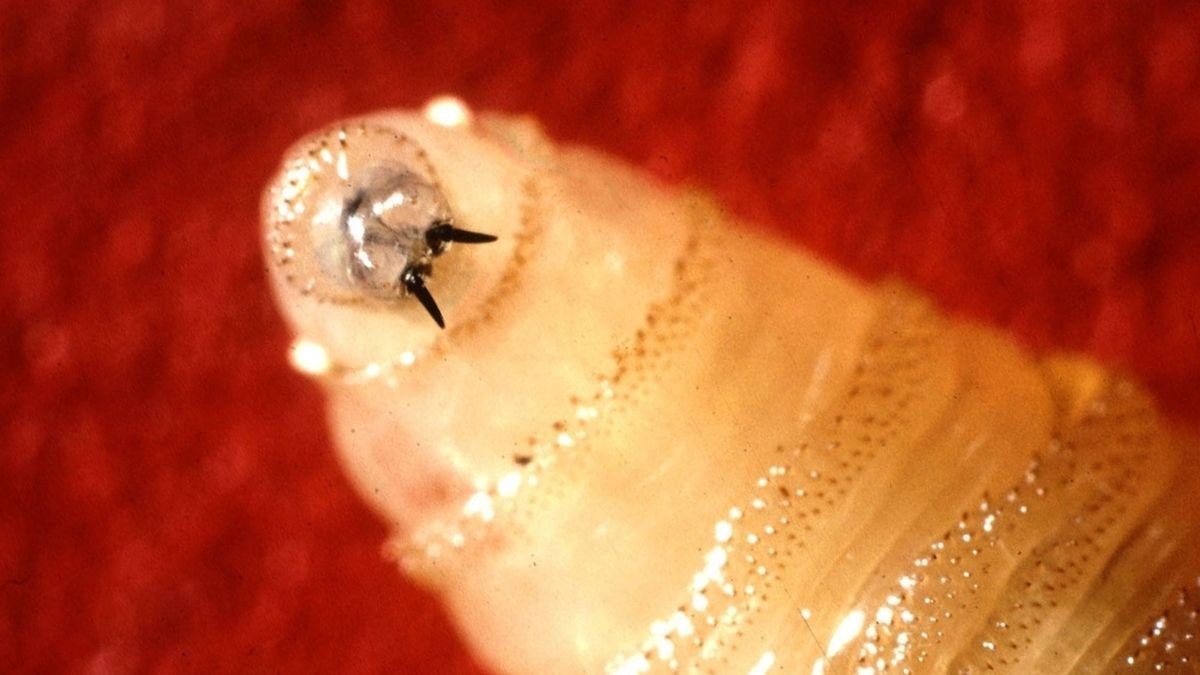
The New World screwworm is a fly larva that infests open wounds of warm-blooded animals, including livestock, pets, and humans. Infections can quickly become fatal, especially if untreated, killing even large animals like cattle within a week. The parasite lays its eggs in wounds and mucous membranes, where the larvae then feed on living tissue.
Current Outbreak & US Concerns
The current outbreak has already caused 7 deaths and over 1,190 infections in Mexico and South America. Crucially, 601 active animal cases are confirmed in Mexico, including 8 in Tamaulipas – a Mexican state directly bordering Texas. This proximity is the primary reason for the CDC’s alert.
The screwworm was eliminated in the US in 1966, but resurfaced briefly in Florida deer in 2016 before being eradicated again by 2017. The current spread represents a new challenge because it bypasses previous containment measures.
Economic and Public Health Implications
A large-scale outbreak in the US, particularly in Texas (the nation’s largest cattle producer), could cause significant economic damage – estimated at $1.8 billion by the US Department of Agriculture. Beyond livestock, human infections, though rare, are possible and require immediate treatment.
The Sterile Insect Technique & Past Successes
The original eradication efforts relied on the “sterile insect technique.” This involves releasing billions of male flies sterilized with gamma radiation. These sterilized males mate with wild females, preventing them from producing viable offspring. The technique worked so well that by 1982, the fly was declared locally extinct across much of North and Central America.
How It Returned
A continuous barrier of sterile fly releases operated from a facility in Panama. However, in 2023, the screwworm breached this barrier, resuming its northward movement. By November 2024, infections were confirmed in Mexico, and in September 2025, a case was detected just 70 miles from the US border. The CDC attributes the spread to unregulated cattle movement, increased traffic through the Darien Gap, and expanding agricultural areas.
Climate Change as a Factor
Scientists also point to climate change, with rising temperatures extending the screwworm’s breeding season and geographic range. Warmer conditions may create more favorable environments for the parasite to thrive.
Current Status & CDC Recommendations
As of now, no US cases have been reported. However, the CDC advisory stresses awareness among clinicians and public health officials. The agency recommends prompt case identification, specimen collection, diagnosis, and treatment, as well as public guidance.
The resurgence of the New World screwworm is a serious threat that demands vigilance and coordinated response to prevent a full-scale outbreak in the US.