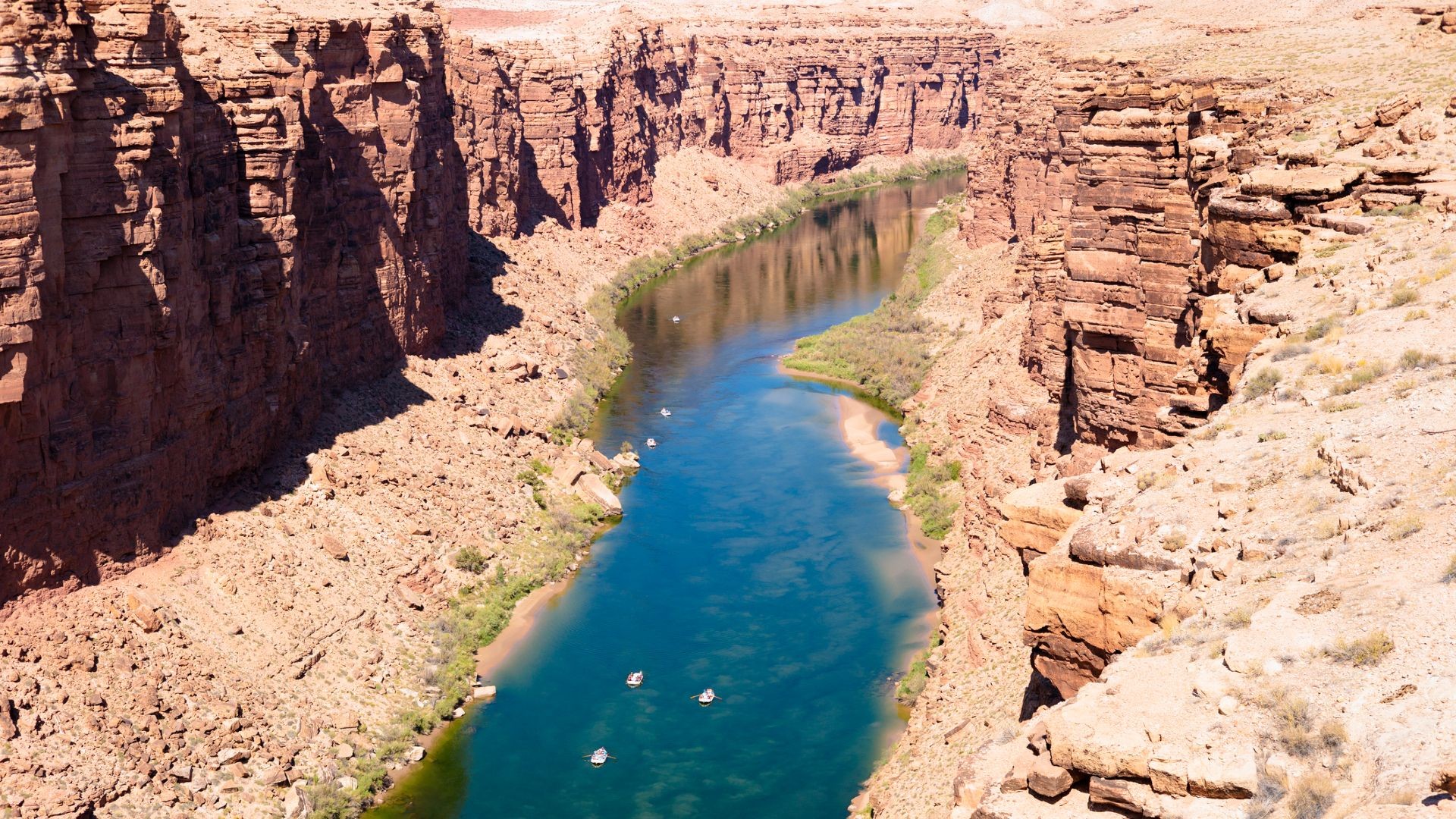
Negotiations among the seven U.S. states reliant on the Colorado River have reached a standstill, threatening water supplies for 40 million people and a $1.4 trillion economy. The states failed to meet a federal deadline for a new water-sharing plan, raising the possibility of unilateral action by the government.
The Problem: A River Running Dry
The Colorado River basin is facing a severe water crisis driven by climate change and decades of drought. This isn’t just an environmental issue; it’s an economic one. The river provides water for agriculture, energy production, and recreation, underpinning a massive regional economy. The current lack of agreement puts all of this at risk.
Why Negotiations Failed: Five Key Conflicts
Experts in water management identify five primary roadblocks in the Colorado River talks: differing values, conflicting data interpretations, strained relationships, competing interests, and rigid negotiating structures. All five are present in the current dispute. The basin states are deeply divided between the Upper Basin (Colorado, Wyoming, Utah, and New Mexico) and the Lower Basin (Arizona, Nevada, and California), each unwilling to compromise.
The Past Worked: What Changed?
Past water agreements, like those in the 2000s and 2019, succeeded because of strong federal leadership, clear consequences for inaction, and trust-building among negotiators. Officials from the U.S. Bureau of Reclamation actively guided discussions, providing scientific models and setting firm expectations. States communicated openly outside formal meetings, fostering collaboration.
Today, the federal government lacks the same authority. The Bureau of Reclamation has been without a permanent commissioner since 2025, and federal involvement has been minimal. States are using conflicting data sets, further deepening distrust and preventing progress. Political polarization has also made compromise harder.
The Bureau’s Role: Consequences Matter
The U.S. Bureau of Reclamation outlined five possible management alternatives in January 2026. If the states fail to reach an agreement, the bureau could enforce one of these plans. However, this would likely trigger decades of legal battles, with no clear winner.
What’s the Solution? A Third-Party Facilitator
While bringing in an outside facilitator now might be difficult given the degraded trust, a collaborative approach is still possible. A neutral third party could mediate discussions, ensuring all states have a voice and that decisions are based on shared data. This worked in Washington state’s Yakima River Basin, where a similar process led to a negotiated agreement.
“If they can (all) get something, that’s really the basis of the plan,” as a Washington state official told The New York Times.
Conclusion
The Colorado River negotiations are at a critical juncture. Without compromise, the federal government may intervene, triggering legal chaos. A facilitated, consensus-based approach offers the best path forward, but it requires a shift from rigid positions to a willingness to collaborate. Failure to act decisively will have dire consequences for the millions who depend on this vital water source.