


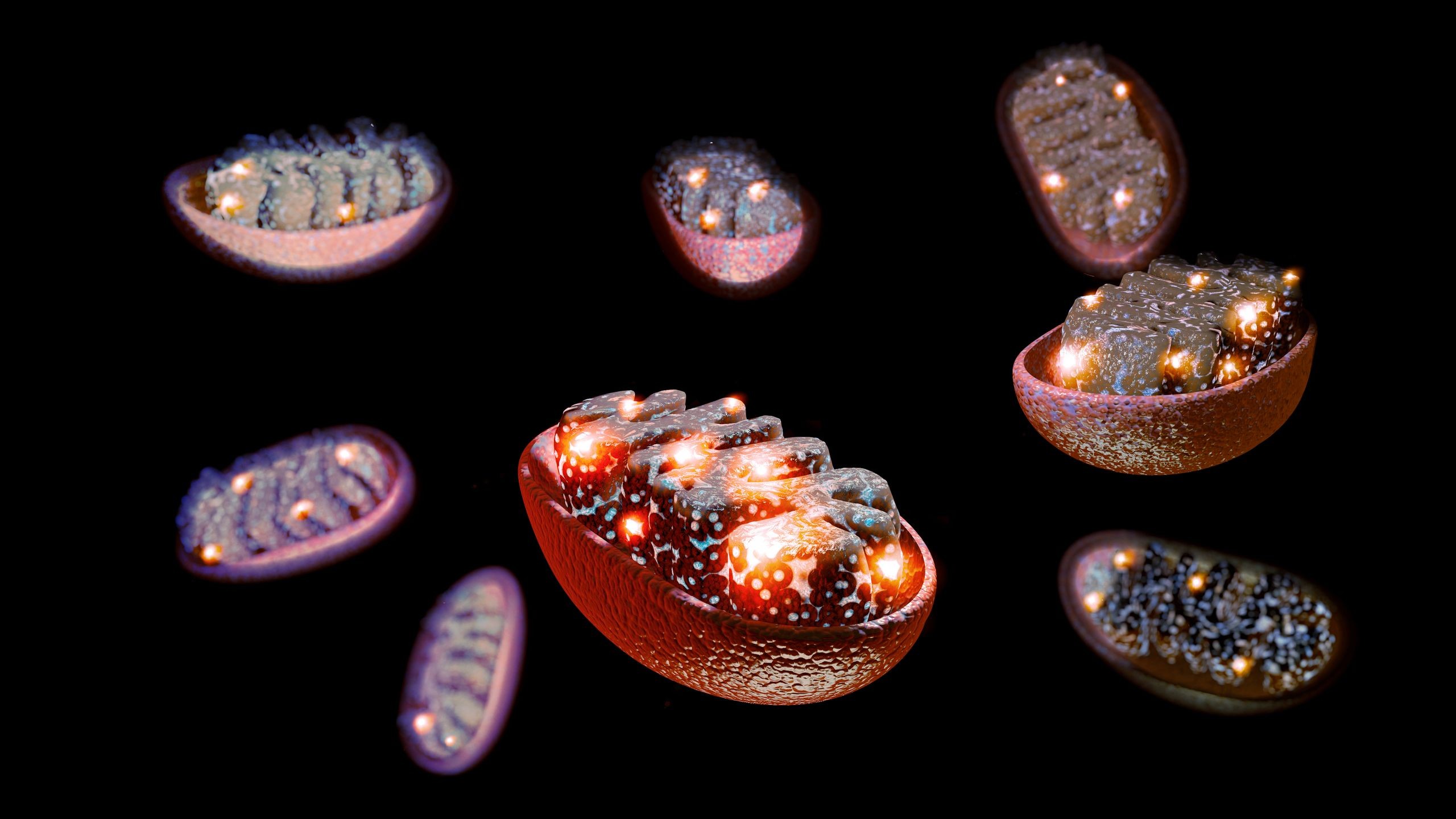
Early research suggests a novel approach to treating chronic nerve pain: directly supplying nerves with fresh mitochondria, the cellular powerhouses. The study, conducted using mouse cells, live animals, and human tissues, reveals a critical but previously overlooked role of support cells in the nervous system. These cells, known as satellite glial cells, actively transfer mitochondria to pain-sensing nerves. Disruptions in this process lead to energy depletion within nerves, causing them to malfunction and trigger chronic pain.
The Energy Crisis in Nerve Cells
Nerves rely on a constant supply of energy to function correctly. When nerves don’t receive enough mitochondria, they can fire spontaneously, even without external stimuli. This erratic activity drives chronic pain and can eventually lead to nerve degeneration. As senior study author Ru-Rong Ji explains, “If you fire like crazy, eventually, that neuron probably will degenerate.” The research, published in Nature, proposes that restoring mitochondrial function could prevent this breakdown.
How Glial Cells Deliver Energy
The study focused on satellite glial cells, which physically wrap around nerve roots near the spinal cord. These cells extend microscopic structures called tunneling nanotubes to deliver mitochondria directly into nerves. This transfer occurs through these tubes, tiny bubbles released by glial cells, or special channels between cell membranes. Researchers tracked the process using fluorescent tags, confirming that mitochondria from glial cells successfully reach nerve fibers.
Disrupting this mitochondrial transfer in mice increased pain sensitivity, confirming its importance. Mice with nerve damage from chemotherapy or diabetes also showed impaired mitochondrial exchange, contributing to chronic pain. Conversely, transplanting healthy glial cells alleviated pain by providing a fresh supply of energy-producing mitochondria.
Unequal Distribution and Future Implications
The study also revealed that larger nerve fibers receive more mitochondria from glial cells than smaller fibers. This preferential distribution remains unexplained but may explain why small fibers are more vulnerable to damage in conditions like diabetes and chemotherapy, leading to symptoms like numbness and burning sensations.
The findings suggest potential treatments focused on boosting glial cell activity to increase mitochondrial transfer, or even directly injecting purified mitochondria into nerves. The research also challenges the traditional view of glial cells as mere “glue” for the nervous system, positioning them as active participants in neuronal function. The ability to transport large organelles like mitochondria through nanotubes indicates a deeper, more interconnected relationship between neurons and glial cells than previously understood.
The study’s implications extend beyond pain management, suggesting a new understanding of how neuronal networks function and how glial cells may play a far more dynamic role in maintaining nerve health.


