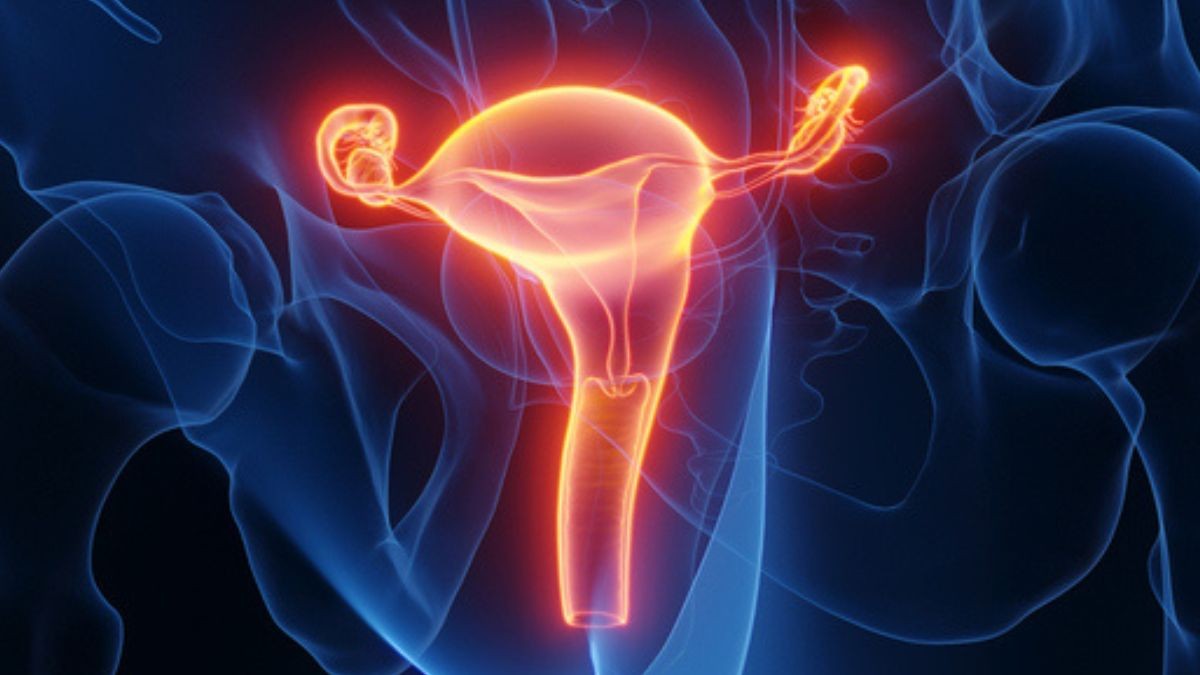
In a groundbreaking medical achievement, a woman in the United Kingdom has given birth to a healthy baby boy following a uterine transplant from a deceased donor. This marks the first such case in the UK and adds to a small but growing number of successful transplants globally. The recipient, identified as Grace Bell, was born without a uterus and previously told she would never be able to carry a child.
The Milestone & Its Significance
Bell’s delivery on December 12, 2025, represents a pivotal moment in reproductive medicine. The procedure offers a viable path to biological parenthood for women born with uterine absence (such as those with Mayer-Rokitansky-Küster-Hauser, or MRKH, syndrome) or who have undergone hysterectomy. While adoption and surrogacy remain options, uterine transplantation provides the unique experience of carrying one’s own child.
The Procedure & Funding
The transplant was facilitated by Womb Transplant UK, a charity led by gynecological surgeon Richard Smith and transplant surgeon Isabel Quiroga. The organization secured funding for the complex seven-hour operation. Following the transplant, hormone therapy induced menstruation, followed by in-vitro fertilization (IVF) to achieve pregnancy.
Global Context & Success Rates
This breakthrough is not isolated. The first successful uterine transplant occurred in 2012, and since then, roughly a dozen babies have been born via deceased donor transplants: including seven in the US, one each in the Czech Republic and Italy, and two in Turkey. A 2024 review indicates live birth rates are comparable between living and deceased donor transplants, with approximately 66% success based on 24 recipients. The procedure has already been performed in Brazil since 2017.
Donor Family’s Perspective
The family of the deceased donor expressed profound pride in their daughter’s legacy, stating that she has “given other families the precious gift of time, hope, healing, and now life.” Their willingness to donate highlights the growing acceptance of organ donation as a means to extend life and build families.
Future Outlook
Womb Transplant UK intends to perform ten transplants in total as part of an ongoing study (INSITU), with clinicians volunteering their time. This research could expand access to uterine transplantation, potentially benefiting an estimated 1 in 5,000 women born with MRKH syndrome and those who have had their uterus removed.
“There are no words to say thank you enough to my donor and her family,” Bell stated, emphasizing the emotional weight of the gift she received.
This case underscores the potential of advanced medical interventions to overcome previously insurmountable reproductive challenges, offering hope and new possibilities for families worldwide.