


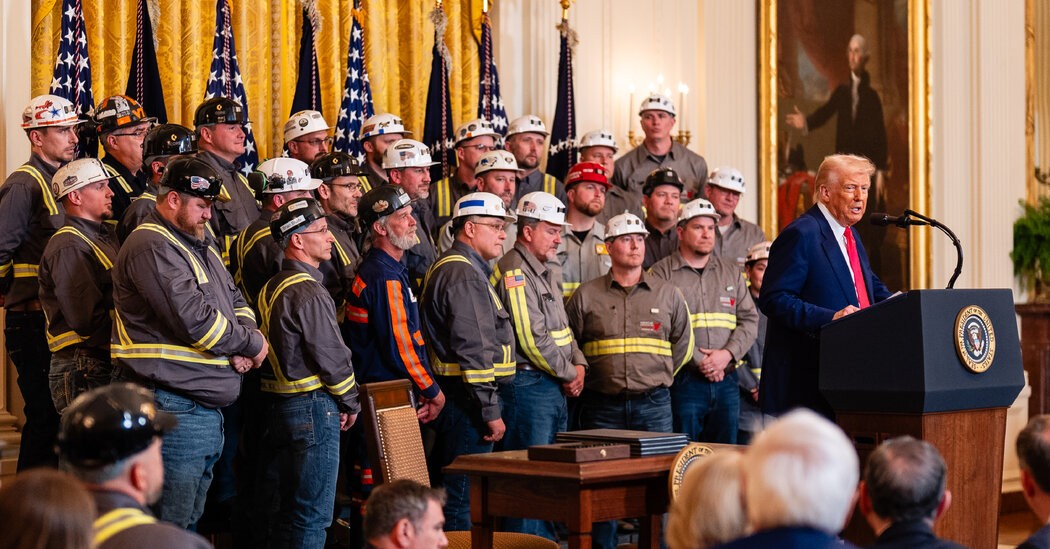
President Trump’s first year in office brought sweeping changes to U.S. energy and climate policy, prioritizing fossil fuels and nuclear power while curbing renewable energy growth. These shifts extended beyond domestic borders, as the administration actively discouraged international efforts to combat global warming.
Dismantling Environmental Regulations
The Environmental Protection Agency (EPA) significantly altered environmental protections by delaying, relaxing, or outright eliminating over a dozen regulations related to air and water pollution, and greenhouse gas emissions. This included efforts to weaken the Clean Power Plan, designed to limit carbon emissions from power plants, and loosening restrictions on methane leaks from oil and gas operations. These changes were not isolated; they were part of a broader pattern of deregulation that impacted various environmental safeguards.
Fossil Fuel Boost and Renewable Energy Constraints
The administration aggressively promoted fossil fuel production through increased drilling leases in federal lands and offshore areas. Simultaneously, policies were implemented to hinder the expansion of wind and solar energy, including increased tariffs on imported solar panels and restrictions on wind farm development. This policy direction signaled a clear preference for traditional energy sources, despite growing concerns about climate change and the economic viability of renewable alternatives.
Disaster Response Overhaul
The federal government’s approach to disaster response was also overhauled, with changes that critics argue reduced the effectiveness of environmental protections during emergencies. Regulations requiring environmental reviews before infrastructure projects were streamlined, potentially accelerating development but also increasing risks to vulnerable ecosystems.
International Pressure
The U.S. administration exerted pressure on other nations to abandon climate commitments, notably by withdrawing from the Paris Agreement and advocating for reduced international cooperation on climate action. This stance isolated the U.S. from global efforts to address climate change, raising questions about the long-term consequences for international relations and environmental sustainability.
These policy shifts represent a fundamental departure from previous administrations’ approaches to energy and climate, signaling a long-term commitment to prioritizing fossil fuel interests over environmental protection. The impact of these changes will likely be felt for years to come, both domestically and globally.


