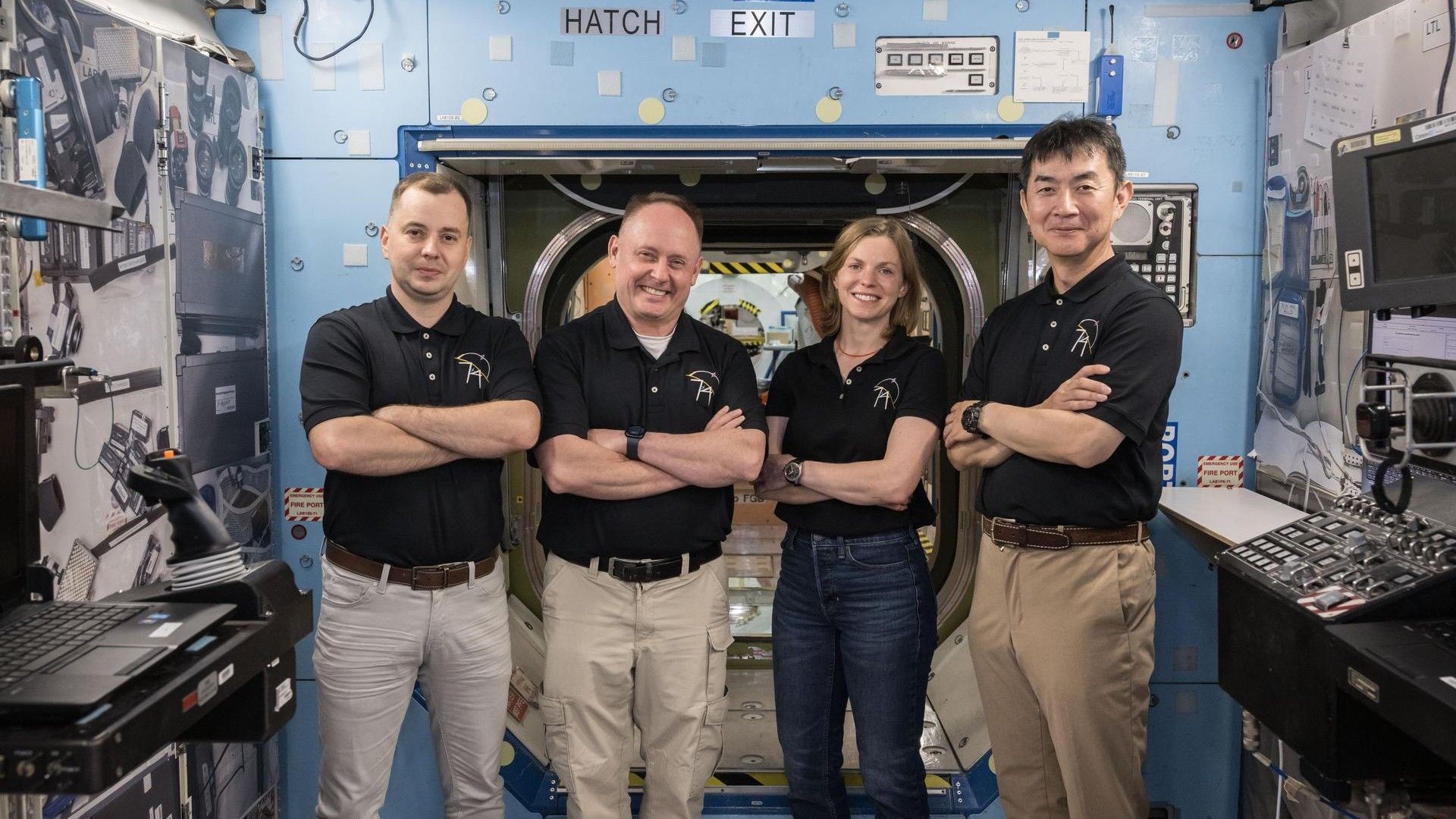
The recent Artemis II mission has once again thrust humanity toward the lunar far side, sparking a profound tension between the awe of space exploration and the complicated realities of life on Earth. As astronauts Christina Koch and her crew traveled 250,000 miles away from home, their experience highlighted a recurring theme in space travel: the “overview effect,” where seeing Earth from a distance fosters a deep, renewed appreciation for our planet’s fragility.
The Legacy of the “Blue Marble”
History shows that space exploration often yields unexpected psychological benefits for humanity. In 1968, the Earthrise photograph captured during the Apollo 8 mission is widely credited with helping catalyze the modern environmental movement. By providing a visual testament to the isolation and beauty of our “blue planet,” space travel has, in the past, served as a unifying force that encouraged global stewardship of Earth.
However, the context of modern spaceflight has shifted significantly:
- From Cold War to Tech Titans: Where the 1960s saw a race for military prestige between the US and the USSR, the current era is defined by the influence of billionaires like Elon Musk and Jeff Bezos.
- New Geopolitical Frontiers: The race is no longer just about flags; it is about resource exploitation and strategic positioning, particularly as the US and China engage in a post-terrestrial power struggle.
- Resource Ambitions: NASA’s goal to place a nuclear reactor on the moon by 2030 signals a transition from pure exploration to the practicalities of long-term lunar habitation and resource extraction.
The Risk of “Techno-Optimism”
There is a growing concern that the massive investment required for programs like the £100bn Artemis project may act as a distraction from pressing terrestrial crises. Critics argue that “techno-optimism”—the belief that technology will eventually solve our problems through colonization or new frontiers—can veer into a form of moral nihilism.
This becomes particularly problematic when the drive to find “new worlds” appears to diminish the urgency required to protect the ecological limits of our current one. The timing of these missions, occurring amidst fluctuating global commitments to climate agreements, raises a vital question: Are we looking to the stars to escape our responsibilities on Earth?
The Value of Scientific Discovery
Despite these political and ethical complexities, the scientific merits of the Artemis II mission remain undeniable. The mission provides critical data that cannot be gathered from Earth:
- Lunar Research: Preparing for future landings and understanding the moon’s geological makeup.
- Resource Exploitation: Investigating the potential for utilizing lunar natural resources.
- Human Biology: Studying the long-term effects of space travel on the human body, including the risks posed by dormant viruses in microgravity.
The success of the mission—which saw the crew navigate a 40-minute communications blackout while on the moon’s far side—is a testament to the dedication of scientists and support teams. This progress often occurs in spite of political volatility, sustained by bipartisan support and the sheer force of human curiosity.
While space exploration will not solve Earth’s systemic problems, the scientific breakthroughs and the sense of wonder it inspires remain invaluable components of the human experience.
Conclusion
The Artemis II mission serves as a powerful reminder of our capacity for extraordinary achievement, even as it highlights the growing divide between cosmic ambition and earthly responsibility. Ultimately, the voyage proves that while we may reach for the moon, our survival remains inextricably linked to the health of the planet we left behind.