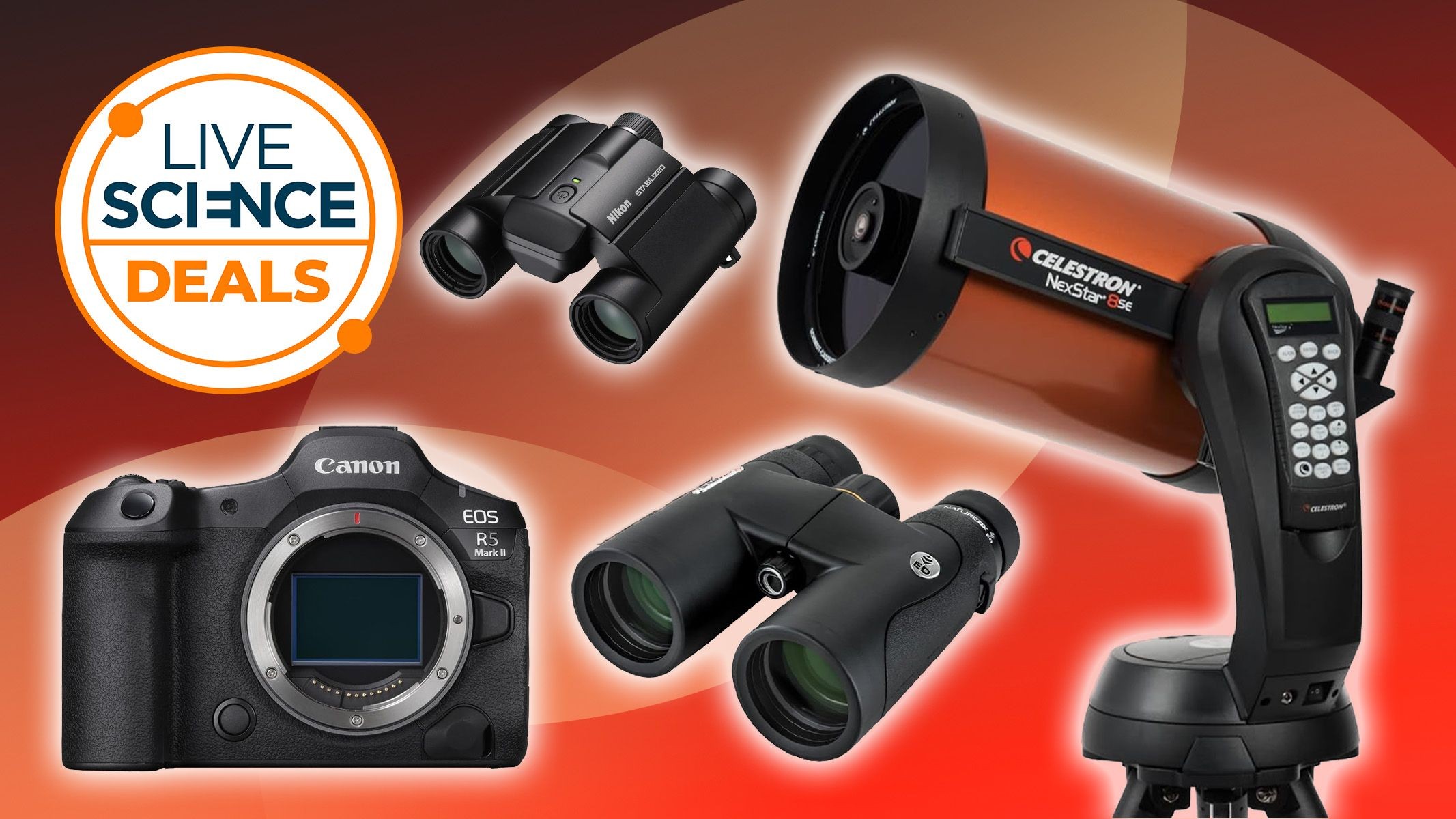
Instead of hoping for the right gift, many serious hobbyists know the best approach is to buy what you want yourself. This is especially true for expensive, personal equipment like cameras, binoculars, and telescopes. The market for nature and stargazing gear is full of options, and trusting someone else to get it right is a gamble few can afford.
Why Self-Gifting Makes Sense
The core issue is specificity. High-end equipment isn’t a one-size-fits-all purchase. A skywatcher knows whether they need a telescope optimized for deep-space exploration or planetary observation. Photographers understand their ISO needs, autofocus preferences, and whether they prefer mirrorless or DSLR systems. Birders will know exactly what magnification and lens coatings they need in their binoculars.
These details matter because the equipment is expensive. Mistakes are costly. A well-meaning gift might miss critical features, leaving the recipient with something inadequate or impractical. Self-gifting ensures you get exactly what you need, not what someone thinks you need.
The Details Matter: Binoculars
Binoculars are a prime example. A pair ideal for astronomy might be too heavy for hiking, while compact travel binoculars might fall short under dark skies. Comfort is also key: weight, balance, eyecup design, and grip all affect usability. These are subjective preferences only you can judge.
Optical preferences vary too. Some prioritize brightness, others edge-to-edge sharpness, or color accuracy. A well-chosen pair can last decades, so taking the time to research and select the right model is a long-term investment.
Telescopes: Beyond Beginner Level
Telescopes add another layer of complexity. Do you want to observe planets, deep-sky objects, or pursue astrophotography? Will it be moved frequently, or stored long-term? Some models are user-friendly, while others require advanced knowledge. A gift that’s too basic may frustrate an aspiring astronomer, while a complex one might overwhelm a beginner.
When spending significant money, compromises are unacceptable. The goal is enjoyment every clear night, and that requires the right equipment.
Cameras: A Personal Ecosystem
Cameras are arguably the most personal purchase on this list. Every manufacturer and camera style has strengths, and ergonomics matter: button layouts, menu styles, and even how your computer handles image files are crucial. If you already have a lens ecosystem, a poorly chosen “upgrade” could force unnecessary changes.
Buying your own camera ensures it matches your skill level, ambition, and existing workflow. This isn’t about being ungrateful for gifts; it’s about maximizing the value of a significant investment.
In conclusion, self-gifting high-end gear isn’t selfish; it’s strategic. It ensures you get precisely what you need, avoids costly mistakes, and guarantees long-term satisfaction. For serious hobbyists, it’s the most sensible way to approach the holiday season.