


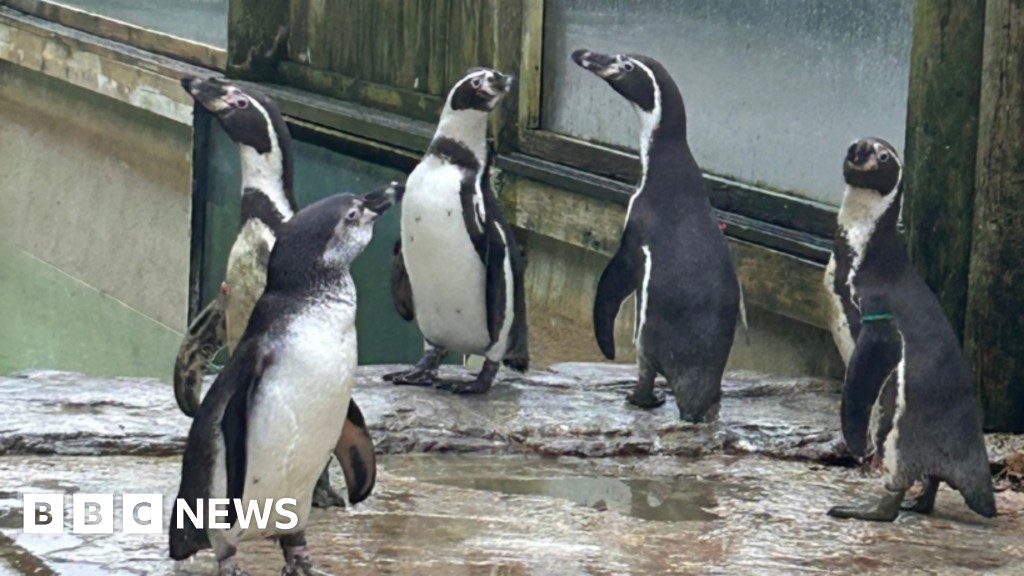
Birdland Park and Gardens in Gloucestershire has welcomed three new male Humboldt penguins as part of a wider effort to protect this vulnerable species. The arrival of the penguins is not just for visitor enjoyment; it supports critical, coordinated breeding programs across Europe aimed at preserving genetic diversity and bolstering wild populations.
Species Under Pressure
Humboldt penguins, native to the coasts of Peru and Chile, are listed as vulnerable by conservation organizations. The species faces mounting pressures from climate change, which disrupts their food sources and breeding cycles, alongside threats from overfishing and habitat destruction. These factors combined have led to declining numbers in their natural range.
The Role of Conservation Zoos
Managed breeding programs within accredited zoos, like Birdland, are increasingly vital to ensure the long-term survival of Humboldt penguins. These programs maintain a healthy, genetically diverse population that can potentially be reintroduced to the wild or serve as a safeguard against extinction.
Birdland’s Global Commitment
The park’s dedication extends beyond its enclosures. Last year, head keeper Alistair Keen joined international scientists in Peru to gain firsthand insights into the challenges facing Humboldt penguins in their natural habitat. This experience underscores Birdland’s active participation in global conservation efforts.
“The arrival of these penguins is part of a larger, international strategy to ensure the species’ future in both South America and within conservation facilities like ours.”
The coordinated approach highlights the growing recognition that protecting endangered species requires collaborative, cross-border initiatives. By contributing to breeding programs and supporting in-situ conservation, Birdland plays a role in preserving this iconic species for generations to come.


