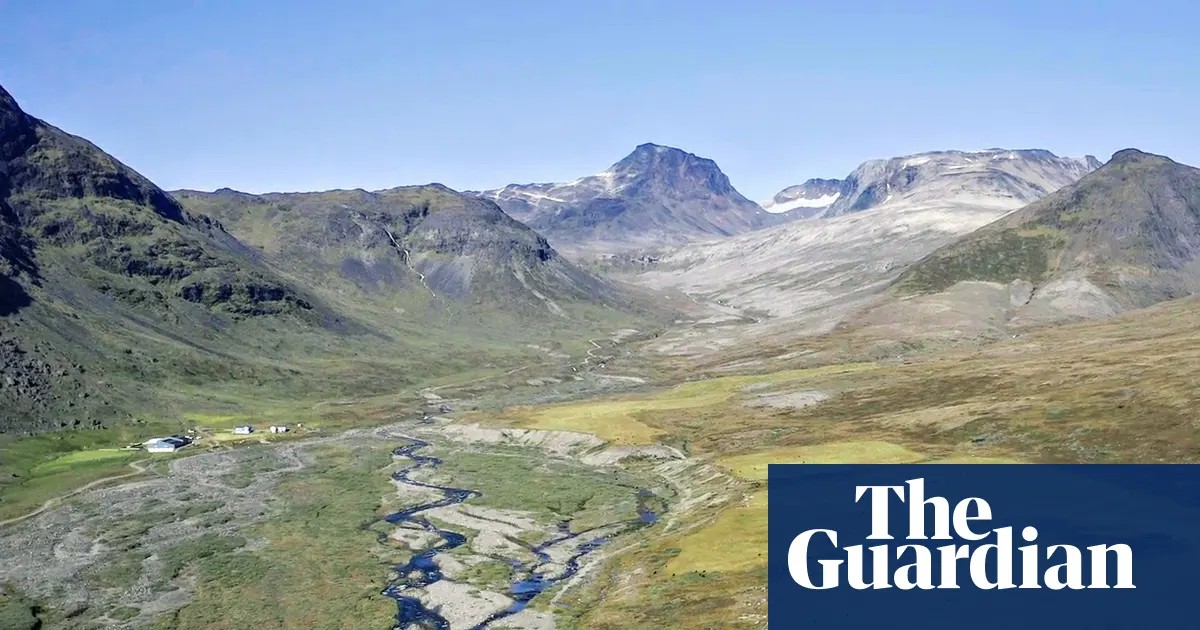
Greenland, the world’s largest island, is increasingly recognized not just for its ice but for its extraordinary wealth of natural resources. The island holds massive deposits of oil, gas, rare-earth elements, gold, diamonds, and even gems—but why did such a concentration of planetary riches end up here? The answer lies in Greenland’s unique and tumultuous geological history.
A History of Geological Upheaval
Over the past four billion years, Greenland has undergone three primary geological processes that have created its resource-rich landscape: mountain building, rifting, and volcanism. These forces combined to form the ideal conditions for storing precious minerals and energy sources.
The Role of Mountain Building
Periods of intense mountain building fractured Greenland’s crust, creating a network of faults and fissures. These geological “highways” allowed molten metals and precious stones—including gold, diamonds, rubies, and graphite —to seep into the rock formations. The process created veins and deposits that are now highly sought after.
Rifting and Fossil Fuel Formation
Around 200 million years ago, as the Atlantic Ocean began to form, Greenland experienced rifting, or the pulling apart of continental plates. This created sedimentary basins capable of trapping vast quantities of oil and gas. These basins acted like underground reservoirs, preserving fossil fuels over millennia.
Volcanism and Rare-Earth Elements
Throughout its history, Greenland has also seen significant volcanic activity. These volcanic eruptions deposited rare-earth elements – critical for modern technology, including smartphones, wind turbines, and electric vehicles – into the island’s rock formations. Greenland’s geology makes it a key supplier in the global high-tech supply chain.
The Future of Greenland’s Resources
Currently, roughly 80% of Greenland is covered in ice, making resource extraction difficult. However, as the planet warms, more of these resources will become accessible. The question of whether to exploit these resources has sparked debate, as unchecked extraction could come at a steep cost to the island’s environment and economy.
Greenland’s geological history has made it a treasure trove of natural resources. Whether these resources are plundered or managed sustainably will determine the island’s future.