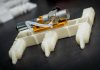
Researchers at Peking University have developed an artificial pancreas that dramatically reduces size and cost compared to existing devices. This breakthrough offers the potential to make life-changing diabetes management technology accessible to a far wider population. Current artificial pancreas systems, while effective, are bulky, expensive, and can be uncomfortable for users. The new design addresses these issues head-on with a miniaturized system costing just $10 to manufacture.
The Problem with Current Artificial Pancreases
Traditional artificial pancreases combine a continuous glucose monitor (CGM), an insulin pump, and control algorithms to automate insulin delivery. While this improves diabetes management by reducing patient burden, these systems typically range from $3,000 to $8,000. This high cost, along with their size and the discomfort of long needles for glucose sensing, limits widespread adoption. The high price point effectively excludes many who could benefit from this technology.
How the New Device Works: A Breakthrough in Miniaturization
The key innovation lies in three areas: the glucose sensor, the insulin pump, and power efficiency.
First, researchers replaced the standard long metal needle with dissolvable microneedles less than 1mm long. These needles painlessly pierce the skin to deploy even smaller microtubes for glucose sensing. Second, they swapped the traditional mechanical insulin pump with an electro-osmotic micropump, which is far smaller and requires significantly less power. Finally, the entire system is stacked into a coin-sized device (1.5cm diameter, 1cm thick, 2 cubic centimeters in volume) using a 3D-printed insulin reservoir. This contrasts sharply with existing systems, which often exceed 100 cubic centimeters.
Performance and Accessibility
Testing in diabetic animals showed the miniature device maintained stable glucose sensing and insulin delivery for three days. Animals kept blood sugar within the target range 68% of the time, comparable to commercial devices (75% time in range). More importantly, with manufacturing costs at just $10 per unit, this technology could disrupt the market. Currently, up to 40% of the price of commercial devices goes toward manufacturing—between $1,000 and $4,000 per unit.
The Path Forward
The researchers estimate FDA approval and practical use are 3-5 years away. Ongoing development will focus on refining control algorithms, enhancing user interface design, and further reducing size and power consumption. This device has the potential to revolutionize diabetes management, shifting care toward at-home healthcare and making a critical technology available to millions who currently cannot afford it.
“We expect that this work would offer important contributions to digital health and wearable devices for diabetes patients, and have the potential to revolutionize conventional diabetes management toward at-home healthcare.” – Yue Cui, Peking University