A scientist’s accidental discovery in the early 2000s has yielded a powerful new drug with the ability to mimic the effects of testosterone and anabolic steroids – including muscle growth – while minimizing side effects. James Dalton, a prolific drug discovery scientist with over 100 U.S. patents and 500 internationally, led the research at the University of Tennessee in Memphis.
The Accidental Breakthrough
During experiments, Dalton’s team observed a striking effect in rats: their prostate glands visibly shrunk after being treated with the new drug. This was a key difference from rats treated with traditional testosterone, where prostate enlargement is a common side effect. Dalton recalled the moment as “euphoric,” highlighting the significance of the finding.
Medical Applications and Potential Benefits
The drug has vast potential medical applications:
– Muscle-wasting conditions: Restoring muscle mass in cancer patients.
– Osteoporosis: Improving bone density and strength.
– Frailty in the elderly: Combating age-related muscle loss.
– Pelvic floor dysfunction: Treating incontinence in women.
These uses represent a major advance in treating debilitating conditions, offering a safer alternative to traditional hormone therapies.
Why This Matters: The Shadow of Sports Doping
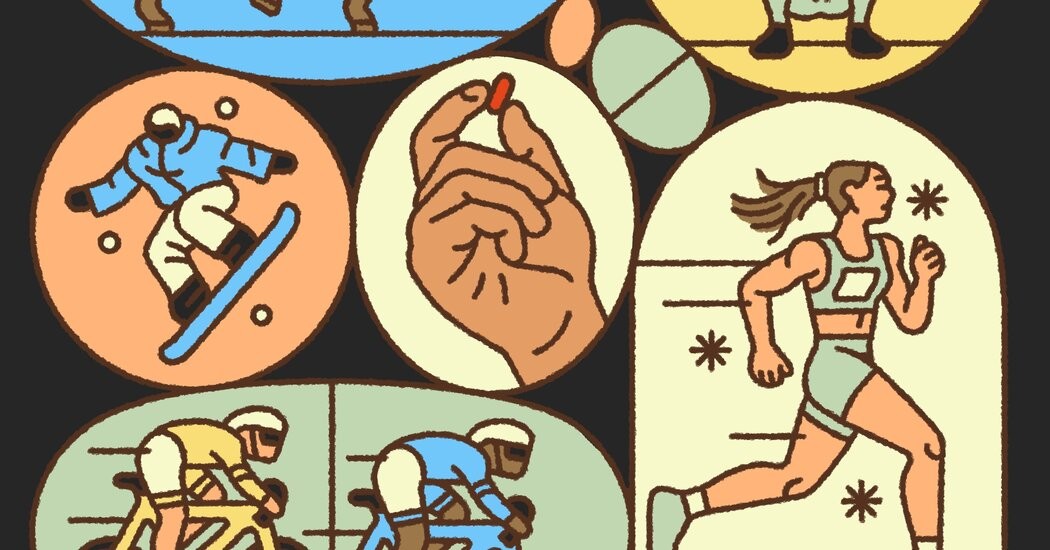
The drug’s ability to enhance muscle growth without the typical side effects of steroids makes it an extremely attractive prospect for athletes seeking an edge. The absence of prostate enlargement, a telltale sign of steroid use, could make detection even harder.
This raises serious concerns about the drug’s potential misuse in competitive sports, where performance enhancement is a constant arms race. The fact that it was developed to solve medical problems does not guarantee it won’t be exploited for illegal doping.
The Future of the Drug
Further research is needed to fully understand the drug’s long-term effects in humans. However, its unique properties suggest it could revolutionize treatment for muscle-related conditions, while simultaneously presenting a new challenge for anti-doping agencies.
The drug’s potential dual use — medical benefit versus athletic enhancement — underscores the complex ethical considerations that often accompany scientific breakthroughs.