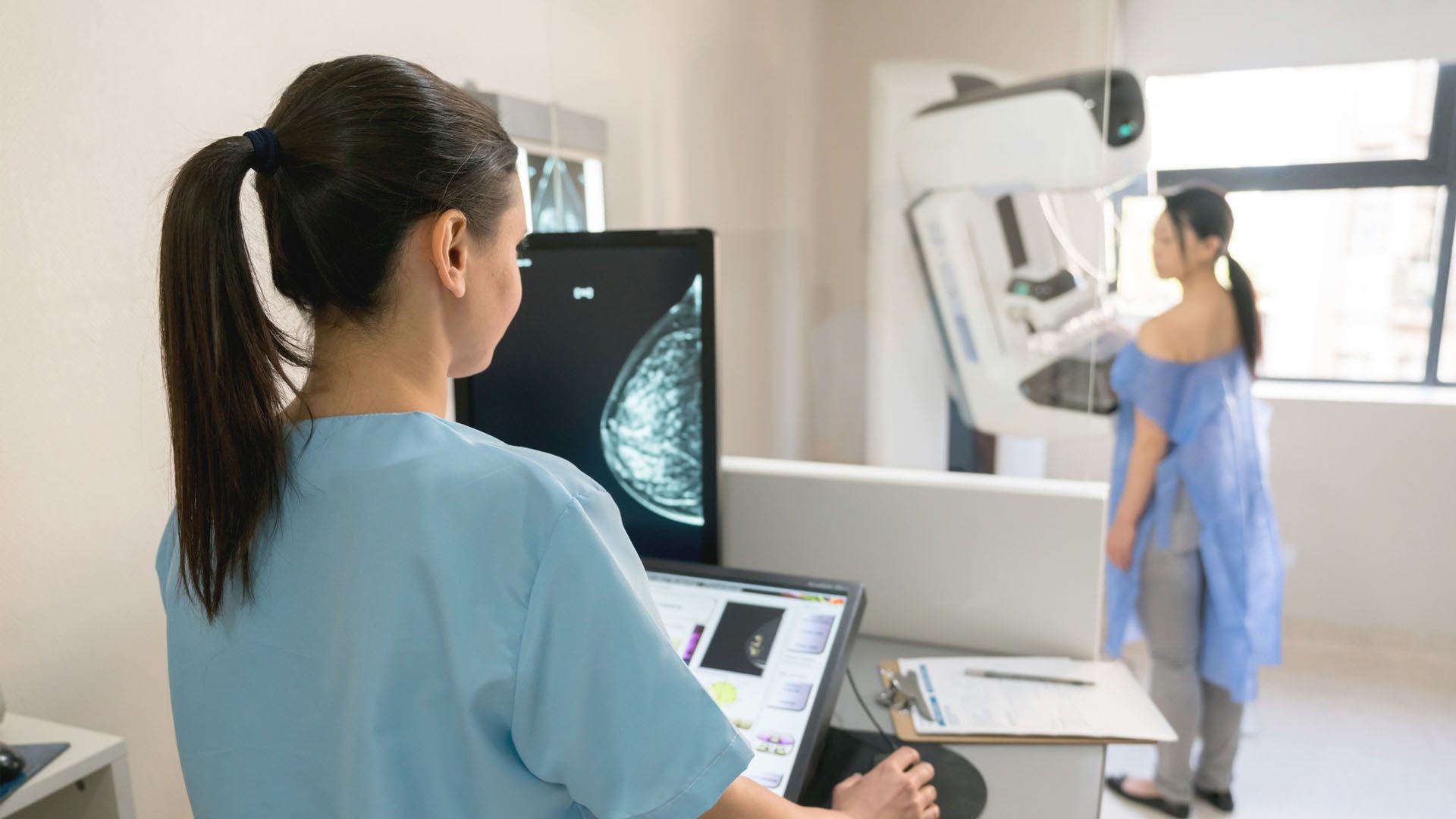
A new clinical trial confirms that artificial intelligence (AI) significantly improves breast cancer screening, leading to earlier detection of tumors and potentially saving lives. The study, published in The Lancet, marks the first time AI has been proven to improve patient outcomes in this critical area of healthcare.
The Evolution of AI in Diagnostics
AI’s role in medicine began roughly a decade ago, initially focused on image analysis. Researchers have trained AI to identify subtle signs of disease in X-rays, MRIs, and tissue samples. Early studies, known as “retrospective” analyses, showed AI could accurately flag cancerous images after a diagnosis was already made. However, these studies couldn’t prove real-world impact. The key was a “prospective” trial – following patients diagnosed with AI assistance over time to see if it actually mattered.
The MASAI Trial: A Gold Standard
Researchers in Sweden conducted just such a trial, the Mammography Screening with Artificial Intelligence (MASAI). Over 100,000 women aged 40-80 participated. The AI system, trained on over 200,000 global examinations, analyzed mammograms and assigned a risk score from 1 to 10. This score then dictated how many radiologists reviewed the image: one for low-risk scans, two for high-risk. The AI also highlighted suspicious areas, making it easier for doctors to confirm findings.
The results were clear: AI-assisted screening detected more clinically relevant cancers than traditional mammography. This means cancers with the potential to spread were identified earlier, allowing faster treatment. More importantly, the trial demonstrated a reduction in “interval cancers” – tumors missed on initial screening but diagnosed within two years. Interval cancers are often aggressive and contribute to worse patient outcomes; reducing their rate directly translates to improved survival.
Why Interval Cancer Rates Matter
Declining interval cancer rates are the best indicator of effective screening. As Dr. Kristina Lång, the study’s lead author, explained, “If we can lower the interval cancers, it will likely have a positive impact on patient outcomes.” The MASAI trial directly supports this: the AI-supported screening caught more cancers that would otherwise have been missed.
Addressing Concerns: False Positives and Overdiagnosis
Cancer screening isn’t without drawbacks. False positives (incorrectly identifying cancer) can cause unnecessary stress, and overdiagnosis (detecting slow-growing tumors that never pose a threat) can lead to harmful treatments. Crucially, the MASAI trial found that AI-assisted screening did not increase false positives while improving cancer detection. This means the technology offers benefit without added harm.
The Radiologist Shortage and the Future of Screening
A looming crisis in healthcare is a shortage of qualified radiologists. In some regions, access to expert mammogram readers is limited. AI doesn’t suffer from fatigue or burnout; its performance remains consistent. “The workforce issue is real, and this [study] could have an impact,” says Dr. Richard Wahl, a radiation oncologist not involved in the study. “I think people will gradually be interested in having AI-aided interpretation as a second set of eyes.”
Expanding Access to Screening
The impact extends beyond developed countries. Dr. Lång’s team is launching a trial in Ethiopia, using AI to support rapid breast cancer assessment via bedside ultrasounds in regions lacking radiologists. This could provide life-saving screening to women who currently have limited access to care.
The integration of AI into mammography screening represents a significant step forward in cancer detection, offering the potential to reduce mortality rates and improve patient outcomes globally. The technology doesn’t replace radiologists, but rather augments their abilities, ensuring more accurate and efficient screenings for all.