Researchers propose a radical, yet potentially effective, method of carbon sequestration: felling boreal forests and sinking the timber into the Arctic Ocean. This strategy aims to leverage natural processes to remove up to 1 billion tonnes of carbon dioxide from the atmosphere annually – a substantial contribution to mitigating climate change.
The Logic Behind Submerged Forests
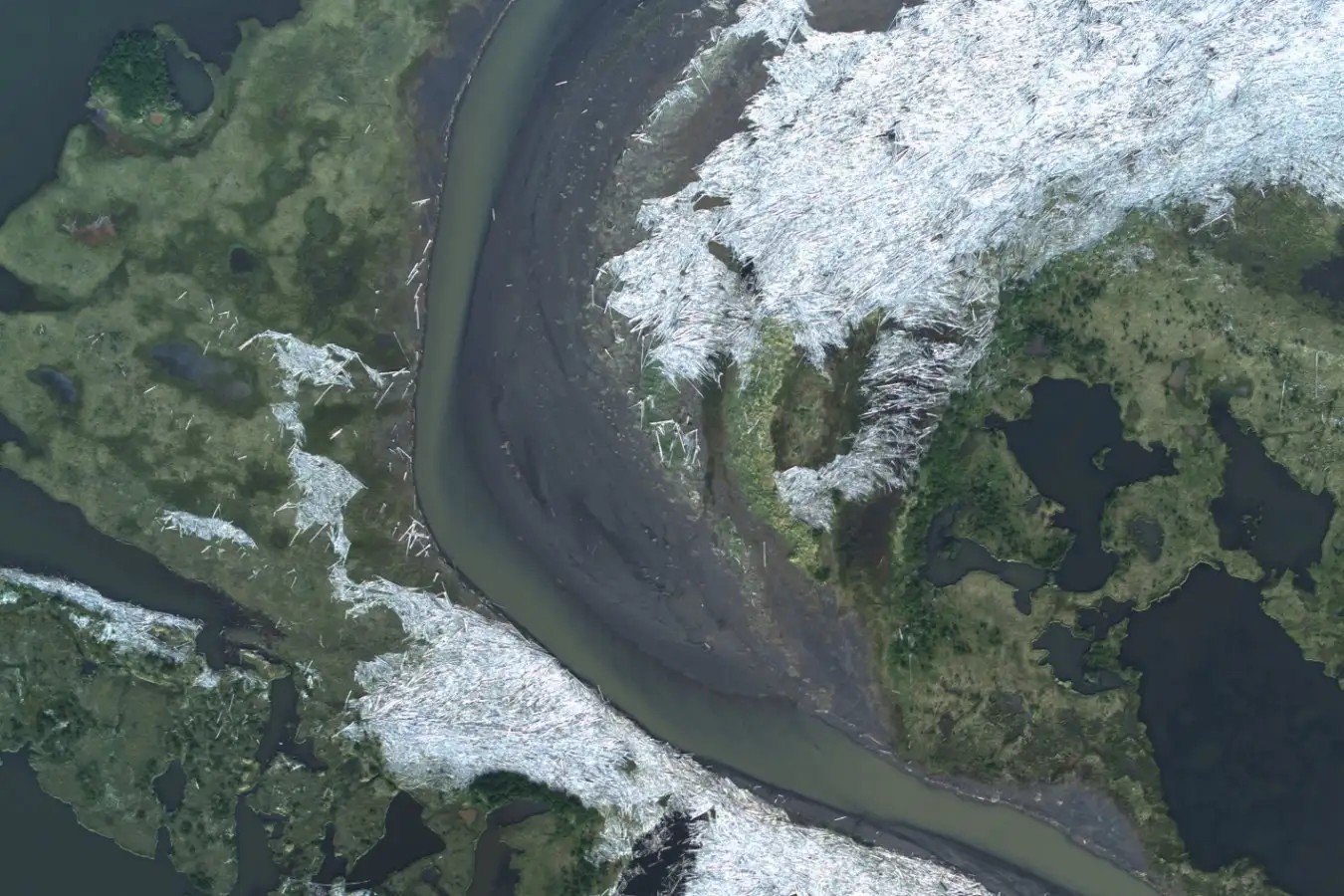
The idea builds on the fact that boreal forests, particularly those prone to wildfires, store massive amounts of carbon (estimated at up to 1 trillion tonnes across northern Eurasia and North America). As global warming intensifies, these forests face increasing wildfire risks, releasing this stored carbon back into the atmosphere. Instead of letting that happen, the proposal suggests actively transporting felled trees via major Arctic rivers (like the Yukon and Mackenzie) to the ocean, where they would sink within a year.
This isn’t theoretical. Wood has been found preserved in cold, oxygen-poor Alpine lakes for over 8,000 years, proving long-term carbon stability in similar environments. Current estimates show that Arctic rivers already carry substantial driftwood – some deltas hold over 20 million tonnes of carbon in beached logs.
Scalability and Potential Impact
The researchers calculate that logging and replanting 30,000 square kilometers along each river annually could sequester 1 billion tonnes of CO2. The replanting aspect is critical: allowing the forest to regrow absorbs atmospheric carbon while the sunk timber remains stored underwater. This approach is presented as a lower-cost alternative to expensive direct air capture machines or unreliable tree-planting initiatives prone to wildfires.
Ecological Concerns and Unintended Consequences
However, the plan is not without risks. The environmental effects of large-scale timber transport are significant:
- River Ecosystems: Ellen Wohl of Colorado State University warns that massive log flows can severely damage river biodiversity, much like the lasting impacts seen in some US rivers after decades of timber floating.
- Permafrost Thaw: If logs get trapped on shorelines or in tributaries, they could exacerbate flooding and stimulate methane release from thawing permafrost – a potent greenhouse gas.
- Decomposition Risks: Some areas may not be cold or oxygen-poor enough to prevent wood decomposition, releasing CO2 instead of sequestering it.
- Commercial Abuse: Roman Dial of Alaska Pacific University fears the proposal could be exploited by commercial logging interests, leading to deforestation without net carbon benefits.
Historical Precedent and Future Research
The concept isn’t entirely new. Some companies have already experimented with sinking wood, though with mixed results (Running Tide, for example, faced accusations of environmental damage and ultimately shut down). However, Morgan Raven of UC Santa Barbara points to Earth’s history, suggesting that massive wood influxes into oceans may have cooled the planet after past hothouse climates (like 56 million years ago).
Further research is needed to identify optimal seafloor locations for long-term preservation. The Arctic remains a poorly understood environment, and unintended consequences could be severe.
Ultimately, sinking forests represents a high-risk, high-reward strategy for carbon sequestration. While it offers a potentially scalable solution, its ecological and logistical challenges demand careful consideration before implementation.