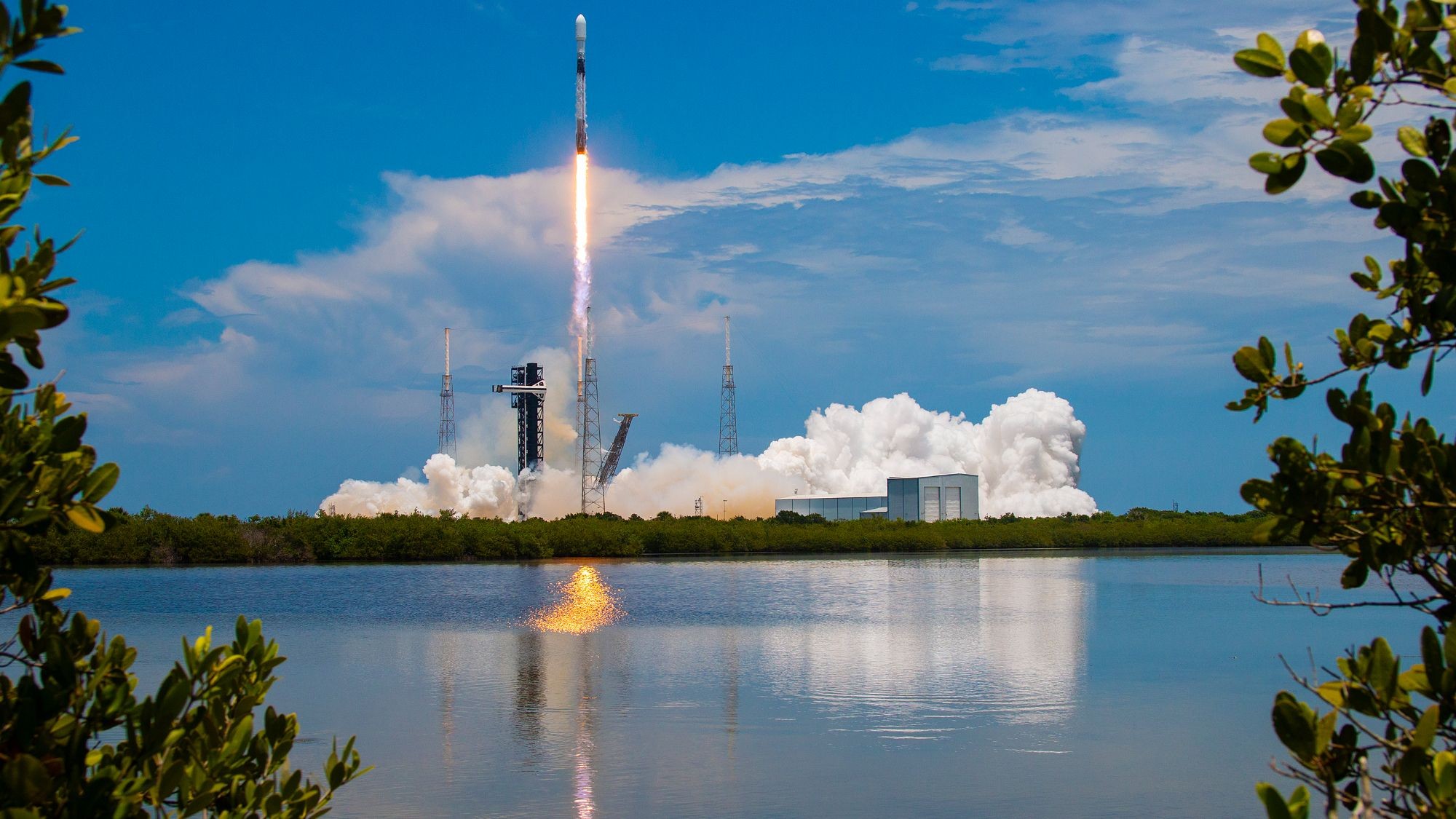
SpaceX successfully launched an advanced GPS satellite for the U.S. Space Force on January 27th from Cape Canaveral Space Force Station in Florida. The launch, initially delayed due to weather, utilized a Falcon 9 rocket to deliver the GPS III-SV09 spacecraft to orbit. The event was broadcast live via SpaceX’s website and social media channels.
Key Satellite Features and Purpose
The GPS III-SV09 satellite, manufactured by Lockheed Martin, incorporates M-Code technology. This enhancement makes the satellite more resilient against jamming, a critical improvement for military and civilian applications that rely on precise positioning. The GPS III series represents a significant upgrade over previous generations, providing enhanced accuracy and security.
Strategic Flexibility in Launch Contracts
The Space Force demonstrated adaptability by shifting the mission from United Launch Alliance’s Vulcan Centaur rocket to SpaceX’s Falcon 9. As stated by U.S. Space Force Col. Ryan Hiserote, this shift underscores a commitment to programmatic flexibility, allowing for adjustments based on evolving needs. This move highlights the military’s strategy of diversifying launch providers and prioritizing responsiveness in space operations.
“Our commitment to keeping things flexible… means that we can pivot when necessary to changing circumstances.” – Col. Ryan Hiserote
Honoring Fallen Astronauts
The satellite has been named in memory of Ellison Onizuka, a former U.S. Air Force Colonel and NASA astronaut who perished in the Challenger disaster in 1986. This practice of naming GPS satellites after pioneers in space exploration continues with other missions, like GPS III-SV05 being dedicated to Neil Armstrong and GPS III-SV07 to Sally Ride.
Falcon 9 Reusability
This launch marked the fifth flight for the Falcon 9’s first stage booster, which successfully landed on SpaceX’s drone ship “A Shortfall of Gravitas” in the Atlantic Ocean approximately 8.5 minutes after liftoff. This demonstrates SpaceX’s continued progress in reusable rocket technology, driving down launch costs and increasing operational efficiency.
The satellite was deployed into medium-Earth orbit approximately 90 minutes after liftoff, completing a critical step in upgrading the U.S. GPS constellation.
This launch reaffirms the importance of resilient satellite infrastructure for national security and underscores the growing synergy between government and commercial space industries. The successful deployment of GPS III-SV09 ensures continued access to accurate and secure positioning, navigation, and timing data for both military and civilian users.