A deadly meningitis outbreak in the U.K. and escalating tensions in the Middle East are converging to create significant global risks. While seemingly unrelated, these events highlight vulnerabilities in both public health infrastructure and essential supply chains.
Meningitis Resurgence in the U.K.
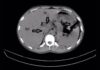
An aggressive outbreak of meningitis B (MenB) has struck a university in Kent, England, resulting in two fatalities and at least thirteen confirmed infections. The disease, caused by Neisseria meningitidis bacteria, spreads through close contact and can rapidly become life-threatening.
The severity of this outbreak is linked to the timing of the U.K.’s MenB vaccination program, which only became standard for children after 2015. This means that many current university students, who would have been born before the program was fully implemented, remain unprotected. This demonstrates the long-term consequences of delayed or incomplete public health interventions.
Iran’s Strait of Hormuz: A Fertilizer Crisis in the Making
Simultaneously, escalating tensions involving Iran and its potential closure of the Strait of Hormuz—a critical oil transit route—are triggering a severe, yet often overlooked, crisis in global food production. The Strait facilitates roughly 20% of the world’s liquefied natural gas (LNG) supply, which is the primary ingredient in urea, a crucial fertilizer.
Disrupting LNG flow doesn’t just spike energy prices; it threatens an agricultural shock that could make basic food staples unaffordable for millions. While fossil fuel markets dominate headlines, the fertilizer link represents a silent, impending catastrophe. This illustrates how geopolitical instability can rapidly cascade into widespread food insecurity.
Key Trends and Scientific Updates
- Mental Health: New research from CNN challenges the notion that marijuana effectively treats anxiety or other mental health conditions.
- Cancer Deaths: Colorectal cancer is now the leading cause of cancer deaths in the U.S. for individuals under 50, signaling a shift in disease patterns.
- Climate Change: A study in Live Science reveals the Cerrado savanna in Brazil stores an immense amount of carbon, making its protection critical for mitigating climate change.
Word of the Day: Adlocutio
The Latin term adlocutio (“speaking to”) was used in ancient Rome to describe a general’s address to troops. The equestrian statue of Marcus Aurelius in Rome provides an iconic example, with his outstretched arm signifying command.
Final Thought
“If a bird flew to you in your backyard and offered to change your life in a beneficial way, would you even be paying enough attention to notice?”
This quote from Rob Dunn, an applied ecology professor at North Carolina State University, encapsulates the need for heightened awareness in a world where interconnected crises demand urgent attention. Both the meningitis outbreak and the fertilizer crisis underscore that global systems are fragile, and seemingly distant events can have catastrophic consequences.