


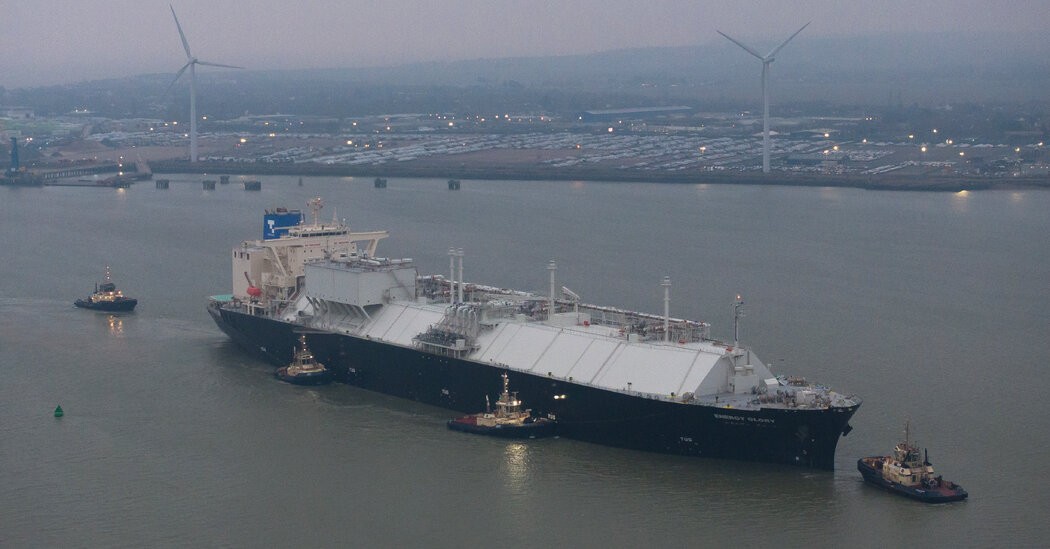
The United States government is actively seeking an exemption from upcoming European Union regulations designed to drastically reduce methane emissions from imported oil and gas. U.S. officials have reportedly communicated to their European counterparts that the EU law poses a financial and logistical burden on American energy companies, and could disrupt gas supplies to Europe.
Pressure Tactics and Concerns
According to four anonymous EU and U.S. officials familiar with the discussions, the Trump administration views the methane regulations as “costly, confusing, and a threat to American gas supplies.” The U.S. is requesting that American oil and gas firms be shielded from penalties under the law, short of its outright repeal. This demand was outlined in a document circulated among European energy ministers prior to a recent meeting in Brussels.
The EU law, set to take effect in phases, requires importers to prove by 2027 that their oil and gas adheres to stringent monitoring standards. By 2030, all imports must be produced with low methane emissions – though the exact limits are still under debate.
Why This Matters
Methane is a far more potent greenhouse gas than carbon dioxide over the short term, making its reduction critical to combating climate change. The EU law represents one of the first attempts to regulate imported emissions, aiming to hold producers accountable for environmental impacts beyond their own borders.
The U.S. pushback raises questions about the viability of such international regulations. If major exporting nations like the U.S. are exempt, the effectiveness of the law is undermined. It also highlights a growing tension between climate policy and energy security, particularly as Europe seeks to diversify its gas supplies away from Russia.
Industry Implications
The law requires U.S. companies selling to Europe to actively monitor and report emissions, as well as repair methane leaks. If exempted, they would avoid these costly measures, potentially giving them a competitive advantage while undermining the EU’s climate goals. This situation sets a precedent: if exemptions are granted now, other nations may demand similar treatment in the future.
The U.S. effort to circumvent the EU law underscores a broader resistance to international climate standards, particularly from nations heavily reliant on fossil fuels. The outcome of these negotiations will be a test of Europe’s resolve to enforce its environmental regulations.
In essence, the U.S. is prioritizing its energy industry’s short-term financial interests over a critical global effort to curb greenhouse gas emissions. The EU now faces a difficult choice: enforce its law or concede to pressure from a key trading partner.


