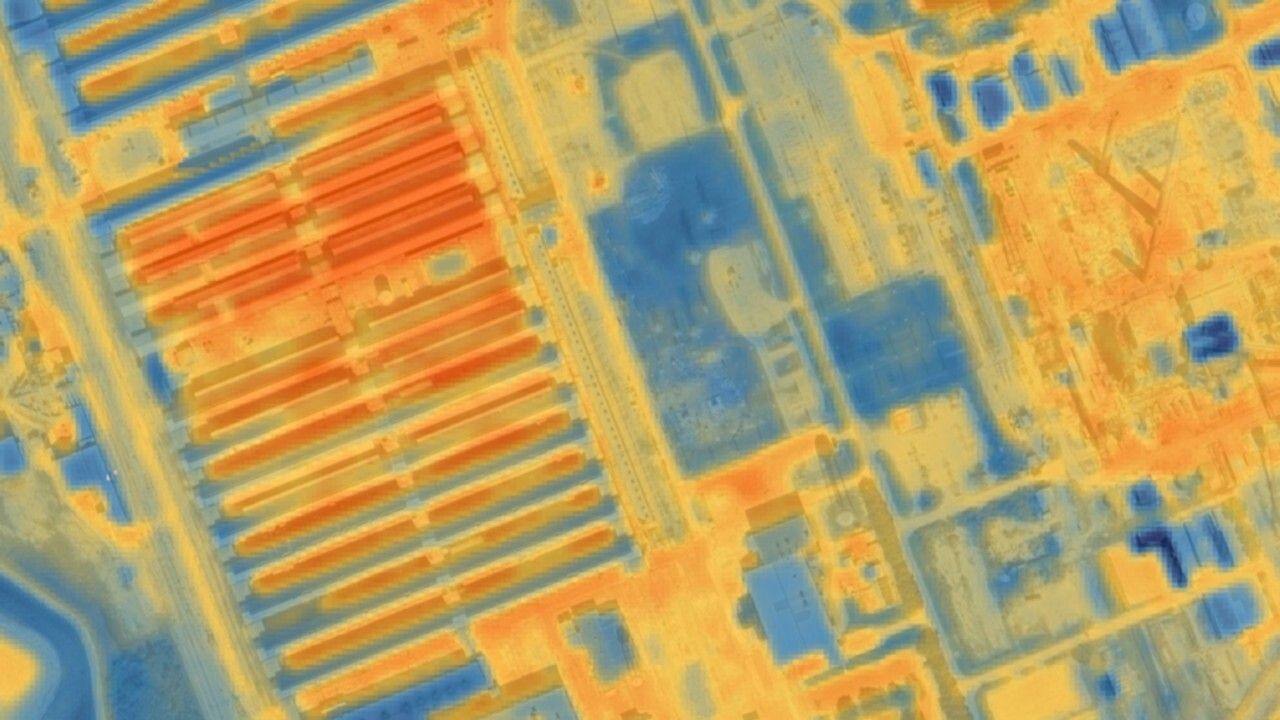
New satellite imagery reveals significant heat leakage from one of the largest cryptocurrency mining facilities in the United States, located in Rockdale, Texas. The images, captured by U.K.-based SatVu’s heat-seeking satellite, provide unprecedented thermal data on the environmental impact of large-scale Bitcoin mining operations.
Thermal Footprint of Energy-Intensive Operations
The facility, widely believed to be operated by Riot Platforms, consumes approximately 700 megawatts of electricity – enough to power roughly 300,000 homes. The satellite images, with a 3.5-meter resolution, show clear thermal signatures emanating from rooftop chillers, transformers, and electrical yards. This detailed view allows observers to identify active versus dormant sections of the plant, providing an objective measure of real-time operational behavior.
Why This Matters: Transparency in a Growing Industry
This level of granular thermal data is crucial because Bitcoin mining is notoriously energy-intensive. The industry’s rapid expansion necessitates better monitoring methods. As SatVu VP Thomas Cobti explains, “Thermal data gives an objective view of operational activity as it occurs – not weeks later through reports or announcements.” This transparency is vital for regulators and grid operators seeking to understand the actual environmental and grid impacts of these facilities.
Satellite Technology and Future Implications
SatVu’s HotSat-1 satellite, though now defunct after failing in December 2023, demonstrated a thermal imaging capability far superior to existing orbital temperature-measuring devices. The company plans to launch HotSat-2 next year, followed by HotSat-3, ensuring continued high-resolution thermal monitoring.
The company’s earlier releases in October 2023 showed heat trails from locomotives and the thermal spread from concrete parking lots in Las Vegas, proving the technology’s versatility. Now, with this new image, SatVu is illustrating how satellite-based thermal monitoring can objectively track a fast-growing and controversial sector.
“At a closer level, [the image] reveals which substations and cooling systems are under load — clear, physical indicators of real operational behavior.”
This objective evidence could reshape how we evaluate the true cost of cryptocurrency mining, forcing greater accountability from operators and potentially influencing future regulatory frameworks.
The release of this data marks a significant step towards real-time environmental monitoring of energy-intensive industries, and may compel greater transparency across the sector.