
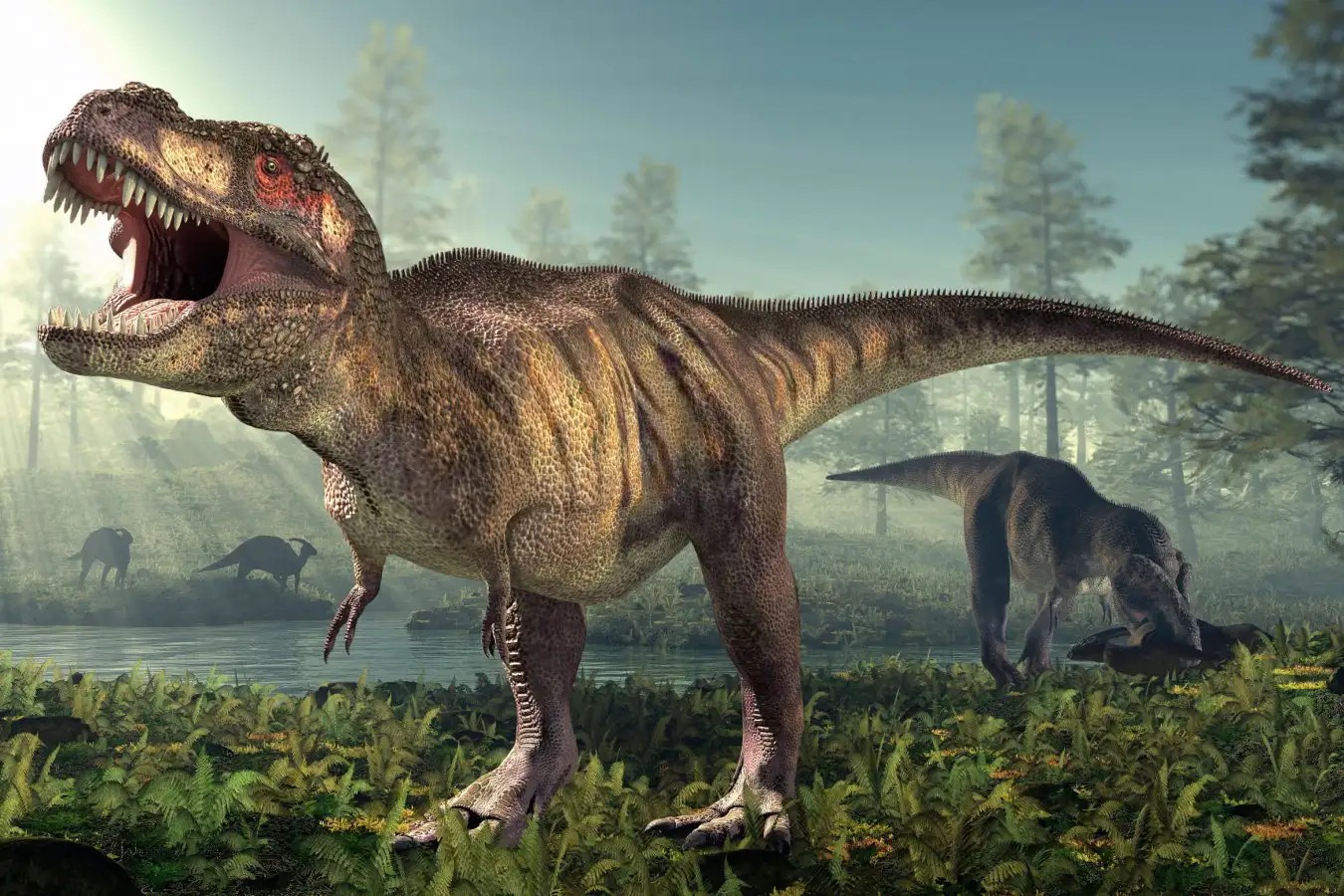
New research analyzing the largest collection of Tyrannosaurus rex fossils to date reveals the iconic predator took significantly longer to mature than previously believed. The study, led by Holly Ballard at Oklahoma State University, suggests T. rex didn’t reach its full weight of approximately 8 tonnes until around 35 to 40 years of age.
A Shift in Understanding Dinosaur Growth
For decades, paleontologists operated under the assumption that T. rex reached peak size in about 20 years, with a relatively short lifespan of around 30 years. These conclusions were drawn from limited fossil data – at most seven specimens – gathered in the early 2000s. Ballard’s team has dramatically expanded that dataset, examining the thigh and shin bones of 17 individuals spanning all growth stages.
The key to this new analysis lies in studying bone microstructure. Like tree rings, bones lay down growth rings annually. However, these rings fade as the bone marrow cavity expands with age. Access to a larger sample allowed researchers to piece together a more complete growth timeline.
Implications for Species Debate
This prolonged growth rate also reignites a long-standing debate about whether T. rex was a single species or if smaller specimens represent a distinct, more diminutive relative: Nanotyrannus. Two specimens in the new study grew more slowly than others, raising the possibility they either belonged to a separate species, were sick or injured, or were stunted due to environmental factors.
“We propose, based on their growth differences, they are either a different species, or perhaps they are sick or injured T. rex, or perhaps dwarfed for some environmental reason,” says Ballard.
Broader Impact on Paleontology
Lindsay Zanno, from the North Carolina Museum of Natural Sciences, calls the study the most thorough examination of Tyrannosaurus growth to date. She notes it strengthens existing evidence for Nanotyrannus lancensis as a separate species. Meanwhile, Thomas Carr of Carthage College predicts this research will force paleontologists to re-evaluate growth estimates for other dinosaur species.
“I expect that the estimates of growth curves of other dinosaurs will now have to be revisited,” says Carr. “Overall, we’ll see a shift in our understanding of dinosaur development across the board.”
The study ultimately shows that T. rex grew slower and more variably than scientists once thought, and that few individuals reached their maximum potential lifespan. The most successful specimens likely lived to around 40, but reaching that age was rare. This revised timeline clarifies not only T. rex biology but also sets a new standard for dinosaur growth research.