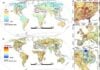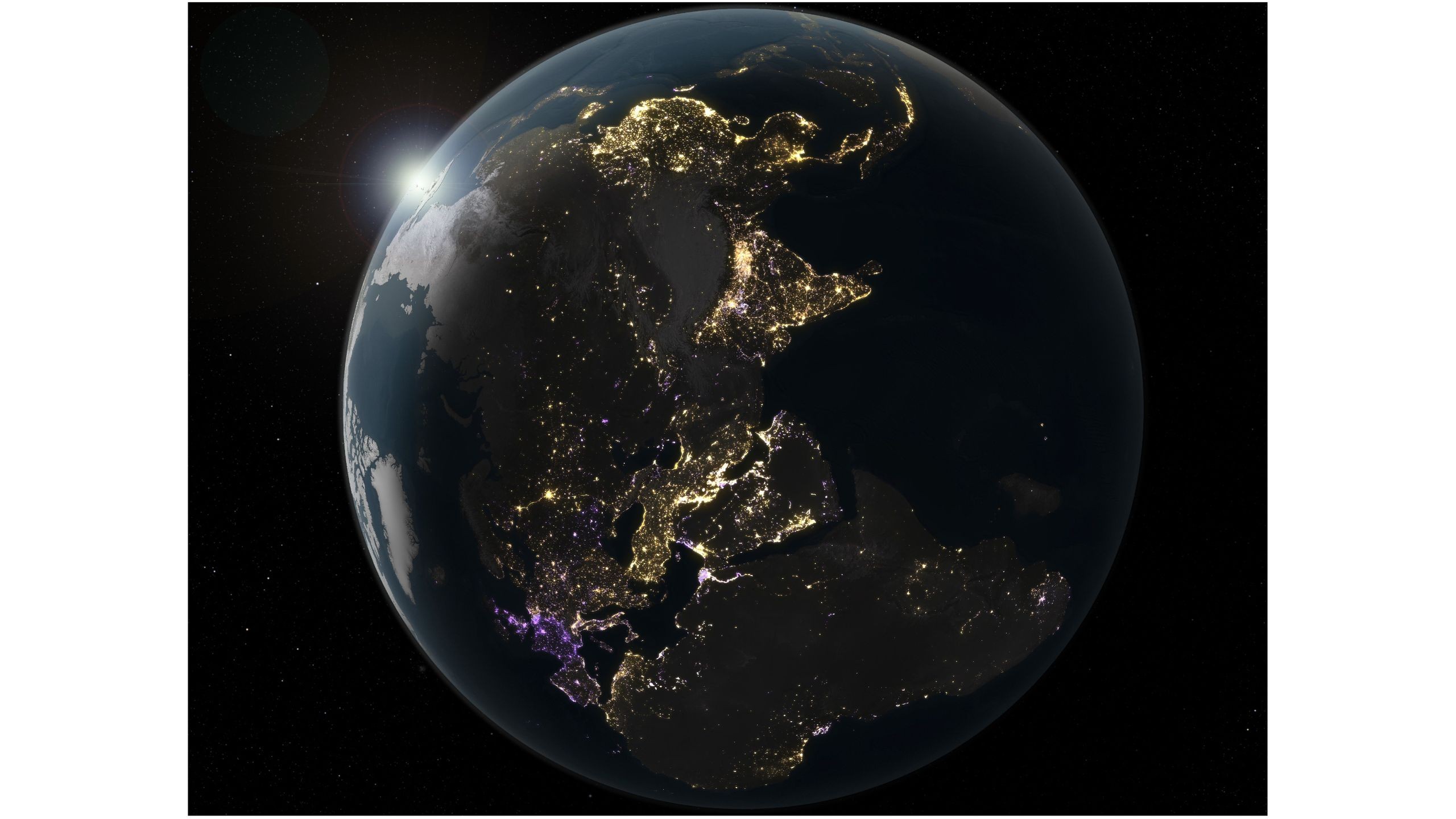
A recent study utilizing satellite imagery has revealed that Earth’s artificial nighttime brightness increased by 16% between 2014 and 2022. However, the data suggests a more complex reality than a simple, steady brightening. Instead, the planet is “flickering”—a pattern of growth interrupted by conflict, natural disasters, and deliberate policy shifts.
The Dual Reality of Global Lighting
While the overall trend shows a brighter world, the researchers identified two opposing movements occurring simultaneously:
- The Brightening Trend: This is primarily driven by rapid development in emerging economies, including India, China, and parts of Africa. In these regions, increased light serves as a proxy for economic progress, signaling expanded electric grids and improved access to power.
- The Dimming Trend: Conversely, the areas experiencing a reduction in light are growing in size at an accelerating pace. This dimming is caused by two very different factors:
- Sudden Disruptions: Wars and natural disasters that knock out power infrastructure.
- Intentional Policy: Energy-saving initiatives and light pollution regulations in developed nations.
Lighting as a Real-Time Mirror of Global Events
The study, led by Zhe Zhu of the University of Connecticut, utilized NASA’s Black Marble tool to monitor these changes with unprecedented temporal detail. Because satellite data can capture shifts in light almost in real-time, it acts as a global indicator of human and environmental stability.
The researchers noted several specific examples of this “flickering” effect:
– Conflict: A dramatic decline in light was observed in Ukraine following the 2022 Russian invasion, and frequent fluctuations were noted in Palestine corresponding to flare-ups in warfare.
– Natural Disasters: Major events, such as hurricanes in Puerto Rico, caused significant, long-lasting dips in light signatures.
– Policy Success: In France, artificial light decreased by a staggering 33% due to effective energy-saving policies. In contrast, the United States continues to see an overall increase in brightness.
The “Blue Light” Blind Spot in Satellite Data
A critical finding of the study involves a potential discrepancy between what satellites see and what humans experience. Most modern cities are transitioning from high-pressure sodium lamps (which emit a warm, orange glow) to LED technology (which emits a blue-tinged light).
This transition creates a technical paradox:
“When a city converts a street from high-pressure sodium to white LED, then a person would say it got brighter, but the satellite would say it got darker.” — Christopher Kyba, Ruhr University Bochum
Because the VIIRS sensors used by NASA are less sensitive to wavelengths below 500 nm (blue light), the satellite may underreport the actual brightness perceived by humans on the ground. This suggests that the actual impact of light pollution on our environment and health might be even higher than the 16% figure indicates.
The Hidden Costs of a Brighter World
While increased lighting is a sign of economic prosperity and improved living standards in developing regions, it carries significant ecological and biological costs. The “incessant glow” of modern civilization has several profound consequences:
- Human Health: Disruption of circadian rhythms and sleep quality.
- Ecosystem Disruption: Interference with the natural biorhythms of plants and animals.
- Astronomy: The erasure of the night sky, forcing astronomers to relocate to increasingly remote areas to observe the cosmos.
Conclusion
Earth’s nighttime brightness is a fluctuating indicator of human activity, reflecting a tug-of-war between economic expansion and the disruptive forces of war, disaster, and environmental policy. While more light often signals prosperity, the technical limitations of our monitoring tools may be masking an even more intense rise in light pollution.