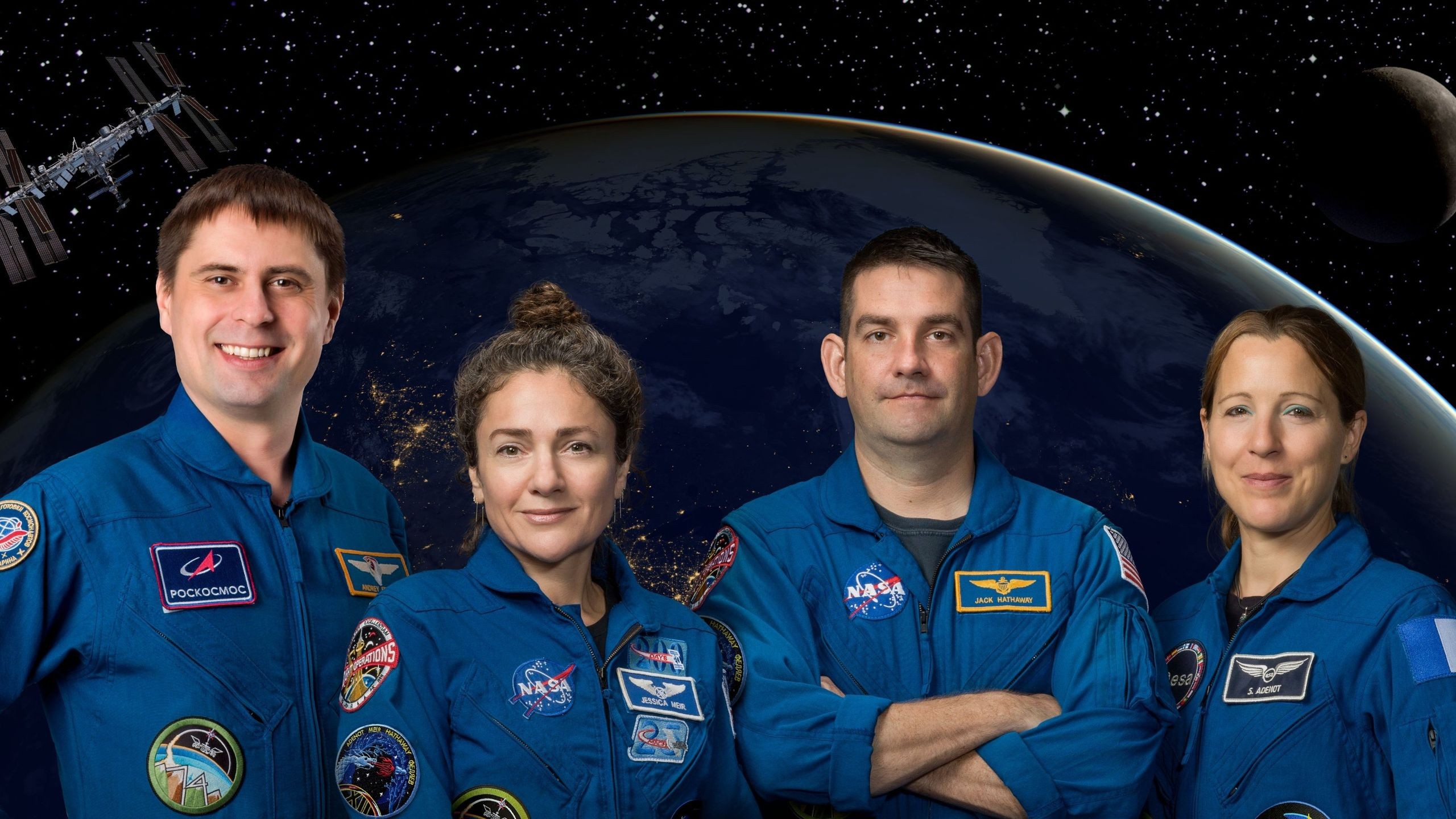
NASA and SpaceX are accelerating the launch of the Crew-12 mission to the International Space Station (ISS) to February 11, providing much-needed reinforcements after an unprecedented medical evacuation forced the early return of Crew-11. The move ensures a minimal staffing gap on the orbital laboratory, where only three astronauts currently maintain operations and conduct ongoing research.
Accelerated Timeline
Originally slated for February 15, the launch has been moved forward due to the rapid preparation of SpaceX’s Crew Dragon spacecraft, dubbed “Grace,” and its Falcon 9 rocket. This expedited schedule is critical given the reduced crew size aboard the ISS following the emergency departure of Crew-11 on January 14 – the first such medical evacuation in the station’s history.
Crew Composition and Mission Duration
The Crew-12 team consists of NASA astronauts Jessica Meir (mission commander) and Jack Hathaway (pilot), along with European Space Agency mission specialist Sophie Adenot and Roscosmos cosmonaut Andrey Fedyaev. Notably, Fedyaev replaced cosmonaut Oleg Artemyev in December, with speculation suggesting Artemyev’s removal may have been linked to potential U.S. national security concerns.
This mission will be a longer-than-usual nine-month assignment, exceeding the typical six-month ISS rotation. It marks a second spaceflight for both Meir and Fedyaev, while Hathaway and Adenot will experience their first orbital journey.
Launch Details and Expedition Integration
The launch window opens at 6:00 a.m. EST (1100 GMT) on February 11 from Launch Complex-40 at Cape Canaveral Space Force Station in Florida. Backup launch dates are scheduled for February 12 and 13 if necessary.
Upon arrival, Crew-12 will join NASA’s Chris Williams and cosmonauts Sergey Kud-Sverchkov and Sergei Mikaev as part of ISS Expedition 74. The crew will then transition to Expedition 75 before completing their extended rotation.
This accelerated launch underscores the critical need for consistent staffing on the ISS, particularly following the rare and serious medical emergency that prompted Crew-11’s early return. It highlights the ongoing reliance on commercial partnerships like SpaceX to maintain uninterrupted operations in low Earth orbit.