Old Thames barges, decommissioned after decades of service, have been intentionally sunk in the Blackwater Estuary in Essex to create a unique artificial island for endangered bird species. This marks the first project of its kind in the UK, pioneered by the National Trust as an innovative solution to coastal erosion and declining seabird populations.
From Industrial Relics to Wildlife Habitat
Three former lighters, once used to haul coal and building materials along the River Thames, spent over 30 years moored in Essex before being repurposed. The barges were carefully cleaned, made seaworthy, and towed into place on intertidal mudflats adjacent to Northey Island. Holes were cut into the hulls, and the vessels were then filled with sediment – primarily mud – to ensure stability and prevent drifting.
This approach addresses a critical issue: the accelerating loss of saltmarsh habitat due to rising sea levels. Coastal wetlands are essential breeding and feeding grounds for numerous bird species, but erosion threatens their survival. By sinking the barges, the National Trust has effectively engineered a new landmass, offering a safe haven above high tides.
Endangered Species Benefit from Novel Approach
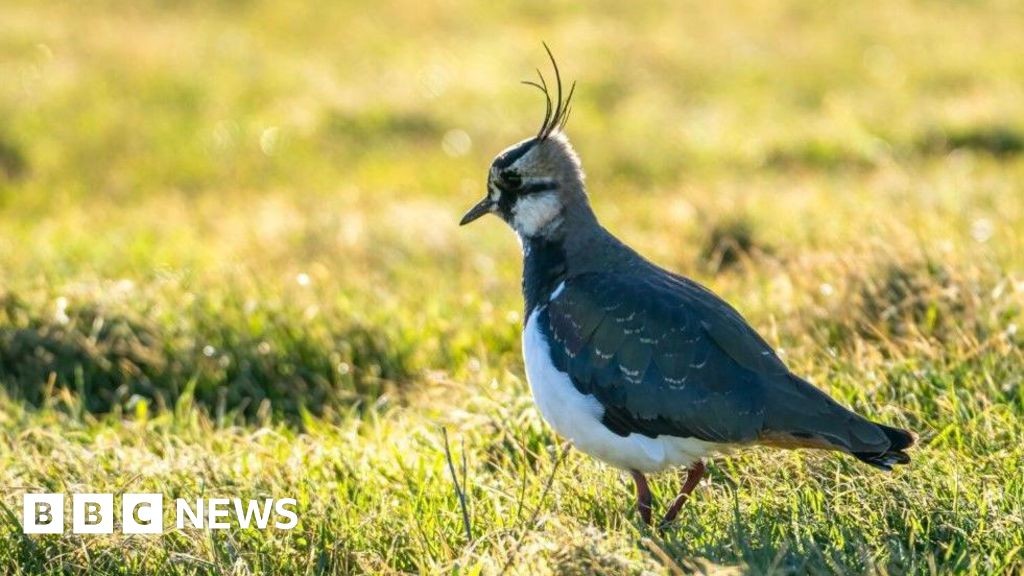
The resulting island, covering 0.55 hectares (1.4 acres) – roughly the size of a football pitch – provides refuge for species on the UK’s conservation red list, including dunlin, curlew, ringed plover, and lapwing. These birds face dwindling nesting and resting sites, making this initiative a potentially crucial lifeline.
“This is the ultimate act of marine recycling – transforming retired industrial vessels into a sanctuary for wildlife,” says Katy Gilchrist, coastal project manager for the National Trust. “We’re basically turning history into habitat, and as far as we know, no-one has attempted anything quite like this before.”
Why This Matters
The Blackwater Estuary, like many coastal regions, is experiencing increased erosion due to climate change. Traditional defenses, such as seawalls, can disrupt natural ecosystems. This “nature-based solution” offers a more sustainable and ecologically friendly alternative. The project demonstrates a forward-thinking approach to conservation, turning industrial waste into a valuable asset for wildlife.
Matt Wilson, countryside manager for the National Trust, emphasizes that the island will also provide a safe space for birds away from shoreline disturbance. The new habitat is designed to sit safely above the highest tides, ensuring a secure refuge for vulnerable species.
This project isn’t just about saving birds; it’s about adapting to a changing environment in a creative and effective way. The success of this initiative could inspire similar solutions in other vulnerable coastal areas, showcasing how human ingenuity can help restore and protect natural ecosystems.