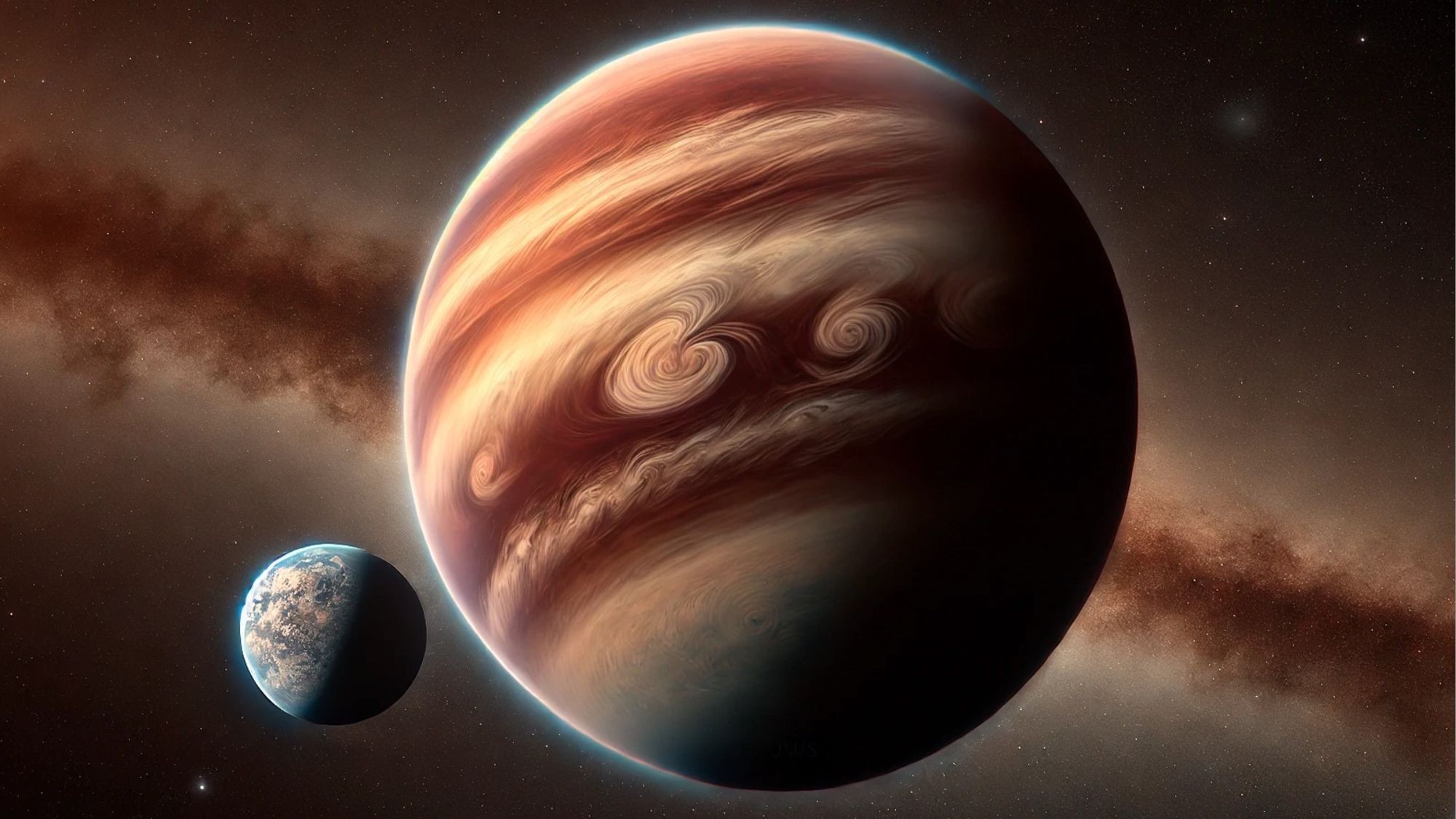
New research suggests life might thrive not around stars, but on moons orbiting free-floating “rogue” planets. These interstellar wanderers, ejected from their original star systems, could host habitable environments for billions of years, challenging our assumptions about where life can exist.
The Unexpected Habitability of Rogue Planets
For decades, the search for extraterrestrial life has focused on planets orbiting stars. But what if life could emerge and survive in the dark voids between galaxies? A recent study, published in Monthly Notices of the Royal Astronomical Society, indicates that moons orbiting rogue planets—planets that have been flung out of orbit and now drift through space alone—could maintain liquid water for up to 4.3 billion years, rivaling Earth’s own lifespan.
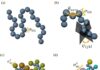
This isn’t just speculation. Computer simulations show that tidal heating, the gravitational squeezing and flexing of a moon by its planet, generates significant internal heat. This process is already known to drive volcanic activity on Jupiter’s moon Io and prevent subsurface oceans from freezing on Europa and Enceladus.
The Role of Atmosphere in Sustaining Life
The key to surface habitability lies in the moon’s atmosphere. Previous research suggested carbon dioxide could provide enough greenhouse warming, but the study cautions that CO2 can freeze and collapse in interstellar cold, allowing heat to escape.
However, hydrogen offers a more stable solution. Under high pressure, hydrogen molecules collide and absorb heat that would otherwise radiate into space, acting as an insulating blanket. This could keep liquid water oceans stable for billions of years.
Why This Matters: Expanding the Search for Life
The implications are profound. For years, astronomers have theorized about the existence of exomoons—moons orbiting planets outside our solar system—but confirming their existence has been difficult. Now, this research suggests that even if exomoons prove rare, they could be surprisingly habitable.
“The cradle of life does not necessarily require a sun,” states David Dahlbüdding, the study’s lead author.
This discovery significantly broadens the range of potential environments where life could emerge. Rogue planets are common byproducts of chaotic planetary systems; gravity can eject worlds into interstellar space, and many retain their moons during this violent process. This means that habitable environments might be far more widespread than previously thought, even in the darkest corners of the galaxy.
The search for life just got a lot bigger.