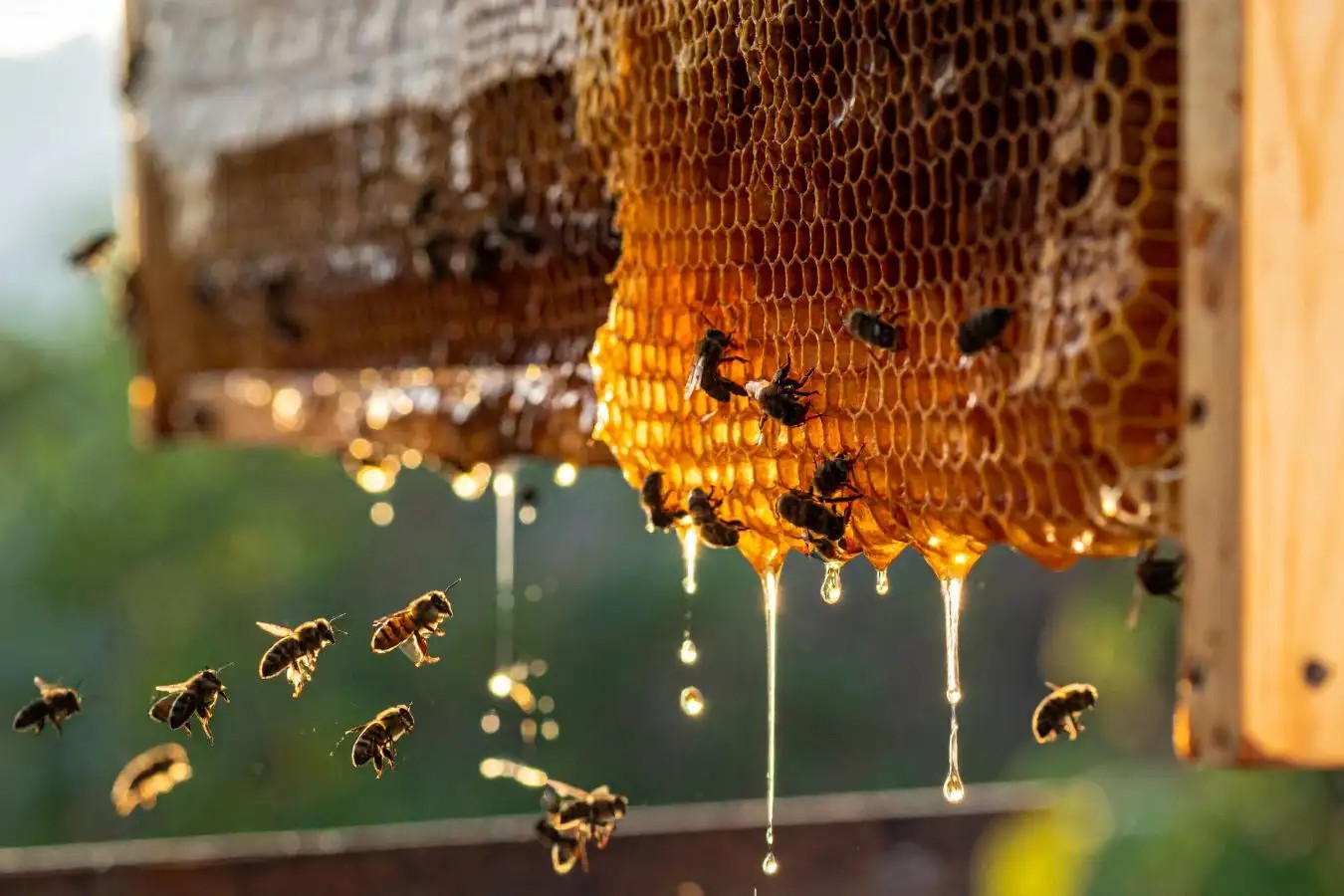
Honey has long been revered as a natural superfood, touted for everything from soothing sore throats to boosting immunity. But does this golden substance live up to its medicinal reputation, or is it simply a more flavorful form of sugar?
While honey is often marketed as a healthier alternative to refined white sugar, the reality is nuanced. Its health benefits depend heavily on its source, processing methods, and how it is used. Understanding these distinctions can help consumers make informed choices about whether honey deserves a place in their diet as a functional food or merely as a treat.
Not All Sugars Are Created Equal
At its core, honey is primarily composed of simple sugars—glucose and fructose—along with trace amounts of other sugars like trehalose and kojibiose. The primary argument for honey over refined sugar is that it is less processed and may have a lower impact on blood sugar levels. However, this is not universally true.
The key metric here is the glycaemic index (GI), which measures how quickly a food raises blood glucose levels. Refined white sugar has a consistent GI of around 65. Honey, by contrast, varies wildly:
- Sidr honey (from the Middle Eastern Sidr tree) has a low GI of just 32.
- Greek thyme honey can have a high GI of up to 85.
This variation stems from the ratio of glucose to fructose. Glucose spikes blood sugar rapidly, while fructose does not. Additionally, certain honeys contain phenolic acids and flavonoids that slow glucose absorption. These compounds also possess antioxidant properties, which may offer mild protection against oxidative stress-related conditions like heart disease and cancer.
Context: While honey contains antioxidants, the quantities are relatively small compared to those found in fruits and vegetables. For significant antioxidant benefits, whole plant foods remain the superior choice due to their lower sugar and calorie content.
Raw vs. Processed: What’s the Difference?
The method of production significantly impacts honey’s nutritional profile. Raw honey, typically sourced from local beekeepers, is harvested directly from the hive and only strained. This process preserves beneficial enzymes, phenolic acids, and flavonoids.
In contrast, mass-produced commercial honey is usually pasteurized to kill microbes and extend shelf life. While this ensures safety and consistency, it also destroys many of the beneficial antioxidants. Furthermore, the commercial honey market faces issues with adulteration:
* Some products are cut with cheap sugar syrups.
* Others labeled as “natural aphrodisiacs” have been found to contain tadalafil, the active ingredient in erectile dysfunction drugs.
A simple visual cue can help gauge quality: darker honeys generally contain higher levels of antioxidants and phenolic acids. A deep brown raw honey from local eucalyptus trees, for instance, likely offers more nutritional value and flavor complexity than a pale, mass-produced variety.
Debunking Myths: Hay Fever and Safety
Despite popular belief, local honey does not cure hay fever. The theory suggests that consuming honey containing local pollen desensitizes the immune system. However, hay fever is triggered by wind-pollinated plants, whereas bees collect pollen from insect-pollinated flowers. These are two different sets of allergens, making honey ineffective as an allergy treatment.
Safety is another critical consideration. Raw honey can contain spores of Clostridium botulinum, bacteria that produce a neurotoxin causing muscle paralysis. While this poses no risk to healthy adults, it is dangerous for infants under one year old, whose digestive systems cannot handle the bacteria. Consequently, honey should never be given to babies.
Proven Benefits: Coughs and Wounds
Where honey truly shines is in specific therapeutic applications. Scientific reviews indicate that honey is effective at alleviating coughs and sore throats, particularly in children. Its thick texture soothes the throat, while its natural antimicrobial properties help combat infection. Studies show it is often more effective than over-the-counter cough medicines and certainly better than doing nothing.
In medical settings, medical-grade Manuka honey is used for wound care. Produced by bees feeding on New Zealand and Australian manuka tea trees, this honey is sterilized via gamma radiation to eliminate harmful microbes while retaining high levels of methylglyoxal, a potent antimicrobial compound. It is approved for use in the UK, US, and Australia to prevent and treat wound infections.
A Word of Caution: “Mad Honey”
Not all honey is safe for consumption. Honey made from the nectar of rhododendrons, particularly species native to Nepal and Turkey, contains grayanotoxins that cause “mad honey disease.” Symptoms include dizziness, confusion, vomiting, and drunken-like behavior. Historically, this toxic honey was even used as a weapon; in 65 BC, Mithridates VI of Pontus reportedly fed it to Roman troops to incapacitate them before battle.
Conclusion
Honey is not a miracle cure, nor is it significantly healthier than refined sugar in terms of basic metabolic impact. However, it offers distinct advantages when chosen wisely: raw, dark varieties provide antioxidants and superior flavor, while specific types like Manuka honey offer proven medical benefits for wounds and respiratory symptoms.
Ultimately, honey should be viewed as a functional treat rather than a health supplement. It brings joy and minor health benefits, but it should be consumed in moderation, avoiding toxic varieties and keeping it away from infants.