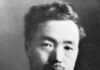
Born in Rome on November 24, 1906, Andreina Pagnani carved out a career defined by grit, versatility, and an uncanny ability to inhabit melancholic souls. She died just two days before her 75th birthday in 1981. Her story is not one of accidental fame. It was built on a foundation of working-class roots and sheer talent.
Her mother worked as a seamstress for the theatre. That proximity to the stage likely planted the seed. But the real breakthrough came in 1928. Pagnani won an amateur acting contest in Bologna. It was a small moment with massive ripple effects. The win opened doors. Suddenly, she wasn’t just an aspiring performer. She became a prima donna.
From Stage Darkness to Light Comedy
Pagnani didn’t stick to one lane. While she specialized in dramatic roles, her repertoire was eclectic. She proved she could handle heavy emotional weight one day and light comedy the next.
She achieved fame in productions that demanded nuance. Consider Moglie saggia (“Wise Wife”). Or La donna d’altri (“The Woman of Others”). She also starred in La vita è bella (“Life Is Beautiful”) and Famiglie reali (The Royal Family ) by George S. Kaufman and Edna Ferber. These roles showcased her range. She could play temperamental types with devastating accuracy. She could also navigate musical comedy with equal deftness.
During the 1930s and ’40s, she moved between theatre companies frequently. She worked with prominent directors who recognized her utility. She wasn’t just a pretty face on stage. She was a worker. An artist who showed up ready to dissect a character’s psyche.
Television and the Maigret Connection
The shift to television in the 1950s and ’60s didn’t slow her down. She appeared in Un mese in campagna (“A Month in the Country”). She tackled Jean Anouilh’s Léocadia. But her most enduring pop culture impact came in the late ’60s.
She achieved great personal success in the series Commissario Maigret (“Commissioner Maigret”).
“She played Mrs. Maigret with humanity and charm.”
Opposite Gino Cervi’s lead, Pagnani didn’t just support the detective. She grounded him. Her Mrs. Maigret was warm. Human. A counterweight to the mystery surrounding her husband. This role remains a key reference point for fans of Italian classic television series.
Cinema History
While theatre was her primary home, cinema called her early and often. She appeared in motion pictures from the silent era onward.
Her filmography includes:
* Mese Mariano (1928; “Marian Month”)
* Acqua cheta (1933; “Still Water”)
* L’orizzonte dipinto (1941; “The Painted Horizon”)
* I miserabili (1947; Les Miserables )
* Le infedeli (