It didn’t stop.
NASA caught a signal in August 2025. Standard solar fare. The Sun burps, magnetic fields scramble electrons, you get a radio burst. Usually it lasts hours. Maybe a day if it’s generous. Five days is a long haul. The old record holder barely scraped that milestone.
This one lasted nineteen days.
Nineteen straight days of static from the sky. It’s a new high score. A weird anomaly that broke the meter.
Helmet Streamers and Electron Clouds
Classified as a Type IV burst. That’s the label for clouds of electrons getting trapped inside giant magnetic bubbles wrapping the Sun. The radio waves themselves? Harmless. You won’t catch radiation poisoning from listening to them. But the conditions that create them often birth nasty solar storms. Those storms break satellites.
Scientists want to know why this one wouldn’t die.
To understand space weather, you have to map where these trapped electrons sit.
So they pulled every trick they had. NASA’s STEREO fleet, the Parker Solar Probe diving dangerously close, the Wind spacecraft hanging out at L1. They added ESA’s Solar Orbiter to the mix. A joint effort across the inner system.
As the Sun spun, the burst rotated into different fields of view. Each ship saw it for a few days. They stitched it all together. A single timeline. No gaps.
Where Did It Come From?
STEREO provided the missing piece. New tracking methods let researchers pinpoint the origin. A helmet streamer.
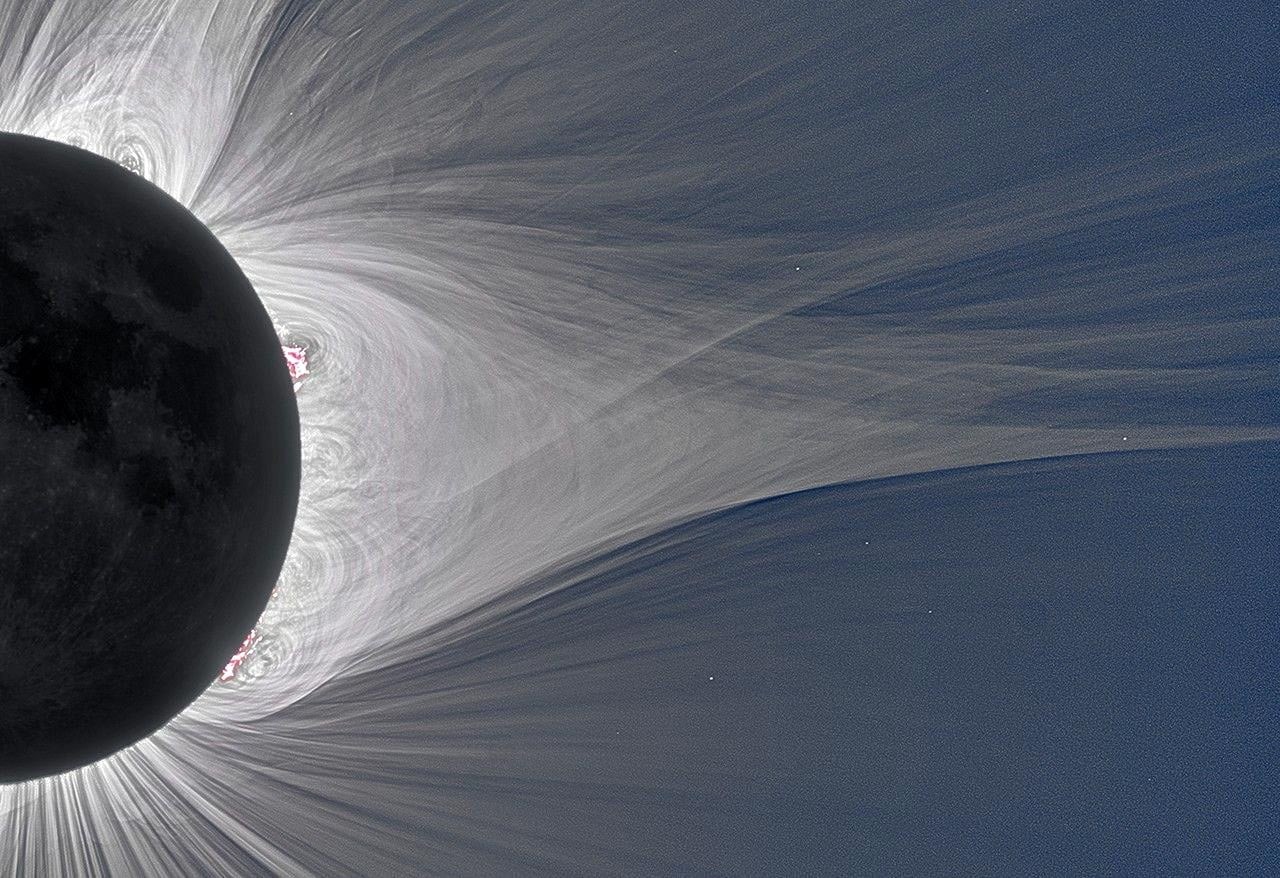
If you look at the Sun with coronagraphs, those long plumes sticking straight up look like a queen’s crown. A magnetic cage. That’s where this electron party started.
What kept it going for three weeks?
Theory says three coronal mass ejections erupted from that same spot. Big explosions. Plasma blasts. Magnetic energy shoved into space. Instead of dissipating, the ejecta likely refilled the bucket. Again and again.
It makes sense. Why would you expect one explosion to hold the record for duration?
Better Forecasts?
The paper landed in The Astrophysical Journal Letters on May 14, 2026. A group led by Vratislav Krupár signed it. The implication is simple.
We need to spot these long events sooner. Recognize them as distinct from the short-lived flickers. If we can predict how these electron reservoirs form and fill, we get better space weather alerts. Better warnings for the hardware we’ve sent orbiting Earth.
Or maybe it just means the Sun has some new tricks left in its sleeve. We haven’t seen the worst of it. Probably not.
What else is hiding in that noise?
- Type IV radio burst: Linked to trapped electron clouds in large magnetic structures.
- Helmet streamer: A magnetic feature in the solar atmosphere that can trap particles.
- Coronal Mass Ejections (CMEs): Massive explosions blasting plasma into space, potentially sustaining radio emissions.
- Space Weather: Conditions in the space environment that can affect technology on Earth and in orbit.